All-on-4® is a modern implant treatment designed to replace an entire arch of teeth using a streamlined approach. Rather than placing an implant for every missing tooth, this method uses four strategically positioned implants to support a full prosthetic arch. The result is a stable, natural-looking set of teeth that restores chewing function and facial support while minimizing the number of surgical sites.
Because the implants are placed and angled to maximize support in stronger areas of the jaw, many patients avoid the need for complex bone grafting that can lengthen treatment. That practical design means fewer procedures overall and a shorter, more predictable timeline from consultation to provisional restoration. For many people, All-on-4® turns the prospect of full-arch rehabilitation from a multi-stage process into a coordinated, patient-centered treatment.
While the technique is sophisticated, the goal is straightforward: provide a durable, comfortable solution that looks and feels like natural teeth. The emphasis is on long-term function and appearance, and on using contemporary imaging, prosthetic planning, and surgical techniques to deliver consistent outcomes with patient comfort in mind.
The All-on-4® concept blends surgical precision with prosthetic planning. Treatment begins with a comprehensive evaluation — clinical exam, digital imaging, and careful discussion of health history and goals. Using this information, clinicians plan implant positions that offer the best combination of support and esthetics for the prosthetic arch. Two implants are typically placed near the front of the jaw and two toward the rear, with the posterior implants angled to increase bone contact.
Angling posterior implants reduces the need for bone grafts by relying on available bone at a slant that still provides excellent mechanical support. This angulation, together with precise placement guided by imaging and surgical templates, allows the provisional bridge to be attached the same day as surgery in many cases. A temporary prosthesis restores appearance and basic chewing function while the implants integrate with the bone.
Once healing is complete and the implants have stabilized, a final prosthetic arch — crafted to exacting esthetic and functional standards — replaces the temporary restoration. This final prosthesis is designed for durability, ease of hygiene, and a natural smile line, balancing strength with a lifelike appearance so patients can eat, speak, and smile with confidence.
All-on-4® is well suited to people who are missing most or all teeth in one or both arches, or to those whose remaining teeth are failing and not good candidates for restoration. The treatment can be an excellent option for patients seeking a fixed, non-removable alternative to traditional dentures. It helps restore the bite and facial height that are often lost with tooth loss, which can have a notable impact on appearance and comfort.
Good candidates are evaluated on overall health, bone availability, and realistic expectations for treatment and maintenance. Factors such as controlled chronic conditions, smoking status, and oral hygiene habits are considered during planning, since they can affect healing and long-term success. During the consultation, the care team will explain candidacy, alternative approaches, and what to expect at each stage so patients can make informed decisions.
Even when laser-focused technical planning is required, the primary consideration is always patient-centered: improving quality of life through predictable, long-lasting function and esthetics. The practice combines diagnostic tools and clinical experience to tailor All-on-4® solutions to each patient’s anatomy and lifestyle.
Treatment day is carefully coordinated so patients move through evaluation, surgery, and provisional restoration in a calm, organized way. The surgical phase typically involves placing the four implants under local anesthesia, with sedation options available for patient comfort. The provisional prosthesis is then attached to the implants, restoring the appearance of a full arch immediately after the procedure.
Early recovery focuses on soft-tissue healing and integration of the implants with the jawbone. During this phase, patients often follow a temporary diet and specific oral-care instructions to protect the implants and provisional bridge. Regular follow-up visits allow the clinical team to monitor healing and make any necessary adjustments to the temporary prosthesis while osseointegration progresses.
After a period of healing, the provisional restoration is replaced with a precisely engineered final prosthesis. That transition is the result of careful prosthetic planning — shaping, color-matching, and mechanical design all come together to create a comfortable, long-lasting arch that suits each patient’s facial features and functional needs.
All-on-4® restorations are designed for long-term service, but like natural teeth they require routine care and professional oversight. Regular dental checkups, meticulous home hygiene, and periodic maintenance visits help preserve the health of the implants and surrounding tissues. The prosthesis itself may require occasional refinements to maintain optimal fit and function over time.
Success depends on a partnership between the patient and the dental team: clear post-operative instructions, adherence to follow-up care, and attention to oral hygiene all support lasting results. The practice emphasizes preventive strategies and patient education so that restorations remain stable and the supporting tissues healthy for years to come.
If you are exploring full-arch solutions, a thorough consultation will clarify whether All-on-4® is the right fit for your needs. Our goal is to deliver predictable outcomes with an emphasis on comfort, esthetics, and function — helping patients regain the ability to enjoy food, conversation, and confident smiles.
1All-on-4 is a registered trademark of Nobel Biocare
For experienced implant care you can trust, consider reaching out to Wells Dentistry to discuss whether All-on-4® could be right for you. Contact us for more information and to schedule a consultation with our team.


All-on-4® is a full-arch implant solution that replaces an entire upper or lower set of teeth using four strategically placed dental implants to support a fixed prosthetic arch. The approach relies on placing two implants in the anterior jaw and two in the posterior, often angling the back implants to maximize engagement with available bone. This configuration provides a stable foundation for a prosthesis that restores chewing ability and facial support while minimizing the number of surgical sites.
Treatment integrates surgical and prosthetic planning so the implant positions are optimized for both function and esthetics. Advanced imaging and careful restorative design help the clinician create a provisional prosthesis that can often be attached the same day as implant placement. Over time the implants integrate with the jawbone and the provisional is replaced by a custom final prosthesis designed for long-term use.
Good candidates for All-on-4® include people who are missing most or all teeth in an arch or those whose remaining teeth are not suitable for restoration. Candidates are evaluated on overall health, oral hygiene habits, and the quality and quantity of jawbone in key areas used for implant support. The goal is to identify patients who will benefit from a fixed, non-removable restoration that improves function and facial contours.
Factors such as controlled chronic medical conditions, smoking status, and commitment to follow-up care are discussed during evaluation because they can influence healing and long-term outcomes. When bone volume is limited, the angulation of posterior implants often reduces the need for complex grafting, expanding candidacy for many patients. A thorough consultation and diagnostic imaging clarify whether All-on-4® is the most appropriate full-arch option for each individual.
Treatment planning begins with a comprehensive clinical exam and detailed digital imaging, typically including cone beam computed tomography (CBCT) to assess bone anatomy and important anatomical structures. This 3D imaging allows the clinical team to map ideal implant positions and angulations, identify areas of sufficient bone, and design surgical guides that improve precision. Digital impressions and prosthetic planning are combined with imaging to predict the final tooth position and to ensure a balanced bite and pleasing esthetic outcome.
Planning also involves a review of medical history, aesthetic goals, and functional needs, which guides choices about materials and prosthetic design. Surgical guides and computer-assisted planning increase predictability and help the team coordinate implant placement with immediate provisionalization when appropriate. Throughout planning, the focus remains on achieving a durable restoration that is both functional and natural in appearance.
On the day of surgery you can expect a coordinated process that includes a preoperative review, administration of local anesthesia with optional sedation, and placement of the four implants according to the surgical plan. The procedure is designed to be efficient and comfortable, and the clinical team monitors your comfort and vital signs throughout. When conditions allow, a provisional prosthesis is attached to the implants the same day, restoring the appearance of a full arch immediately after surgery.
Immediately after the procedure you will receive instructions on pain control, oral hygiene, and diet to support early healing. Follow-up visits are scheduled to monitor soft tissue recovery and to make adjustments to the temporary prosthesis as needed while the implants integrate. Clear communication and a calm, organized surgical day help patients feel supported throughout this phase of treatment.
Early recovery focuses on soft tissue healing and initial osseointegration of the implants, a process that typically spans a few weeks to several months depending on individual biology. During the early healing phase patients are usually advised to follow a soft or modified diet, avoid chewing directly on the implant-supported arch, and maintain gentle, meticulous oral hygiene to protect the surgical sites. Pain and swelling are generally managed with prescribed or recommended medications and cold-compress techniques.
Oral care recommendations include gentle rinsing, careful brushing around the prosthesis, and avoiding tobacco, which can impair healing. Regular follow-up appointments enable the team to monitor integration, clean around the implants, and make any necessary adjustments to the provisional restoration. As healing progresses, patients can gradually return to a more normal diet and hygiene routine under clinical guidance.
Once the implants have sufficiently integrated with the bone and soft tissues are stable, the provisional prosthesis is replaced by a final, custom-engineered prosthetic arch. This transition typically occurs after a healing period determined by clinical assessment, during which the team verifies stability, tissue health, and occlusion. The final restoration is crafted to precise esthetic and functional specifications, including tooth position, color matching, and material durability.
The transition involves careful adjustment to ensure a comfortable bite and optimal hygiene access, and may require one or more fine-tuning visits. The final prosthesis is designed for long-term service and ease of cleaning, and patients receive detailed home-care instructions and a maintenance schedule. This final phase completes the restorative sequence and restores full function and appearance for most daily activities.
Long-term success with an All-on-4® restoration depends on routine professional care and consistent at-home hygiene. Patients typically return for periodic maintenance visits that include clinical exams, professional cleaning around the implant fixtures, and assessment of prosthesis fit and occlusion. These visits allow the team to detect and address early signs of wear, tissue changes, or complications so the restoration remains healthy and functional.
Daily hygiene practices such as effective brushing, use of interdental devices recommended by the clinician, and rinsing as instructed support tissue health around implants. Lifestyle factors like smoking cessation and management of systemic conditions also contribute to implant longevity. The dental team provides individualized maintenance plans to help patients preserve their restorations for years to come.
All-on-4® offers a fixed, non-removable alternative to traditional removable dentures, providing improved stability, chewing efficiency, and facial support. Unlike removable dentures that rely on suction or adhesives, an All-on-4® prosthesis is anchored to implants and behaves more like natural teeth, which can enhance comfort and confidence in speaking and eating. Compared with placing an implant for every missing tooth, the All-on-4® protocol reduces the number of implants while still delivering a strong, full-arch solution.
Other full-arch implant approaches, such as All-on-6® or individually placed implants with multiple crowns, may be recommended in cases where bone volume, distribution, or patient preference suggest a different strategy. The choice among options depends on anatomical considerations, long-term goals, and the clinician's assessment. A thorough consultation helps patients compare the functional and maintenance implications of each approach to identify the best fit.
As with any surgical procedure, All-on-4® carries risks that include infection, implant failure, nerve irritation, and complications related to healing, particularly in patients with systemic health issues or compromised bone. Careful planning, sterile technique, and adherence to post-operative instructions reduce these risks, and clinicians monitor healing closely through follow-up visits. Early recognition and management of complications improve the likelihood of a favorable outcome.
Long-term considerations include wear of the prosthetic components, changes in surrounding tissues, and the occasional need for prosthetic repair or adjustments. Good oral hygiene, routine professional maintenance, and prompt attention to any unusual symptoms such as persistent pain or mobility help minimize long-term problems. The clinical team will explain risks during consultation and outline strategies to manage them proactively.
To explore whether All-on-4® is a suitable full-arch solution you should schedule a comprehensive consultation that includes a clinical exam, medical history review, and digital imaging to evaluate your individual anatomy and goals. During this visit the care team discusses treatment steps, expected timelines, and any preparatory needs so you can make an informed decision. The consultation is an opportunity to ask specific questions about function, esthetics, and long-term maintenance.
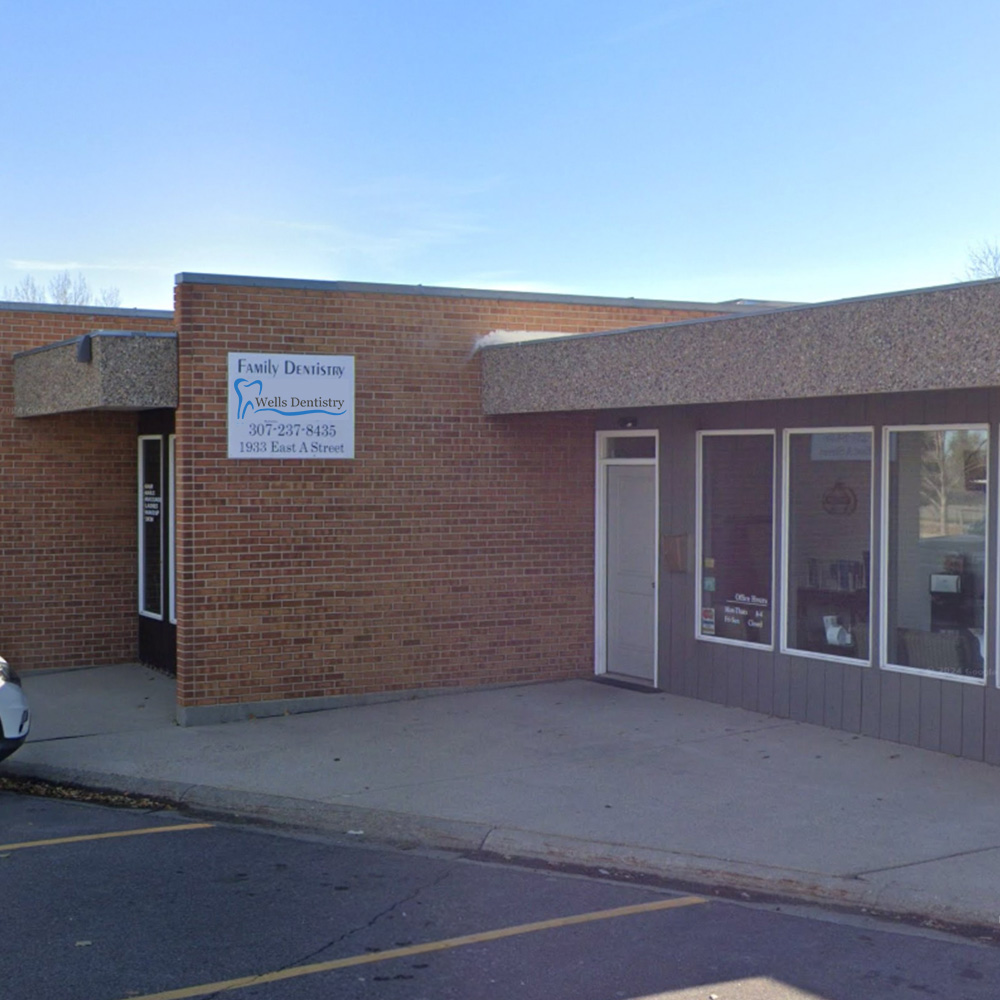
If you are in the Casper, WY area and would like to learn more, contact Wells Dentistry to arrange a consultation with the implant team. The office can coordinate diagnostic imaging and a personalized treatment plan tailored to your needs, and staff will guide you through the steps from evaluation to final restoration.
It's time for your check-up!
Scheduling your next visit or getting answers about our comprehensive dental services is simple when you contact Wells Dentistry. Our friendly administrative team is prepared to help you find the perfect appointment time, provide clarity on your treatment plan options, and efficiently manage any billing or insurance questions. We are ready to assist you by phone or via our quick online form. Contact us today and let us partner with you to maintain a healthy, beautiful smile for years to come.