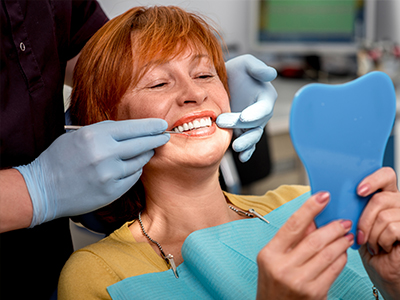
All-on-6® is a restorative approach designed to give patients a full, fixed arch of teeth supported by six dental implants. Unlike removable dentures that sit on the gums, an All-on-6® prosthesis is anchored to implants placed in the jaw, creating a stable foundation that behaves much like natural teeth. For many people, that translates into greater comfort, improved chewing ability, and more confidence when speaking or smiling in social situations.
The goal of this treatment is to recreate the function and appearance of natural dentition, so patients can enjoy a varied diet and engage in normal daily activities without worrying about slippage or adhesives. Because the prosthesis is fixed in place, routine care resembles the maintenance of natural teeth—regular brushing, flossing around attachments, and recurring dental checkups—rather than the nightly cleaning rituals required by traditional dentures.
Beyond the practical benefits, All-on-6® often has a positive psychological impact. Feeling secure in your restoration can reduce anxiety about public eating or talking and can make social interactions less stressful. The result is a more natural, confident quality of life for patients who have lost most or all of their teeth.
At the practice level, this solution is selected for patients who seek a durable, low-maintenance alternative to removable prosthetics and who want a long-term outcome that balances function and aesthetics.
The All-on-6® protocol centers on strategically placing six implants along the jawbone to support a full-arch prosthesis. These implants are positioned to distribute biting forces evenly and to maximize contact with healthy bone. Once the implants are in place, they undergo a natural healing process called osseointegration, where the bone grows around each implant and secures it firmly.
In many cases, patients receive a temporary prosthesis on the same day as implant placement, allowing them to leave the office with a functional set of teeth. This immediate restoration is designed to provide esthetics and basic function while the implants integrate over the following months. After integration is complete, a final, custom-crafted prosthesis is attached to the implants to optimize comfort, fit, and appearance.
Because the method uses six implants per arch, it provides enhanced stability and distribution of forces compared with solutions that rely on fewer implants. This configuration can be particularly advantageous for patients with diminished bone volume in certain areas because it affords the clinician more options for implant placement and angulation.
Throughout the process, the clinical team will monitor healing and make any necessary adjustments to the prosthesis so that the final restoration fits well and performs reliably for daily function.
One of the most immediate differences patients notice is the stability of an All-on-6® arch. Because the prosthesis is anchored to implants, it resists movement during chewing and speaking, eliminating the common frustrations associated with loose-fitting dentures. This stability enables patients to eat a wider range of foods with confidence and to speak without concern about slipping.
Another advantage is the way implant-supported restorations interact with the jaw over time. Implants help preserve bone by transmitting functional forces to the jawbone, which supports natural remodeling and helps maintain facial structure. In contrast, traditional dentures sit on the gums and can accelerate bone resorption in some patients, potentially leading to changes in fit and facial appearance.
Maintenance is also simpler in many respects. Rather than removing prosthetics for daily cleaning, patients follow an oral hygiene routine similar to that for natural teeth, supplemented by professional visits for monitoring and hygiene. This practical ease, combined with improved function and longevity, makes All-on-6® a compelling option for many candidates.
Finally, from an aesthetic standpoint, modern full-arch prostheses are designed to mimic natural teeth and soft tissue contours closely, allowing clinicians to create results that look balanced and lifelike.
The pathway to an All-on-6® restoration begins with a thorough evaluation that includes a clinical exam and imaging to assess jawbone quality, alignment, and overall oral health. The clinical team will discuss whether the All-on-6® approach is appropriate based on medical history, bone availability, and the patient’s functional and cosmetic goals.
Surgical placement of the implants is performed under appropriate anesthesia to ensure comfort. Many patients experience manageable postoperative soreness and swelling that subsides within days. Clinicians provide clear aftercare instructions to support healing and reduce the risk of complications. Regular follow-up visits allow the team to verify proper integration and respond to any concerns early in the process.
When immediate temporization is part of the plan, patients leave the surgical appointment with a provisional arch that restores appearance and basic function. After the implants fully integrate—typically over several months—the provisional is replaced with a final prosthesis that is carefully adjusted for fit, occlusion, and esthetics.
Long-term success depends on routine dental care, but with proper maintenance and periodic professional checkups, many patients experience reliable function and satisfaction for years to come.
Maintaining an All-on-6® restoration focuses on daily oral hygiene and regular professional oversight. Brushing twice a day and cleaning around implant abutments or beneath the prosthetic where recommended helps control plaque and reduce the risk of inflammation. Specialized brushes, interdental cleaners, and water irrigation devices can be helpful adjuncts to routine care.
Professional maintenance appointments are important for evaluating soft tissue health, checking implant stability, and polishing the prosthesis. These visits give the dental team a chance to identify wear patterns or changes in oral health early, so small adjustments can prevent larger issues later. Ongoing monitoring also reinforces long-term oral health habits that support implant success.
Patients should also be mindful of lifestyle factors that affect healing and long-term outcomes. Avoiding tobacco and following a nutritious diet support tissue health, while protective measures—such as night guards for patients who clench or grind—can protect the restoration from excessive forces. Open communication with the clinical team ensures personalized recommendations that suit each patient’s needs.
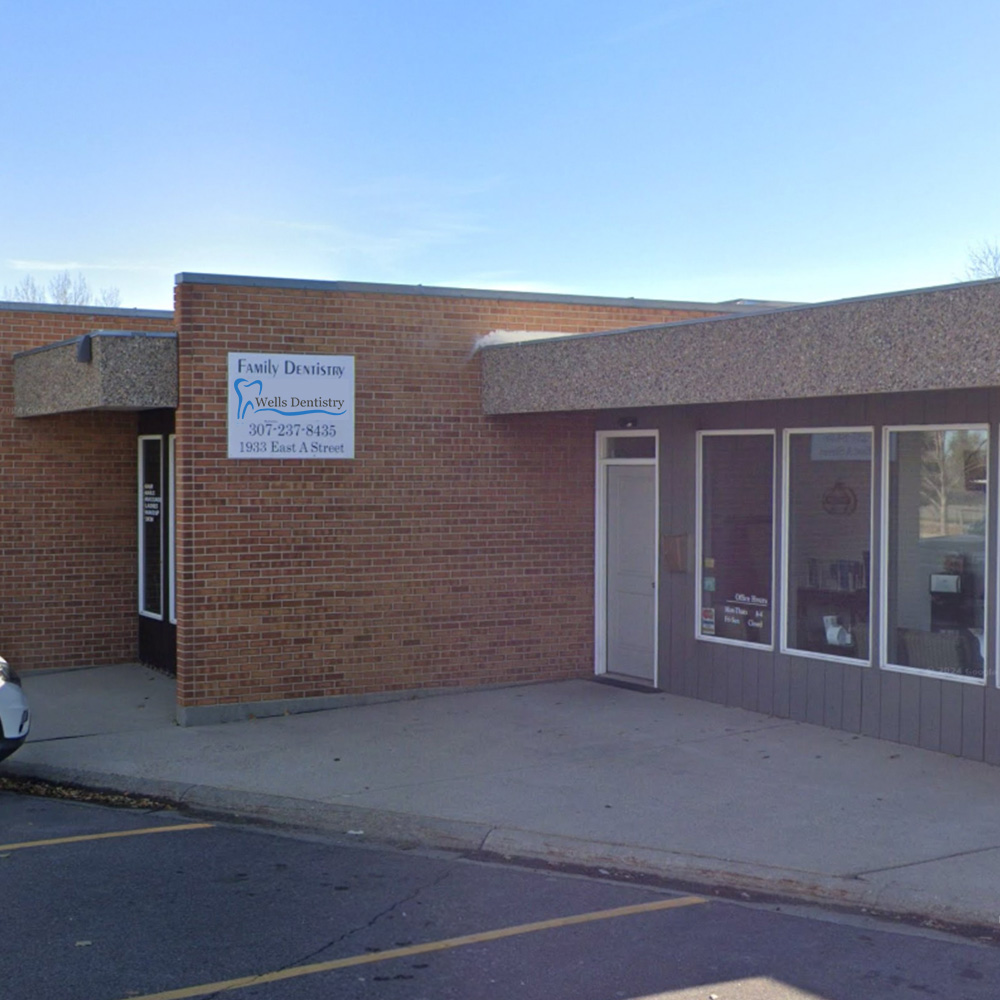
Wells Dentistry approaches All-on-6® with an emphasis on personalized planning, predictable surgical technique, and attentive follow-up care. If you’d like to learn more about whether All-on-6® could be the right solution for your situation, please contact us for more information.


All-on-6® is a full-arch restoration that uses six dental implants to support a fixed prosthesis instead of removable dentures. The six implants are strategically placed to distribute biting forces and provide a stable foundation that behaves similarly to natural teeth. Unlike single-tooth implants or fewer-implant anchored arches, All-on-6® emphasizes increased support and positional options for the restorative team.
This approach often allows for better force distribution across the jaw and more opportunities to engage available bone. In many cases it reduces the need for extensive cantilevering or extreme angulation of implants. The end result is a durable, fixed arch designed to restore chewing function, speech, and smile appearance.
Good candidates typically include adults who have lost most or all teeth in an arch or who have failing dentition that cannot be predictably restored with conventional methods. A candidate should have adequate overall health for oral surgery and realistic expectations about the treatment sequence and maintenance needs. Comprehensive evaluation of medical history, oral health, and bone volume is essential to determine suitability.
Some patients with moderate bone loss may still qualify because the six-implant configuration provides greater flexibility in placement. Others may require preparatory treatments such as extractions or bone grafting to create a stable foundation. The clinical team will review alternatives and personalized recommendations during the consultation visit.
The treatment begins with a thorough clinical exam and imaging to evaluate bone structure, soft tissues, and occlusion. Surgical placement of six implants follows a carefully planned protocol, often using guided techniques to optimize implant positions for long-term support. When appropriate, a provisional prosthesis can be attached the same day to restore appearance and basic function during healing.
Over the subsequent months the implants undergo osseointegration, a biological process where bone bonds to the implant surfaces. Once integration is confirmed, the provisional is replaced with a custom-fabricated final prosthesis that is adjusted for comfort, esthetics, and bite. Periodic follow-up visits help ensure the restoration is functioning as expected and allow for any minor refinements.
Initial recovery from implant surgery typically involves a few days to a week of soreness, swelling, and mild bruising that respond to prescribed or recommended care. Most patients are able to resume light activities within a couple of days, while strenuous exercise should be postponed until healing progresses according to your clinician's guidance. Pain control, oral hygiene, and adherence to dietary recommendations are important in the first weeks.
Osseointegration requires several months to complete, and during that time the provisional prosthesis provides function while protecting the surgical sites. Follow-up appointments are scheduled to monitor healing, make adjustments to the temporary restoration if needed, and confirm implant stability. Once integration is confirmed, the final prosthesis is delivered and the long-term maintenance phase begins.
Caring for an All-on-6® restoration combines elements of natural-tooth hygiene and prosthetic maintenance; daily brushing and cleaning around abutments remain essential. Patients often use specialized brushes, interdental cleaners, and water irrigation devices to clean beneath and around the fixed prosthesis where plaque can accumulate. Regular at-home care reduces the risk of peri-implant inflammation and helps preserve soft tissue health.
Professional maintenance visits are equally important and typically occur at regular intervals determined by the clinician. During these visits the team evaluates soft tissue condition, checks implant stability, and performs professional cleaning and prosthesis inspection. Proactive monitoring allows early detection of wear or tissue changes and supports long-term success.
Bone quality and quantity are key factors in implant planning because implants require sufficient bone for stability and long-term support. In many cases the six-implant design provides more placement options that can engage available bone even when some areas are compromised. However, when bone volume is insufficient in critical zones, bone grafting or augmentation procedures may be recommended to create a predictable foundation.
Grafting techniques vary and may include autogenous grafts, allografts, xenografts, or synthetic materials depending on clinical needs. Your surgical team will discuss the most appropriate approach, expected healing timeline, and how grafting affects the overall treatment plan. Properly planned augmentation can significantly improve implant prognosis and prosthesis longevity.
With attentive oral hygiene, regular professional care, and avoidance of harmful habits, many implant-supported restorations can function reliably for many years. The implants themselves are designed for long-term integration with bone, while the prosthetic teeth may require periodic maintenance, adjustments, or component replacement over time. Wear of prosthetic materials is normal and can typically be managed conservatively with repairs or replacement of teeth rather than the entire framework.
If a component such as a screw, attachment, or tooth becomes loose or damaged, clinicians can often resolve the issue chairside or in the dental lab. Routine checkups give the team the opportunity to identify stress patterns or occlusal concerns early and intervene before more significant problems develop. Maintaining a partnership with your dental team helps protect the investment in your oral function and smile.
As with any surgical procedure, All-on-6® carries potential risks including infection, delayed healing, implant failure, nerve irritation, or sinus involvement depending on anatomical factors. Careful preoperative assessment, precise surgical technique, and diligent postoperative care reduce the likelihood of complications. Patients with certain systemic conditions or habits such as uncontrolled diabetes or tobacco use may face increased risk and should discuss mitigation strategies with the clinical team.
Most complications can be managed successfully when identified early, which is why follow-up appointments and open communication are important. If symptoms such as persistent pain, swelling, or changes in bite occur, patients should contact their dental provider promptly. Proactive management preserves implant health and supports favorable long-term outcomes.
All-on-6® provides a fixed, stable restoration that eliminates many of the functional limitations associated with removable dentures, such as slippage, adhesive use, and restricted diet. Because the prosthesis is anchored to implants, patients commonly experience improved chewing efficiency, clearer speech, and greater confidence in social situations. Additionally, implants help transmit functional forces to the jawbone, which supports bone preservation and facial structure over time.
Removable dentures remain a valid option for some patients, but they typically require different maintenance routines and may need periodic relining as bone remodels. Choosing between a removable solution and an implant-supported fixed arch depends on clinical findings, patient goals, and overall health. Your care team will outline the trade-offs so you can make an informed decision tailored to your situation.
To determine candidacy, schedule a consultation where the clinician will perform a clinical exam, review medical history, and obtain diagnostic imaging to assess bone and soft tissue conditions. Bring a list of current medications, any relevant medical records, and information about prior dental work or implants if available. Being prepared helps the team develop a comprehensive, personalized plan that aligns with your functional and esthetic goals.
During the visit expect a discussion about the treatment sequence, expected timelines, and postoperative care, along with answers to your questions about daily function and maintenance. If you would like a local opinion, Wells Dentistry offers consultations with detailed planning and imaging support to explore whether All-on-6® fits your needs. The team will provide clear guidance about next steps based on your individual clinical picture.
It's time for your check-up!
Scheduling your next visit or getting answers about our comprehensive dental services is simple when you contact Wells Dentistry. Our friendly administrative team is prepared to help you find the perfect appointment time, provide clarity on your treatment plan options, and efficiently manage any billing or insurance questions. We are ready to assist you by phone or via our quick online form. Contact us today and let us partner with you to maintain a healthy, beautiful smile for years to come.