At Wells Dentistry, we believe a strong, natural-looking restoration should protect your oral health and preserve the smile you want to show the world. Ceramic crowns are a modern solution that combine advanced materials with precise technique to rebuild teeth that are heavily damaged, worn, or cosmetically compromised. When designed and placed thoughtfully, they restore function without calling attention to themselves.
Teeth face a surprising amount of force over a lifetime. Even enamel — the hardest substance in the body — can be compromised by deep decay, accidental fractures, or long-term habits like clenching and grinding. In many of these cases, a simple filling no longer provides the support a tooth needs; a full-coverage crown becomes the better option to protect the remaining structure and prevent further problems.
Thanks to improvements in dental ceramics and digital workflows, crowns today can be both resilient and lifelike. Our approach focuses on selecting the material and design that meet your functional needs while blending seamlessly with the rest of your smile. Comfort, durability, and aesthetics guide every restorative decision we make for our patients.
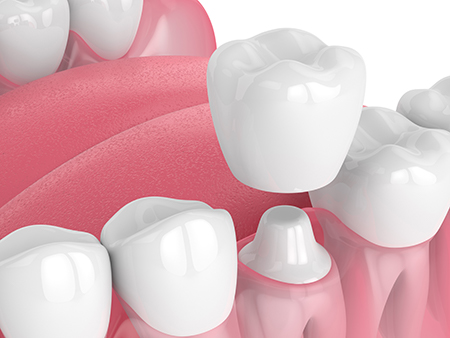
A crown is a cap that covers a tooth from the chewing surface down to the gumline, restoring shape, strength, and appearance. Dentists commonly recommend crowns when a tooth has lost too much structure to hold a filling securely, when it’s fractured, or when it needs protection after endodontic (root canal) therapy. Crowns also serve as the visible portion of implant restorations and as anchors for fixed bridges.
Beyond structural repair, crowns are frequently chosen for aesthetic reasons. A tooth that is discolored, misshapen, or worn can be transformed with a ceramic restoration that respects the natural contours and color of the surrounding teeth. The decision to place a crown is based on a combination of clinical need and the patient’s goals for appearance and function.
Your dentist will evaluate factors such as the amount of remaining tooth, the location of the tooth in the mouth, bite forces, and your overall oral health. With that information, they’ll recommend whether a crown is the most predictable, long‑term solution and discuss the type of ceramic that will best meet both functional and aesthetic needs.
Repairing teeth with extensive decay or structural loss
Replacing a large or broken dental filling
Restoring the visible portion of a dental implant
Supporting the abutments of a dental bridge
Protecting teeth after root canal treatment
Enhancing the look of a discolored, small, or misshapen tooth
Addressing bite problems or rebuilding worn teeth

All-ceramic crowns offer a combination of appearance and biocompatibility that few other materials can match. Because ceramics interact with light similarly to natural tooth enamel, they produce depth, translucency, and surface sheen that make restorations difficult to distinguish from adjacent teeth. This optical quality is especially important for front teeth and any smile-enhancement work.
Modern ceramics are also kinder to soft tissues and often more suitable for patients with sensitivities to metal. Without a metal substructure, there’s no risk of a dark line at the gum margin — a common aesthetic concern with older metal‑based crowns. Additionally, many ceramic systems are highly resistant to staining, maintaining their appearance over time when cared for properly.
Strength has historically been the trade-off for aesthetics, but contemporary ceramic materials have narrowed that gap. Advances in material science mean that many all‑ceramic crowns can withstand normal chewing forces while preserving a thin, conservative profile that requires less removal of healthy tooth structure.
Natural translucency and lifelike appearance
Metal-free composition for improved soft-tissue response
Conservative preparations with thinner restorations possible
Excellent resistance to staining and discoloration
Suitable for patients with metal sensitivities
Not all ceramics are created equal, and the best choice depends on where the tooth sits and the forces it must endure. For front teeth, translucency and subtle color blending are primary concerns; for molars, strength and fracture resistance take precedence. Your dentist will balance these needs when recommending a material.
Popular contemporary options include lithium disilicate, known for its attractive translucency and good strength; leucite-reinforced ceramics, which offer excellent aesthetic characteristics for veneers and crowns; and various forms of zirconia, which provide exceptional toughness for posterior restorations. High-translucent zirconia can bridge the gap between strength and appearance in many clinical situations.
In addition to material selection, the method of fabrication matters. Crowns can be milled in-office with CAD/CAM systems for same-day solutions or made by dental laboratories that layer porcelain for custom shading and character. We evaluate each case individually to determine the best combination of material and fabrication technique to meet your expectations.
Lithium disilicate porcelain crowns
Leucite-reinforced pressable porcelain crowns
Solid or monolithic zirconia crowns
High-translucent zirconia options

The crown process typically begins with a comprehensive evaluation and detailed treatment planning. Digital X-rays and either intraoral scans or impressions help us assess the tooth and surrounding structures. When a crown is indicated, we discuss the preparation required, the material options, and the expected timeline so you know what to expect.
Tooth preparation involves shaping the remaining tooth to allow space for the crown while retaining as much healthy structure as possible. Depending on the plan, a temporary restoration may be placed while a laboratory creates the final crown, or the restoration may be milled and seated the same day with in-office CAD/CAM systems. Final placement includes precise adjustments to your bite and a secure cementation or bonding procedure.
After placement, ceramic crowns require routine care similar to natural teeth: daily brushing, flossing, and regular dental checkups. Avoiding excessively hard or sticky foods and wearing a night guard if you grind your teeth can extend the life of the restoration. We’ll provide specific after-care guidance tailored to your needs and monitor the crown during follow-up visits.
Our team blends technical skill with an eye for detail so that restorations are durable and discreet. We prioritize conservative dentistry — preserving tooth structure whenever feasible — and use contemporary materials and digital tools to improve fit, function, and aesthetics. This careful approach reduces the likelihood of future complications and helps ensure predictable results.
Communication is a key part of our process. We take time to explain the pros and cons of material choices, demonstrate expected outcomes, and involve you in decisions about your care. That collaborative planning helps us align treatment with your priorities for comfort, function, and appearance.
With a focus on patient comfort and lasting results, Wells Dentistry combines modern techniques with thoughtful planning so your crown looks natural and performs reliably. Our goal is to restore teeth in a way that supports long-term oral health and lets you smile with confidence.
In summary, ceramic crowns offer a versatile, attractive solution for teeth that need full‑coverage protection or cosmetic improvement. If you’d like to learn more about whether a ceramic crown is right for you, please contact us for additional information or to schedule a consultation.


A ceramic crown is a custom-made cap that covers a damaged or weakened tooth to restore its shape, strength and appearance. These restorations are fabricated from tooth-colored ceramic materials that mimic the translucency and surface sheen of natural enamel. Ceramic crowns are designed to blend with adjacent teeth so the restoration is visually discreet.
Crowns protect the remaining tooth structure by distributing biting forces and preventing further fracture or decay. They can be used to repair teeth with large fillings, significant wear, or after root canal therapy. Because ceramics are metal-free, many patients appreciate their aesthetic and biocompatible qualities.
A ceramic crown is typically recommended when a tooth has lost too much structure to reliably hold a filling or when a fracture compromises the tooth’s long-term stability. Large restorations, deep decay that extends under the cusp tips, and teeth that have undergone root canal treatment often need full-coverage protection. The goal is to preserve what remains of the natural tooth while restoring function and preventing further damage.
Your dentist will evaluate the amount of healthy tooth left, the location of the tooth, and how much force it must withstand when deciding between a filling and a crown. Crowns provide more predictable reinforcement for teeth exposed to high occlusal loads or extensive structural loss. This decision balances longevity, aesthetics and conservation of tooth structure.
Common ceramic materials include lithium disilicate, leucite-reinforced porcelain and various types of zirconia, each offering different strengths and optical properties. Lithium disilicate is valued for its pleasing translucency and good strength for anterior restorations, while leucite-reinforced ceramics excel at achieving highly aesthetic results. Zirconia provides superior toughness and is often chosen for posterior teeth where durability is a priority.
High-translucent zirconia options have narrowed the aesthetic gap between strength-focused and appearance-focused materials, allowing for lifelike posterior restorations in many cases. Your dentist will recommend the best material based on the tooth’s location, your bite, and your cosmetic goals. Fabrication technique—such as in-office CAD/CAM milling versus laboratory layering—also influences the final look and fit.
Crown placement begins with a comprehensive evaluation that may include digital X-rays and intraoral scans or impressions to assess the tooth and surrounding structures. The tooth is prepared by removing a small amount of enamel to create space for the restoration, and the clinician will take digital scans or impressions to guide the fabrication of the crown. Depending on the workflow, a temporary crown may be placed while a laboratory fabricates the final restoration or the crown may be milled and seated the same day with CAD/CAM technology.
Final placement involves fitting, adjusting the bite and permanently cementing or bonding the crown to the prepared tooth. The entire process can range from a single visit (for same-day milling) to two or more visits when laboratory customization is used for advanced shading and characterization. Postplacement care instructions and a follow-up evaluation ensure the restoration is comfortable and functioning properly.
Caring for a ceramic crown is much like caring for natural teeth: brush twice daily with a fluoride toothpaste and clean between teeth daily using floss or interdental cleaners. Maintaining regular dental checkups and professional cleanings allows the dentist to monitor the crown and surrounding gum tissue for any signs of wear, leakage or gum inflammation. Avoiding excessively hard or sticky foods and using protective measures such as a nightguard when you grind your teeth can reduce the risk of chipping or fracture.
If you notice sensitivity, looseness, or a change in bite after crown placement, contact your dental office for an evaluation. Early attention to minor issues can often prevent more significant problems later. With proper oral hygiene and routine dental care, many ceramic crowns provide reliable function for years.
Yes, ceramic crowns are commonly used as the visible restoration for single-tooth dental implants and as the units that form fixed bridges. On implants, the crown is attached to an abutment that connects to the implant fixture, restoring both the appearance and chewing function of the missing tooth. For bridges, crowns on the abutment teeth support one or more pontics to replace adjacent missing teeth and reestablish proper occlusion.
Material selection and engineering are important when ceramic crowns are used in implant or bridge work to ensure proper strength and fit. Zirconia and other high-strength ceramics are frequently chosen for posterior implant crowns and bridge frameworks because of their toughness. Your dentist will review the specific clinical considerations and recommend the most appropriate ceramic system for these restorative solutions.
Ceramic crowns are metal-free and are often a good option for patients with metal sensitivities or allergies because they eliminate the risk of metal-related soft-tissue reactions. The absence of a metal substructure also prevents a dark line at the gum margin, which can be an aesthetic concern with older porcelain-fused-to-metal restorations. Ceramics are generally biocompatible and well tolerated by the surrounding gum tissue.
Your dentist will review your medical and dental history and, if necessary, recommend materials with excellent tissue compatibility. For patients with a documented sensitivity, choosing an all-ceramic system can improve comfort and reduce potential irritation. Ongoing monitoring during regular visits ensures that the tissues remain healthy around the restoration.
Bruxism (grinding and clenching) places additional stress on any dental restoration and can increase the risk of chipping or fracture, including for ceramic crowns. Some ceramic materials are more fracture-resistant than others, so selecting a stronger ceramic—such as certain formulations of zirconia—can reduce the risk of damage in patients who exhibit heavy wear. In many cases, the dentist will recommend protective measures in addition to material selection to safeguard the restoration.
Custom nightguards or occlusal splints are commonly prescribed to protect crowns and natural teeth from the forces of bruxism. Adjustments to the bite and careful occlusal design during crown fabrication can also help distribute forces more evenly. With a combination of appropriate material choice and protective strategies, ceramic crowns can function successfully for patients who grind their teeth.
All-ceramic crowns reproduce the light transmission and surface texture of natural enamel, providing depth, translucency and color matching that make restorations difficult to distinguish from adjacent teeth. These optical qualities are especially valuable for front teeth and any restoration in the smile zone where subtle shading and characterization matter. Ceramic systems allow skilled dental technicians to layer and stain restorations for a lifelike appearance.
Because ceramics do not require an underlying metal framework, there is no risk of a dark margin at the gumline, and high-quality ceramics resist staining over time when properly maintained. The combination of conservative preparation techniques and modern ceramic materials enables attractive, natural-looking outcomes while preserving as much healthy tooth structure as possible.
The practice emphasizes conservative, evidence-based restorative dentistry and uses contemporary materials and digital workflows to achieve predictable results. Clinicians focus on thorough evaluation, thoughtful material selection and precise fabrication techniques to ensure crowns fit well, function correctly and look natural. Patient communication and individualized treatment planning are used to align restorative decisions with each person’s needs and aesthetic goals.
Wells Dentistry combines clinical expertise with modern technology to deliver durable, discreet ceramic restorations while prioritizing patient comfort and long-term oral health. If you have more questions about ceramic crowns or want to discuss whether they are the right option for you, contact the practice to schedule a consultation and personalized evaluation.

It's time for your check-up!
Scheduling your next visit or getting answers about our comprehensive dental services is simple when you contact Wells Dentistry. Our friendly administrative team is prepared to help you find the perfect appointment time, provide clarity on your treatment plan options, and efficiently manage any billing or insurance questions. We are ready to assist you by phone or via our quick online form. Contact us today and let us partner with you to maintain a healthy, beautiful smile for years to come.