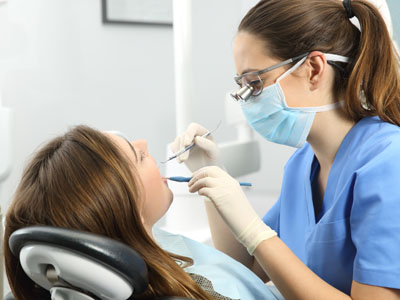
A healthy smile starts with daily habits, but routine home care can’t always remove every trace of plaque and buildup. Professional dental cleanings are designed to reach the places a brush and floss can miss, keeping your teeth and gums in strong, long-lasting condition. Regular visits also give your care team the chance to monitor changes, catch early signs of trouble, and provide personalized guidance so you can maintain your best oral health between appointments.
Plaque is a living biofilm that accumulates on tooth surfaces and along the gumline. Left in place, it mineralizes into tartar (calculus), which bonds to the tooth and cannot be removed by brushing alone. That hardened material traps bacteria against the gums and tooth roots, increasing the risk of cavities and inflammation that can progress into periodontal disease if untreated.
Beyond the mouth, mounting research links chronic oral inflammation to broader health concerns. Controlling plaque and keeping gum tissue healthy helps reduce persistent inflammation and allows your clinician to identify warning signs early. This preventive focus means fewer advanced interventions down the road and a better outlook for both oral and overall health.
How often you need a professional cleaning depends on your individual risk factors—such as your susceptibility to gum disease, the presence of restorations, and certain medical conditions—but routine visits remain the foundation of effective preventive care. For many patients, twice-yearly cleanings provide reliable maintenance; others may benefit from a more customized schedule based on their periodontal status and risk profile.
During these visits, clinicians do more than simply remove deposits. They assess tissue condition, chart changes, and create a plan tailored to your needs. That combined approach—skilled cleaning plus careful monitoring—keeps small problems from becoming larger ones and supports a lifetime of healthy smiles.
Every cleaning begins with a thorough evaluation of your mouth. Your hygienist or dentist visually examines the teeth and gums, checks for signs of inflammation or recession, and may use a periodontal probe to measure pocket depths. This baseline helps determine whether standard prophylaxis or a more intensive periodontal maintenance visit is appropriate.
Next comes the cleaning itself. Many clinicians use a combination of ultrasonic scalers and hand instruments to remove plaque and tartar. Ultrasonic devices loosen and wash away deposits with high-frequency vibrations and a stream of water, while hand tools allow precise removal along the gumline and in tight spaces where buildup persists.
Polishing follows scaling and removes surface discoloration, leaving teeth smooth to the touch. If necessary, the clinician will floss between teeth to clear any remaining debris and evaluate occlusion and restorations. For patients with sensitivity or anxiousness, clinicians can recommend comfort measures—such as topical gels or localized numbing—to ensure the visit is as painless as possible.
Finally, your hygienist will review findings and offer practical recommendations for home care. This conversation includes tailored tips for brushing, techniques for flossing or interdental cleaning, and any habits to modify in order to protect gum tissue and dental work. The goal is a cleaning appointment that not only improves the immediate condition of your mouth but also empowers you to preserve those gains at home.
Modern cleanings blend time-tested hand instrumentation with contemporary tools that improve efficiency and comfort. Ultrasonic scalers break up tenacious deposits quickly and flush bacteria-laden debris from periodontal pockets, while finely tuned hand instruments allow a hygienist to perform delicate work around crowns, bridges, and sensitive root surfaces.
Polishing implements are selected to match each patient's needs—using pastes and cups designed to remove extrinsic stains without damaging enamel. In cases where stain is more resistant, clinicians focus on gentle, conservative polishing rather than aggressive abrasion to preserve surface integrity and minimize sensitivity.
Intraoral cameras and digital radiography—technologies available in many modern practices—support the cleaning process by providing clear images and diagnostics. These tools help clinicians identify areas of concern, track changes over time, and discuss findings visually with patients so everyone is aligned on next steps.
Infection control and patient comfort are integral to every visit. Sterile techniques, single-use disposables where appropriate, and careful communication ensure a safe, reassuring environment. The combined effect of skilled hands, appropriate technology, and attention to comfort produces thorough cleanings with minimal stress for patients.
Consistent professional cleanings reduce the microbial load in the mouth, helping to prevent cavities and control gingival inflammation. When plaque and tartar are managed regularly, the tissues that support teeth remain healthier and more resilient, lowering the likelihood of bone loss and the need for more invasive periodontal therapy.
Regular visits also provide opportunities for early detection. Small chips, emerging decay, or areas of recurrent buildup can be identified and addressed before they require extensive restorative work. Early intervention keeps treatment conservative and focused on preserving natural tooth structure whenever possible.
Maintenance visits are especially important for patients with existing dental work—crowns, bridges, implants, or orthodontic appliances—as these areas often require specialized cleaning techniques. By keeping restorations clean and monitoring their condition, clinicians help extend the life of dental work and reduce the chance of complications.
Educational support is another key benefit. Hygienists and dentists teach practical strategies—proper brushing angles, flossing methods, and helpful products—to close the gap between office care and daily habits. When patients leave armed with better technique and an understanding of their individual risk factors, the benefits of a cleaning last much longer.
Preparing for a cleaning is straightforward: arrive with your usual oral-care routine and be ready to share relevant health information, such as medications or recent medical changes. If you have specific concerns—sensitivity, bleeding gums, or changes in how your bite feels—mention them at the start of the appointment so your clinician can tailor the experience to your needs.
Following a cleaning, it's normal to feel a cleaner sensation and for gums to be slightly more sensitive for a day or two, especially if significant tartar was removed. Mild sensitivity typically subsides quickly; temporary measures such as desensitizing toothpaste or avoiding very hot or cold foods immediately after the visit can help if you notice discomfort.
Maintain the momentum after your visit by following the personalized home-care plan recommended by your clinician. Consistency with brushing and interdental cleaning preserves the work done during the appointment and slows the return of plaque and stains. If your clinician suggests a specific recall interval—three, four, or six months—try to adhere to that schedule to keep progress steady.
At the office of Wells Dentistry, we focus on clear communication and practical guidance so each visit leaves you confident in both the short- and long-term health of your smile. If you have unique concerns or require a tailored approach due to medical conditions or restorative work, bring those up during your appointment so your care plan reflects your whole-health needs.
In summary, professional dental cleanings are an essential part of preventive care that protect gum and tooth health, enable early problem detection, and reinforce effective home care. To learn more about how routine cleanings can fit into your oral-health plan, please contact us for more information.


A professional dental cleaning is a clinical procedure performed by a licensed hygienist or dentist to remove plaque, tartar and surface stains from teeth. It combines visual evaluation, periodontal probing and instrumented removal of hardened deposits that cannot be eliminated by home care alone. The goal is to restore a cleaner oral environment and reduce the risk of cavities and gum disease.
Beyond deposit removal, a cleaning visit includes an assessment of gum health and documentation of any changes since your last appointment. Hygienists also provide tailored oral hygiene instruction to help patients maintain improvements between visits. Regular professional cleanings form an essential part of preventive dental care and monitoring.
Many patients benefit from a cleaning every six months, but the ideal recall interval depends on individual risk factors and periodontal status. Patients with a history of gum disease, heavy buildup, certain medical conditions or restorative work may require more frequent visits to maintain tissue health. A clinician will recommend a personalized schedule based on probing depths, bleeding, and overall oral condition.
Insurance and standard practice often align with twice-yearly care, but clinical findings should drive the final plan. Adhering to the recommended interval helps keep small problems from becoming larger and reduces the need for extensive treatment. Your hygienist will reassess risk at each visit and adjust the recall interval as needed.
A cleaning visit usually begins with an oral evaluation that may include charting, periodontal probing and a review of medical history or symptoms. The clinician then uses ultrasonic scalers and hand instruments to remove plaque and tartar from crowns and root surfaces, followed by polishing to smooth enamel and remove extrinsic stains. Flossing and a final inspection complete the clinical portion of the appointment.
After the mechanical cleaning, your hygienist will summarize findings, note any areas of concern and recommend specific home-care techniques or products. If additional diagnostics or restorative care are needed, the team will discuss next steps. This combined approach—treatment plus education—helps patients preserve results between visits.
Most cleanings are comfortable for patients and feel similar to routine dental appointments, though sensitivity can occur when significant tartar is removed or when gum inflammation is present. Hygienists routinely use gentle techniques and can modify the approach to minimize discomfort, such as using slower instrumentation and careful hand scaling in sensitive areas. For patients with heightened sensitivity, topical desensitizers or localized anesthetic may be offered for greater comfort.
Open communication with your clinician about anxiety or discomfort helps the team tailor the visit to your needs. Relaxation techniques, short breaks and clear explanations of each step often reduce stress. The priority is a thorough cleaning delivered with attention to patient comfort and safety.
Appointment length varies with the scope of care but commonly ranges from about 30 to 60 minutes for a routine prophylaxis. New-patient visits or appointments that include full periodontal charting, radiographs or deeper scaling may take longer to ensure a comprehensive evaluation and treatment. Extended time is scheduled when more intensive cleaning or additional diagnostics are necessary.
Scheduling practices aim to allow enough time for careful, unhurried care and for clinicians to review findings with patients. If you anticipate special needs or have had difficulty with past appointments, mention that when you schedule so the team can plan appropriately. Clear expectations help ensure a productive visit and a comfortable experience.
X-rays are not required at every cleaning but are taken periodically to monitor bone levels, detect decay between teeth and evaluate restorations as clinically indicated. Many practices use intraoral cameras and digital radiography to capture clear images that support diagnosis and help patients understand findings. Periodontal probing and charting are routine parts of the exam and provide important information about gum health.
Diagnostic tools are selected based on your individual risk profile and treatment history to avoid unnecessary exposure while still capturing meaningful information. If radiographs or additional imaging are recommended, your clinician will explain the reason and how the information will guide care. These records also allow tracking of changes over time for better long-term outcomes.
Preparing for a cleaning is simple: arrive with an up-to-date list of medications, inform the team of any recent health changes and share specific concerns such as bleeding gums or sensitivity. Continue your normal brushing and flossing routine before the visit unless your clinician has given other instructions. If you have special needs, mobility limitations or dental anxiety, let the office know when you make your appointment so accommodations can be arranged.
At the office of Wells Dentistry, clinicians welcome questions about medical history and can adjust protocols for patients with systemic conditions or complex restorative work. Bringing a list of current providers and recent treatments can be helpful when medical coordination is necessary. Clear communication before and during the visit helps ensure a focused, safe and effective cleaning.
When performed by trained clinicians, cleanings are adapted to protect crowns, bridges and implants while effectively removing plaque and biofilm. Hygienists use instruments and techniques that are appropriate for different restorative materials to avoid scratching or damaging surfaces, and they pay special attention to the junctions where restorations meet natural tooth structure. For implants, implant-specific instruments and gentle ultrasonic tips help control biofilm without compromising the fixture.
Regular professional maintenance is essential to prevent peri-implantitis and to extend the lifespan of restorative work. The clinician will document the condition of crowns, bridges and implants at each visit and recommend any necessary adjustments or referrals. Preventive care and tailored maintenance reduce the likelihood of restoration-related complications.
After a cleaning you may notice smoother teeth and slightly tender or sensitive gums for a day or two, especially if significant tartar was removed. Sensitivity usually resolves quickly, and using a desensitizing toothpaste, avoiding very hot or cold foods immediately after the visit and following the hygienist's home-care tips can help. If bleeding, severe pain or prolonged sensitivity occurs, contact your dental team for advice and evaluation.
To prolong the benefits of the cleaning, maintain consistent brushing twice daily with a soft-bristled brush, clean between teeth daily with floss or interdental tools and follow any product recommendations provided by your clinician. Returning at the recommended recall interval and reporting changes promptly supports long-term oral health. Education and small adjustments in technique often yield significant, lasting improvements.
Routine cleanings reduce the bacterial load and inflammation in the mouth, which helps prevent progression to periodontal disease and lowers the risk of tooth loss. Emerging research also links chronic oral inflammation with systemic conditions, so maintaining gum health is an important component of whole-person care. By controlling plaque and tartar, dental cleanings contribute to improved oral function, comfort and quality of life.
Regular professional care enables early detection of oral conditions that might otherwise require more extensive treatment, preserving more natural tooth structure and reducing complication risks. Discussing your overall health and risk factors with your clinician helps integrate dental prevention into a broader health plan. Your dental team can explain how findings relate to general health and recommend appropriate follow-up when needed.

It's time for your check-up!
Scheduling your next visit or getting answers about our comprehensive dental services is simple when you contact Wells Dentistry. Our friendly administrative team is prepared to help you find the perfect appointment time, provide clarity on your treatment plan options, and efficiently manage any billing or insurance questions. We are ready to assist you by phone or via our quick online form. Contact us today and let us partner with you to maintain a healthy, beautiful smile for years to come.