Advances in dental materials, digital tools, and clinical techniques have made replacing missing teeth more reliable and natural-looking than ever. While dental implants and bridgework are excellent fixed options for many people, removable dentures remain a practical, versatile way to restore a complete smile for patients in a wide range of circumstances.
At the office of Wells Dentistry, we design and craft dentures using durable materials and careful attention to fit, function, and appearance. Our approach focuses on rebuilding a balanced bite, preserving facial contours, and helping patients regain the confidence to speak, laugh, and eat comfortably.
We tailor every treatment plan to each patient’s anatomy, lifestyle, and goals. Whether you need a partial denture to fill a few gaps or a complete denture to restore an entire arch, our team emphasizes clear communication, predictable outcomes, and long-term oral health.
Losing a tooth affects more than the way your smile looks. Gaps in your dentition can change how you chew, shift the position of remaining teeth, and alter the forces across your bite. Over time these changes may contribute to uneven wear, food-trapping areas, and additional dental problems if left unaddressed.
There are also functional concerns: missing teeth can make speech less precise and limit the types of foods you can eat comfortably. For many people, that means cutting back on nutritious choices that require firm chewing, which can affect overall health and enjoyment of meals.
Finally, missing teeth influence facial support. Teeth and their roots help preserve the height and tone of the jawbone; when teeth are absent, the underlying bone can remodel and the cheeks may appear less supported. Replacing teeth in a timely way helps maintain facial structure and a natural-looking profile.

Removable dentures are prosthetic devices that rest on the gums and simulate the look and function of natural teeth. They consist of lifelike artificial teeth embedded in a supportive base that contours to your mouth. Dentures can be made to replace a single arch or both arches, and today’s materials allow for highly aesthetic results.
One key advantage of removable appliances is access: because they can be taken out, both the prosthesis and the underlying tissues can be cleaned thoroughly. This makes it easier to maintain oral hygiene and monitor the condition of any remaining teeth or soft tissues beneath the denture.
Removable does not mean low-tech. Modern dentures benefit from digital impressions, precise shade matching, and refined fabrication methods that improve fit, comfort, and durability. For many patients, this combination of customization and accessibility makes dentures a reliable, long-term restoration.
Choosing the right type of denture depends on how many natural teeth remain, the health of those teeth, bone support, and your personal preferences. A thoughtful evaluation allows us to recommend a solution that balances stability, ease of care, and a natural appearance.
Full (complete) dentures replace all the teeth in an upper or lower arch when there are no teeth left to support restorations. Partial dentures fill gaps when healthy teeth remain; they can stabilize adjacent teeth and help preserve the overall alignment of the bite.
Material choices for partial frameworks have expanded over the years. Options now include traditional cast metal bases, flexible resin alternatives, and hybrid combinations that prioritize comfort without sacrificing strength or retention.
Complete dentures can be fabricated after the mouth has healed from extractions, or they can be delivered immediately after teeth are removed so a patient never goes without teeth. Each approach has pros and considerations: a healed, conventional denture often fits more precisely, while an immediate denture provides continuous esthetics during the healing phase.
Immediate denture
An immediate denture is placed at the time teeth are extracted so you have a complete smile throughout healing. Because the tissues change during recovery, these dentures commonly require adjustments or relining to restore an optimal fit.
Overdenture
An overdenture gains extra stability from remaining tooth roots or attachments placed on teeth. Preserving select roots can enhance retention, provide proprioception, and help limit bone loss in key areas.
Implant‑supported dentures
Implant-supported designs clip or lock onto small dental implants anchored in the jaw. This option provides improved retention and chewing ability for patients who are candidates for implant placement and seek greater stability than a conventional denture alone can offer.
When we recommend a particular style, our goal is always to match the solution to the patient’s oral health, functional needs, and lifestyle—so the result feels secure and looks natural.
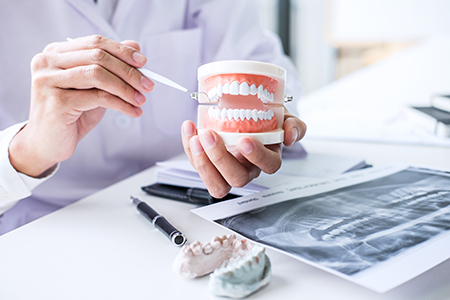
A well-made denture begins with a comprehensive evaluation. That means a medical and dental history review, an examination of the remaining teeth and soft tissues, and diagnostic imaging when needed. These steps allow us to anticipate how the denture will interact with your mouth and what preparatory care may be required.
Sometimes preparatory treatments—such as stabilizing a tooth, treating gum disease, or completing extractions—are recommended before the final prosthesis is made. We’ll discuss any recommended sequence of care and explain how each step contributes to a comfortable, long-lasting fit.
The fabrication process can involve impressions, try-ins to confirm bite and tooth selection, and small laboratory refinements to achieve proper function and aesthetics. Whether the denture is conventional, immediate, or implant‑retained, careful attention at every stage helps reduce the need for repeated corrections later on.
Follow-up appointments are equally important. After insertion we evaluate how well the denture seats, note pressure points, and confirm that speech and chewing patterns are adapting as expected. Routine checkups allow us to monitor tissue health and recommend relines or adjustments when necessary.

Adjusting to a new denture takes time and patience. Early on you may notice changes in saliva production, speech, and chewing comfort. These are normal responses as your mouth adapts; practicing speech and starting with softer foods can help speed the transition.
Adapting to daily wear
Wear the denture as recommended during the day and plan to remove it at night so the tissues can rest. If rubbing or sore spots develop, keeping a brief diary of when they occur helps us locate and relieve the problem at follow-up visits.
Hygiene and maintenance
Brush the denture daily with a brush designed for prostheses and rinse it after meals. Clean any remaining natural teeth and massage the gums to support tissue health. Soak the denture overnight in water or a recommended cleaner to keep it free of debris and stains.
When to seek care
If fit feels unstable, if chewing becomes uncomfortable, or if you notice persistent redness or sore spots, contact your dental team. Timely relines, minor adjustments, or professional cleaning can often resolve issues before they affect oral health.
For patients who need greater retention, adhesive products can help temporarily, and implant-supported attachments provide a more stable long-term option when clinically appropriate.
At Wells Dentistry we focus on restoring function, comfort, and a natural appearance with each denture we deliver. If you’d like to learn more about how dentures might fit into your treatment plan, please contact us for more information.


Removable dentures are custom-made prosthetic devices that rest on the gums and replicate the appearance and basic function of natural teeth. They consist of lifelike artificial teeth set in a supportive base that is contoured to the mouth and balanced to restore proper bite forces. Because dentures can replace one arch or both, they allow patients to recover chewing ability, speech clarity, and facial support in a predictable way.
Modern dentures benefit from advances in materials, digital impressions, and refined laboratory techniques, which improve fit, durability, and aesthetics. The removability of these prostheses makes daily cleaning straightforward and allows clinicians to inspect the underlying tissues or remaining teeth. With careful planning and follow-up, dentures can be a reliable long-term option for many patients.
There are several denture designs to match different clinical situations, including full (complete) dentures, partial dentures, and hybrid frameworks that combine flexibility and strength. Full dentures replace all teeth in an arch when no natural teeth remain, while partial dentures fill gaps and help stabilize adjacent teeth. Material choices and attachment styles are selected based on oral health, bone support, and patient preferences.
A careful clinical evaluation helps determine the best option for each patient by assessing remaining teeth, gum health, bone volume, and functional needs. Your dental team will discuss the trade-offs between stability, maintenance, and esthetics so you can choose a solution that fits your lifestyle. The goal is to select a design that provides comfortable function and a natural appearance while protecting long-term oral health.
An immediate denture is fabricated in advance and inserted at the time of extractions so the patient does not go without teeth during healing. Because tissues change during recovery, immediate dentures commonly require subsequent adjustments or relining to maintain a comfortable fit. A conventional denture fabricated after healing often provides a more precise long-term fit but requires a period without teeth during the healing phase.
An overdenture gains retention and proprioception from preserved tooth roots or attachments on remaining teeth, which can slow bone loss and improve stability. Implant-supported dentures attach to small implants in the jaw and offer superior retention and chewing efficiency for appropriate candidates. Each approach has clinical considerations, and your dentist will recommend the option that best balances immediate needs, long-term health, and functional goals.
Treatment begins with a comprehensive evaluation that includes a medical and dental history, an oral exam, and diagnostic imaging when needed to assess bone and soft tissues. Based on that assessment, the team will outline any preparatory care—such as treating periodontal disease, stabilizing teeth, or performing extractions—so the final prosthesis will fit and function well. Clear communication about expectations and staged planning helps patients feel informed throughout the process.
The fabrication process typically involves impressions, try-ins to verify tooth position and bite, and laboratory refinements to achieve natural esthetics and comfortable function. After insertion, follow-up appointments are important to address pressure points, confirm speech and chewing adaptation, and plan future maintenance. The practice emphasizes predictable outcomes through careful planning, precise work, and ongoing care.
Daily cleaning protects both the denture and the tissues beneath it, so remove the prosthesis and brush it with a brush designed for dentures or a soft-bristle brush and nonabrasive cleanser. Rinse the denture after meals to remove debris and soak it overnight in water or a recommended cleaning solution to control staining and bacterial buildup. At the same time, clean remaining natural teeth and gently massage the gums to support tissue health.
Handle dentures over a sink or soft towel to avoid damage if dropped, and avoid using stiff brushes or abrasive household cleaners that can scratch the surface. Regular professional exams and periodic professional cleaning help maintain fit and hygiene and allow the dentist to spot changes in the mouth early. Proper daily care prolongs the life of the denture and supports overall oral health.
Adjusting to new dentures commonly takes several weeks as the mouth adapts to changes in saliva, speech patterns, and chewing mechanics. Early on, you may notice increased saliva production, slight changes in speech, and sensitivity in the gums; these responses are normal and tend to diminish with time. Practicing reading aloud, speaking slowly, and starting with soft, easy-to-chew foods can help you regain confidence more quickly.
Follow-up appointments are essential during the adjustment period so your dentist can relieve sore spots and fine-tune the fit with minor adjustments or relines. Keeping a short diary of when discomfort occurs helps identify pressure points and informs targeted corrections. With patience, consistent wear as recommended, and timely adjustments, most patients adapt well and regain comfortable function.
Dentures can require periodic maintenance because the mouth changes over time due to bone remodeling and normal wear of the prosthesis. Common signs that a denture needs attention include persistent sore spots, a loose fit, difficulty chewing, clicking during speech, or visible cracks and worn teeth on the prosthesis. If any of these issues arise, prompt evaluation helps prevent further tissue irritation or functional decline.
Routine checkups allow your dentist to assess tissue health and determine when relining, rebasing, or replacement is appropriate to restore fit and function. Minor adjustments and professional cleanings can often resolve common problems, while more extensive repairs are handled by the laboratory. Proactive maintenance preserves comfort and helps avoid sudden functional setbacks.
Many patients are able to eat a broad range of foods and speak clearly with well-made dentures, but some initial adjustments are normal while you build confidence and control. Start with softer, cut foods and chew slowly using both sides of your mouth to distribute forces evenly; gradually introduce firmer foods as comfort improves. Practicing speaking, especially with challenging sounds, and reading aloud can accelerate speech adaptation.
Using denture adhesives temporarily can help with retention, but they are not a substitute for a properly fitted prosthesis and should be used according to product directions. If persistent instability or difficulty chewing remains, discussing implant-retained options with your dentist can offer greater retention and improved function for eligible patients. Regular follow-up ensures the prosthesis continues to support comfortable eating and clear speech.
Good candidates for removable dentures include patients who have lost multiple teeth or an entire arch, have limited bone in certain areas, or prefer a noninvasive and reversible option for restoring appearance and function. Dentures are also appropriate when remaining teeth are not suitable to support fixed restorations or when medical factors make implant surgery inadvisable. A candid discussion of health history, oral conditions, and lifestyle helps determine suitability.
Dental implants can be recommended when patients seek enhanced stability, improved chewing efficiency, and long-term preservation of jawbone, provided there is sufficient bone or the patient is a candidate for grafting. Your dentist will review the clinical factors that favor implants, such as bone quality and overall health, and will explain how implant-retained dentures differ from conventional options. Together, you can select the treatment that best aligns with functional goals and clinical needs.
Beyond restoring a natural smile, dentures help reestablish chewing ability, which supports proper nutrition and enjoyment of meals. They also contribute to clearer speech by filling gaps that can interfere with pronunciation, and they help maintain facial contours by supporting soft tissues that might otherwise collapse with tooth loss. Replacing missing teeth in a timely way reduces the risk of adjacent teeth shifting and the development of bite irregularities.
Well-planned dentures can enhance overall oral health by allowing patients to clean prostheses and underlying tissues thoroughly and by providing a foundation for other treatments, such as overdentures or implant-retained options in the future. The practice focuses on creating dentures that deliver predictable function, comfort, and an appearance that blends naturally with each patient’s features. If you would like to explore how dentures might fit into your treatment plan, contact Wells Dentistry to schedule an evaluation.
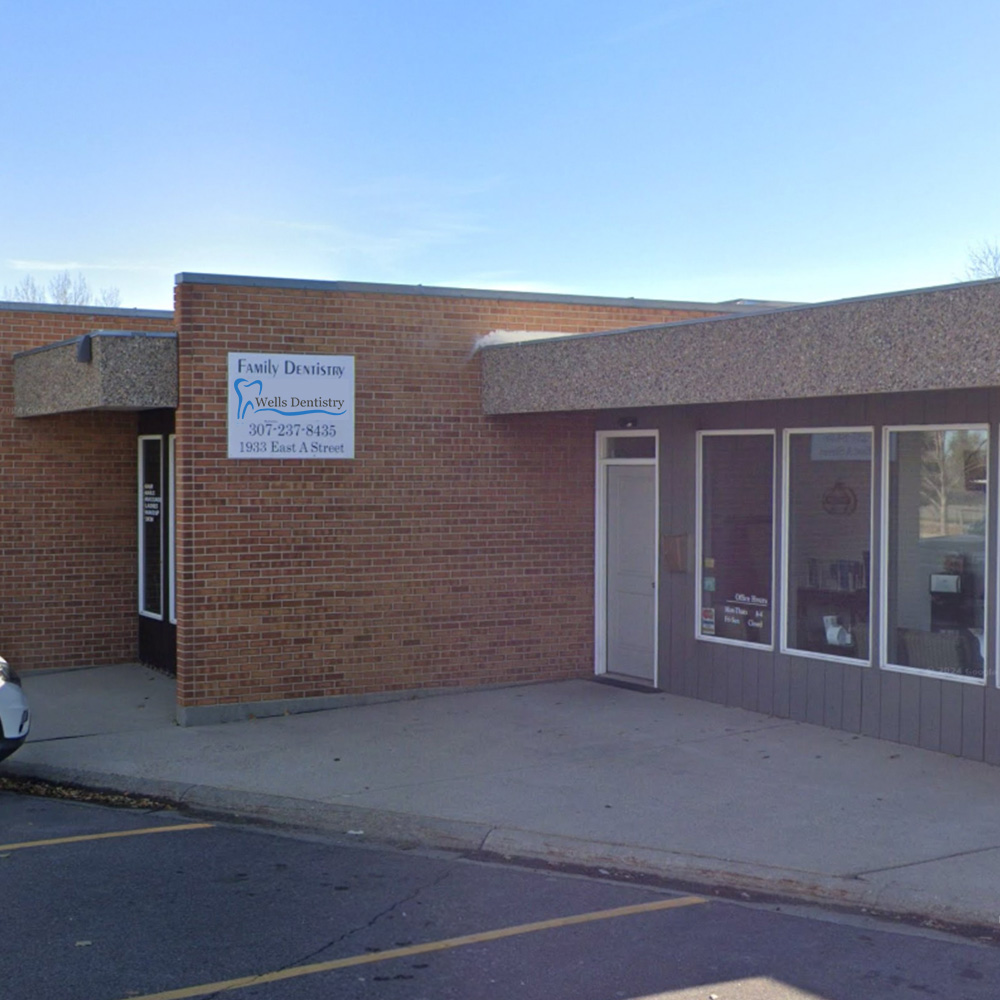
It's time for your check-up!
Scheduling your next visit or getting answers about our comprehensive dental services is simple when you contact Wells Dentistry. Our friendly administrative team is prepared to help you find the perfect appointment time, provide clarity on your treatment plan options, and efficiently manage any billing or insurance questions. We are ready to assist you by phone or via our quick online form. Contact us today and let us partner with you to maintain a healthy, beautiful smile for years to come.