Digital impressions use a compact intraoral scanner to capture a detailed, three-dimensional image of teeth and surrounding soft tissues. Instead of filling a tray with impression material and asking a patient to bite down, the clinician gently moves the scanner through the mouth while specialized software stitches together numerous frames into a precise digital model. The resulting file is an accurate, manipulable representation that can be viewed, measured, and shared without ever handling physical impressions.
Beyond replacing a messy tray of material, the technology fundamentally changes how clinicians plan and communicate. The digital model supports a wide range of treatments, from crowns and bridges to implant planning and orthodontic aligners. Because the data is created in a consistent, standardized format, it’s easier to integrate with CAD/CAM systems and laboratory workflows, reducing ambiguity and improving predictability.
For patients, the visible benefit is comfort; for the dental team, it’s control. A scan can be reviewed immediately, allowing the clinician to confirm that margins, occlusion, and surrounding tissues are accurately captured before the patient leaves the chair. That immediacy reduces the need for remakes and follow-up impressions, which translates to smoother treatment timelines and fewer inconvenient calls or returns.
Traditional impressions can trigger discomfort, gagging, or anxiety for some patients, particularly those with sensitive reflexes or strong gag responses. Digital scanning sidesteps these issues: the scanner tip is small, the capture process is non-invasive, and scans are completed in controlled passes instead of a single prolonged impression. Many patients report a calmer, faster experience that leaves them more satisfied with their appointment overall.
From the clinician’s perspective, digital impressions simplify chairside workflow. The ability to capture only the areas that need attention — rather than relying on a full-arch physical tray — streamlines the appointment. If the initial capture shows a missed margin or a distorted area, it can be rescanned immediately, avoiding the delays associated with sending physical impressions back and forth between office and lab.
The ease of use also benefits hygienic protocols and infection control. Digital capture eliminates the need to disinfect or ship trays and impression materials, limiting opportunities for contamination. This cleaner, more contained process fits naturally into modern infection-prevention standards and helps maintain a safer environment for patients and staff alike.
One of the most practical advantages of digital impressions is the speed of information transfer. Digital files are transmitted electronically to dental laboratories or specialist partners, which shortens turnaround times compared with mailing physical models. Labs receive clear, high-resolution scans that can be opened immediately in their design software, enabling technicians to begin work without delay.
Because the files are standardized, collaboration is more efficient. Technicians can annotate scans, propose design adjustments, and communicate directly with clinicians using the same digital model as the reference point. This shared visual language reduces misunderstandings and often improves the fit and aesthetic outcome of restorations when compared with conventional impression workflows.
For complex cases that require input from multiple team members — such as implant planning or full-mouth rehabilitation — the ability to share accurate, manipulable data in real time is especially valuable. Digital impressions support coordinated, multidisciplinary care and make it easier to involve outside specialists when needed.
Digital impressions are a cornerstone of modern chairside restorative systems. When combined with in-office milling units and ceramic materials, a high-quality scan can be turned into a finished crown, onlay, or veneer in a single visit. This approach eliminates temporary restorations and additional appointments, so patients receive a definitive solution more quickly and with fewer disruptions to their schedules.
Same-day workflows rely on accurate scans and efficient software — the better the input data, the more predictable the output. A precise digital impression helps ensure that the final restoration fits well, requires minimal adjustment, and matches the prepared tooth’s margins. The result is a streamlined experience for both the clinician and the patient, often with improved aesthetic and longevity compared with hastily fabricated alternatives.
Even when a practice doesn’t perform chairside milling, digital impressions still accelerate restoration timelines. Electronic transmission to a capable laboratory can produce same-day or next-day provisional and final restorations far faster than traditional shipping-dependent workflows, offering patients quicker resolutions without compromising quality.
Accuracy is a primary clinical benefit of digital impressions. Modern scanners capture fine detail and allow clinicians to zoom, rotate, and measure the model at any angle. This precision supports better marginal fits, improved occlusal relationships, and more predictable prosthetic outcomes. When coupled with digital design tools, clinicians can virtually plan and preview restorations before any physical work is fabricated.
Digital models also enhance record keeping and case documentation. Scans can be archived indefinitely, enabling clinicians to review previous anatomy, monitor wear patterns, or compare pre- and post-treatment conditions without storing bulky stone models. This accessible record trail supports continuity of care and can be a helpful reference in complex restorative or orthodontic cases.
Finally, the digital workflow supports future planning. Whether mapping an implant site, staging orthodontic movements, or coordinating full-mouth rehabilitation, digital impressions integrate seamlessly with diagnostic software. The result is a more intentional, evidence-driven approach to treatment planning that improves predictability and helps clinicians deliver care that aligns with each patient’s long-term oral health goals.
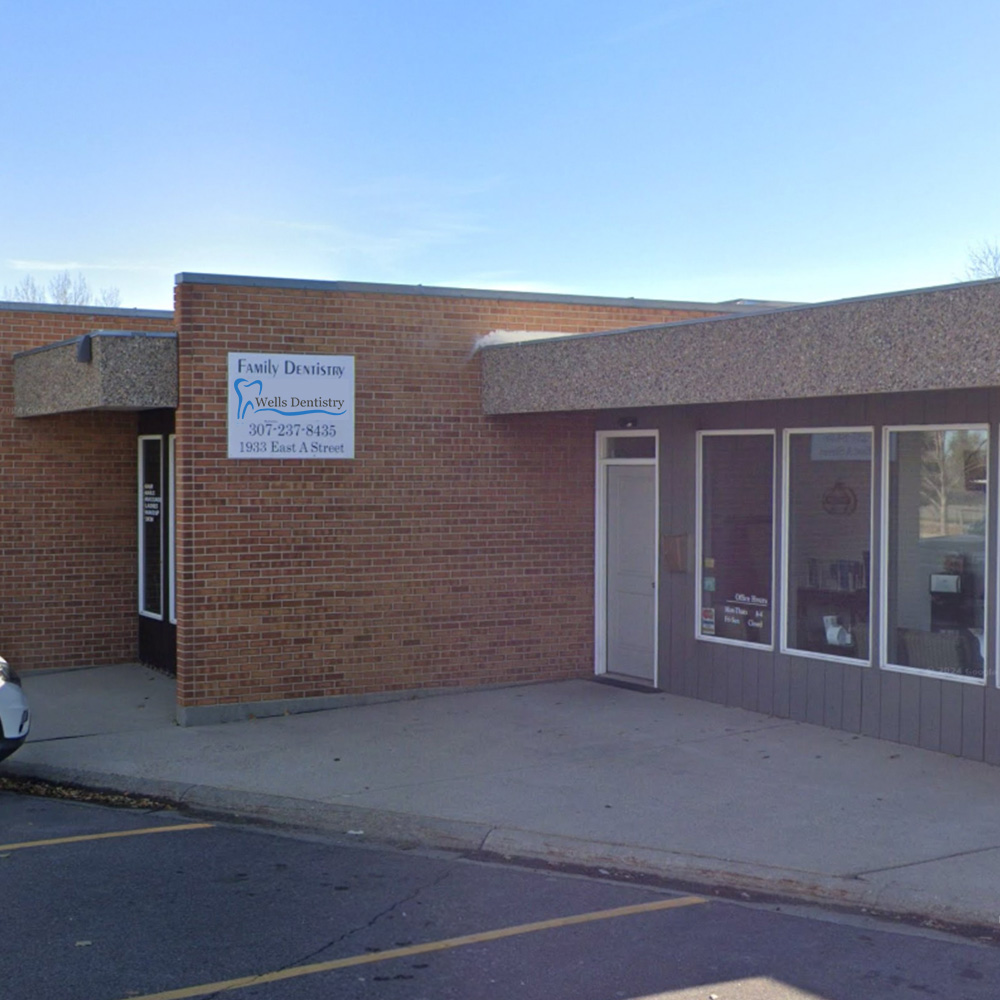
At our office in Casper, WY, we’ve adopted digital impression technology to improve clinical outcomes and patient comfort. Wells Dentistry uses these tools to streamline treatment planning, support same-day restorative options, and collaborate efficiently with dental laboratories. If you’d like to learn more about how digital impressions could affect your next visit, please contact us for additional information or to schedule a consultation.


Digital impressions are three-dimensional scans of teeth and surrounding tissues captured with an intraoral scanner instead of traditional putty-filled trays. The scanner records multiple frames that specialized software stitches into a precise, manipulable model dentists can view, measure and share. This digital model improves communication, integrates with CAD/CAM workflows and eliminates the need to handle physical impressions.
The practical value is both clinical and patient-centered: clinicians gain more control over margins, occlusion and fit while patients avoid the discomfort and gagging sometimes associated with conventional impressions. Digital files also simplify long-term record keeping and treatment planning, since scans can be archived and reviewed without storing bulky stone models. Overall, the technology increases predictability and efficiency across many restorative and orthodontic procedures.
An intraoral scanner uses a small handpiece to capture a series of high-resolution images or video frames as it moves through the mouth, and built-in software aligns and stitches those frames into a continuous 3-D model. The device measures surface geometry and color information in real time, allowing the clinician to rotate, zoom and evaluate the scan immediately after capture. If an area is incomplete or distorted, the clinician can rescan just that section rather than repeating a full-arch impression.
Scanners rely on optical and computational techniques rather than physical impression materials, which reduces variability caused by handling, pour-up errors or shipping. The standardized output is compatible with many laboratory systems and digital design tools, making it straightforward to send files electronically to technicians or specialists. This direct digital workflow shortens turnaround times and reduces opportunities for human error.
For patients, digital impressions are typically more comfortable and less invasive than traditional tray impressions, which can trigger gag reflexes or anxiety in some individuals. The scanner tip is small and the capture process is done in controlled passes, so appointments often feel quicker and less stressful. Immediate on-screen visualization of the scan also helps clinicians explain treatment needs and expected outcomes, improving patient comprehension and engagement.
Beyond comfort, digital impressions reduce the likelihood of remakes and additional visits because scans can be reviewed and corrected chairside before the patient leaves. The streamlined process often shortens overall treatment timelines, whether for crowns, bridges, orthodontic aligners or implant planning. Patients then benefit from fewer appointments and a more predictable restorative outcome.
Modern scanners capture fine anatomical detail and allow clinicians to inspect margins, contacts and occlusion from multiple angles, which supports more accurate restorations. The ability to measure the digital model precisely reduces guesswork during design and fabrication, which can lead to better marginal fit and fewer adjustments at delivery. When combined with digital design tools, clinicians can simulate restorations, verify fit virtually and anticipate potential issues before fabrication.
Digital impressions also minimize distortions associated with impression materials, model pouring and shipping, lowering the chances of prosthetic remakes. The standardized digital file format integrates with milling units and laboratory CAD/CAM systems, which increases predictability and consistency across cases. Ultimately this precision supports longer-lasting restorations and a higher rate of first-time fit.
Yes, digital impressions are a key component of same-day, chairside restorative workflows when paired with in-office design and milling systems. A high-quality scan can be used to design a crown, onlay or veneer digitally and then manufacture it on-site from ceramic blocks, eliminating the need for a temporary restoration and a separate appointment. The accuracy of the scan directly affects the predictability of the milled restoration, so careful capture is essential for a successful same-day result.
Even when in-office milling is not available, digital impressions speed up collaboration with external laboratories by enabling immediate electronic transmission of scan files. Many labs can deliver provisional or final restorations more quickly when they receive accurate digital data, shortening treatment timelines without sacrificing fit or esthetics. This flexibility makes digital impressions valuable in both chairside and lab-based workflows.
Digital impressions produce standardized electronic files that can be transmitted instantly to dental laboratories and specialists, removing delays associated with mailing physical models. Technicians can open high-resolution scans directly in their design software, annotate areas of concern and propose adjustments while referencing the same visual dataset as the clinician. This shared reference reduces ambiguity and improves coordination across multidisciplinary cases.
For complex treatments such as implant planning or full-mouth rehabilitation, digital exchange allows for faster review cycles and collaborative problem solving between clinicians, labs and outside specialists. The ability to share precise, manipulable models facilitates virtual case planning and helps ensure that everyone involved works from the same accurate information. That results in better fitting restorations and more efficient treatment pathways.
A digital scanning appointment typically begins with the clinician checking access, soft tissues and hydration to ensure an accurate capture, then guiding the scanner across the teeth and gums in systematic passes. The process is noninvasive and usually takes only a few minutes for a localized area or longer for a full-arch scan, depending on the complexity of the case. Scans are reviewed immediately on screen and any incomplete zones can be rescanned on the spot, avoiding the need for the patient to return for additional impressions.
Patients can expect clear communication throughout the appointment, including an explanation of the purpose of the scan and how it will be used in their treatment plan. Because digital scans are viewable in real time, clinicians can show patients the captured anatomy, discuss margin placement or occlusal relationships, and use the model to illustrate proposed restorations. The overall experience emphasizes comfort, efficiency and direct involvement in treatment decisions.
While digital impressions are highly versatile, there are clinical scenarios where conventional impressions may be chosen, such as when access is extremely limited or when heavy bleeding or excessive saliva compromises optical capture. Certain full-arch implant prosthetics and specific laboratory workflows may also still rely on analog models, depending on technician preferences and case requirements. Clinicians evaluate each case individually and select the impression method that best supports accuracy and predictable outcomes.
Advances in scanning technology and technique continue to expand the indications for digital capture, but the decision ultimately rests on clinical judgment, tissue conditions and the restorative plan. When digital scanning is appropriate, it often reduces remakes and improves efficiency; when traditional impressions are preferable, they remain a reliable option to achieve the desired result. The key is matching the method to the clinical needs of the patient.
Digital impressions become part of the patient’s electronic dental record and are stored as encrypted files on secure practice servers or HIPAA-compliant cloud platforms used by the dental office. These storage systems allow clinicians to archive scans, retrieve prior anatomy for comparison, and maintain a clear record of treatment progression without physical model storage. Access controls and secure transmission protocols are used to protect patient data when files are shared with laboratories or specialists.
Long-term retention of scans supports continuity of care, enabling clinicians to review previous conditions, monitor wear patterns or reference pre-treatment anatomy during future interventions. Patients who have questions about how their digital records are stored or shared should ask the practice for details about privacy and data handling. Good recordkeeping practices enhance both clinical decision-making and patient trust in the care process.
Wells Dentistry in Casper, WY has adopted digital impression technology to improve clinical predictability, enhance patient comfort and streamline collaboration with dental laboratories and specialists. The practice uses high-resolution scans to support restorative planning, simulate outcomes and reduce the need for repeat impressions, which shortens treatment timelines and improves the overall patient experience. Digital models also integrate with CAD/CAM systems to enable efficient fabrication of restorations, whether produced chairside or by an external lab.
In treatment planning, the availability of accurate, manipulable scans allows clinicians to make more informed decisions about margins, occlusion and prosthetic design before fabrication begins. Archived scans provide a reliable reference for monitoring changes over time and coordinating complex, multidisciplinary care. By leveraging digital impressions, the practice emphasizes evidence-based planning and a smoother, more predictable restorative workflow for patients.
It's time for your check-up!
Scheduling your next visit or getting answers about our comprehensive dental services is simple when you contact Wells Dentistry. Our friendly administrative team is prepared to help you find the perfect appointment time, provide clarity on your treatment plan options, and efficiently manage any billing or insurance questions. We are ready to assist you by phone or via our quick online form. Contact us today and let us partner with you to maintain a healthy, beautiful smile for years to come.