Dental pain and injuries range from inconvenient to time-sensitive. If you experience severe, persistent pain, uncontrolled bleeding, swelling that affects breathing or swallowing, or a tooth that has been completely dislodged, these signs indicate you should seek immediate professional attention. Prompt evaluation reduces the risk of complications and preserves more treatment options than waiting to see if symptoms resolve on their own.
Not every dental concern requires emergency care, but distinguishing urgent conditions from routine issues can be difficult when you’re in pain. Sudden, sharp pain; fever with oral swelling; or visible trauma to teeth and soft tissues are all reasons to contact a dental provider right away. When in doubt, err on the side of prompt assessment so that an appropriate plan can be put in place.
At Wells Dentistry we treat urgent situations with the same focus and calm we bring to everyday care. Our team emphasizes rapid, evidence-based assessment to identify the cause of your symptoms and begin treatment that protects your long-term oral health. We aim to stabilize pain, control infection and trauma, and restore function as quickly as possible.
Toothaches are among the most common reasons patients seek emergency care. Pain can stem from decay that reaches the nerve, a cracked tooth, or an abscessed tooth that requires immediate attention. We evaluate the source using a clinical exam and any necessary imaging, then recommend the least invasive treatment that will relieve pain and preserve the tooth whenever possible.
Chipped, fractured, or knocked-out teeth require timely intervention. Small chips may be smoothed or bonded; larger fractures often need restoration with a crown. If a permanent tooth has been completely displaced, quick action can sometimes allow the tooth to be reinserted and saved. Loose or lost crowns and fillings can also lead to sensitivity or infection and are handled with protective temporary repairs followed by definitive restoration.
Swelling, fever, and signs of infection in the mouth can indicate an abscess or spreading infection. These conditions often need urgent care that includes drainage, medication where appropriate, and a targeted dental procedure to eliminate the source. Additionally, problems with wisdom teeth—such as acute impaction or infection—can produce intense discomfort and swelling and are managed with a combination of pain control, infection management, and timely extraction when indicated.
There are simple, effective steps you can take while arranging emergency care to reduce pain and minimize further damage. For pain, an over-the-counter analgesic taken according to package directions often helps until you can be seen. Applying a cold compress externally to the face can reduce swelling and discomfort. Keep your head elevated to limit throbbing when lying down.
If a tooth has been knocked out, handle it by the crown (the part you normally see) rather than the root. Rinse it gently with water if it’s dirty, avoid scrubbing, and attempt to keep it moist—placing it back in the socket is ideal if you can do so safely. If reinsertion is not possible, storing the tooth in milk or in your cheek can help preserve it for transport. For persistent bleeding, apply gentle pressure with sterile gauze or a clean cloth until professional help is available.
For soft-tissue injuries inside the mouth, rinse gently with warm salt water to reduce bacteria and aid comfort. Avoid applying aspirin directly to the gums or tooth surface. If swelling is accompanied by difficulty breathing, high fever, or rapid spread, seek immediate medical attention at an emergency department—those signs may indicate a medical emergency beyond dental care.
Our first step is a focused clinical examination to determine the source and severity of the problem. When necessary, digital radiographs and other imaging tools help identify fractures, root involvement, or areas of infection that are not visible to the naked eye. This diagnostic information allows us to create a clear, prioritized treatment plan that addresses immediate needs and outlines next steps for recovery.
Short-term treatment typically focuses on stabilizing pain and infection: this may involve temporary restorations to protect exposed tooth structure, drainage and antibiotics for abscesses when clinically appropriate, or pulpal therapy when the nerve is involved. For many injuries, we prefer conservative measures that maintain natural tooth structure and avoid unnecessary extraction whenever possible.
When definitive restoration is required, options can include composite bonding, crowns to rebuild fractured teeth, root canal therapy to save teeth with deep infection, or extraction when a tooth cannot be preserved. If extraction is necessary, we discuss replacement options and coordinate follow-up care to restore function and esthetics. We will also refer to specialists when complex surgical or endodontic care is the best path for a successful outcome.
Recovery from a dental emergency often includes a period of follow-up to ensure healing, monitor for infection, and complete necessary restorative work. We provide clear post-treatment instructions and schedule timely reviews so any complications can be caught and managed early. Ongoing preventive care, including regular cleanings and examinations, reduces the likelihood of many urgent problems developing in the first place.
Prevention strategies tailored to your lifestyle can significantly lower your risk of future dental trauma and decay. Custom night guards protect teeth from grinding, sports guards shield against impact during athletic activity, and routine restorative maintenance prevents small problems from becoming large emergencies. Education about safe habits and injury avoidance is an important part of our approach to long-term oral health.
For patients in Casper, WY and the surrounding communities, our office emphasizes a calm, coordinated response to urgent dental needs. Whether you require immediate stabilization, a referral for specialized care, or a plan to rebuild and protect your smile, our team works to deliver thoughtful, evidence-based treatment with your comfort and health as our priorities.
In summary, dental emergencies are best managed with timely assessment, targeted first-aid, and coordinated professional care. If you have questions or need assistance with an urgent dental concern, please contact us for more information.


A dental emergency is any condition that threatens your health, function or the long-term stability of a tooth. Common examples include severe or persistent pain, uncontrolled oral bleeding, swelling that interferes with breathing or swallowing, and a tooth that has been completely displaced from the socket. Prompt evaluation reduces the risk of infection, permanent damage, and more invasive treatment later on.
If you are unsure whether a symptom is urgent, err on the side of seeking care so a clinician can assess the situation and recommend an appropriate plan. Early assessment also preserves more treatment options and can improve outcomes for tooth preservation and infection control. Triage is based on severity, risk to airway and systemic health, and the likelihood of saving the affected tooth.
Not all toothaches are emergencies, but certain signs indicate you should seek immediate attention: severe sharp or throbbing pain, fever with oral swelling, persistent pain that prevents sleep or eating, or worsening symptoms despite home measures. These findings suggest nerve involvement, spreading infection, or a fracture that may compromise the tooth and surrounding structures. Waiting can allow infection to advance and make conservation of the tooth more difficult.
A clinician will perform a focused exam and use imaging when needed to determine the cause and urgency of treatment. Short-term management may include pain control, antibiotics if there is evidence of spreading infection, and a temporary or definitive dental procedure to remove the source of pain. Follow-up care will ensure the problem has been resolved and plan any restorative work required to prevent recurrence.
Time is critical when a permanent tooth is completely avulsed. Handle the tooth by the crown only, rinse gently with water if it is dirty, and avoid scrubbing the root. If you can do so safely, try to reinsert the tooth into the socket and hold it in place while seeking immediate dental care; otherwise, store the tooth in milk or in your cheek to keep it moist during transport.
Contact a dental provider right away for urgent reimplantation, ideally within an hour of injury for the best chance of saving the tooth. The dentist will assess the socket, splint the tooth if appropriate, and prescribe follow-up care that may include antibiotics, a tetanus check if indicated, and monitoring for root damage or infection. Permanent tooth avulsions in children and adults are managed differently, so prompt professional evaluation is necessary.
Dental infections and abscesses require prompt attention because they can spread to adjacent tissues and, in severe cases, become systemic. Emergency care often begins with drainage when an abscess is accessible, along with pain control and, when clinically indicated, a course of antibiotics to help limit spread. Definitive treatment addresses the source—this may include root canal therapy to remove infected tissue or extraction if the tooth cannot be preserved.
In addition to local procedures, the clinician will evaluate for signs of spreading infection such as facial swelling, fever, difficulty swallowing or breathing, and will escalate care or refer to a specialist when necessary. Early treatment reduces the risk of complications, shortens recovery time, and helps protect surrounding teeth and oral structures. Follow-up appointments are important to confirm resolution and plan any restorative needs.
For oral bleeding, apply firm but gentle pressure with sterile gauze or a clean cloth to the site until bleeding slows or stops, and keep the head elevated to reduce blood flow to the area. A cold compress applied externally can help control swelling and bleeding in the first 24 hours. Avoid rinsing forcefully, spitting repeatedly, or applying aspirin directly to the wound, as these actions can worsen bleeding.
For cuts inside the mouth, rinse gently with warm salt water to reduce bacteria and help comfort, and use pressure to control any persistent bleeding. Deep wounds, prolonged bleeding, or injuries that impair function may require sutures or professional repair; if breathing is affected or bleeding cannot be controlled, seek immediate emergency medical care. The dental team will evaluate for hidden damage to teeth and underlying structures and provide wound care instructions to support healing.
Many chipped or fractured teeth can be conserved, but the prognosis depends on the size and location of the break and whether the tooth's nerve is involved. Small chips are often repaired with smoothing or composite bonding the same day, while larger fractures may require a crown or onlay to restore strength and function. If the fracture extends to the pulp, root canal therapy may be necessary to treat the nerve before restoration.
Timely treatment reduces the risk of infection and further fracture, so you should seek evaluation as soon as possible after the injury. The dentist will use a clinical exam and imaging to determine the extent of damage and recommend a staged plan—often stabilizing the tooth initially and scheduling definitive restoration once the tooth is comfortable and any inflammation is controlled. Prompt care maximizes the chances of preserving the natural tooth.
An emergency visit typically begins with a brief medical history and triage to assess the severity of the problem and any risks to systemic health. The dentist will perform a focused exam and obtain radiographs or other imaging as needed to diagnose fractures, root involvement or hidden infection. Short-term measures commonly include pain control, localized treatment such as drainage or temporary restorations, and instructions for home care until definitive treatment is completed.
After stabilizing the immediate issue, the clinician will explain recommended next steps, which may include same-day definitive treatment or an arranged follow-up for restorative procedures. The goal is to relieve pain, manage infection and preserve tooth structure whenever possible. At Wells Dentistry, our team emphasizes calm, evidence-based emergency care and clear communication so patients understand both the urgent measures and the long-term plan.
Visit an emergency department if you have signs of a medical emergency such as difficulty breathing, swelling that obstructs the airway, high fever with rapidly spreading facial swelling, or uncontrolled bleeding that does not respond to direct pressure. These symptoms can signal life-threatening complications that require immediate medical stabilization and possibly surgical intervention. If airway compromise or severe systemic signs are present, the emergency department is the appropriate first destination.
For dental injuries that are painful but do not threaten breathing or life, a dental office equipped for urgent care is generally the best choice because clinicians can provide targeted dental procedures and imaging. If you are in Casper, WY and unsure where to go, contact your dental office for guidance; they can advise whether a dental visit is appropriate or if you should proceed to an emergency department for evaluation.
Evaluation begins with triage based on pain severity, signs of infection, risk to airway or systemic health, and the potential for tooth salvage. Clinicians prioritize cases that pose immediate risk to life or function—such as airway compromise, uncontrolled bleeding or rapidly spreading infection—while also scheduling timely care for severe pain or trauma that threatens tooth viability. Diagnostic tools like digital radiographs and clinical testing help determine the underlying cause and urgency.
After the initial assessment, the team establishes a prioritized plan that balances stabilizing the patient, controlling infection and pain, and preserving natural teeth when feasible. Complex cases may involve coordination with specialists such as endodontists or oral surgeons to achieve the best outcome. Wells Dentistry's team follows evidence-based protocols to ensure urgent cases receive rapid, appropriate care.
Prevention focuses on regular dental care, early treatment of decay and fractures, and protective measures based on individual risk. Routine checkups and professional cleanings allow clinicians to catch small problems before they become urgent, and restorations are completed promptly to prevent progression. For patients who grind their teeth or participate in contact sports, custom night guards and sports mouthguards significantly reduce the risk of trauma and wear-related emergencies.
Adopting safe habits—such as avoiding chewing hard foods or using teeth as tools—and following restorative maintenance recommendations also lowers emergency risk. Educating yourself about warning signs and seeking care early when symptoms arise preserves options for conservative treatment and helps maintain long-term oral health. Your dental team can tailor preventive strategies to your needs and lifestyle to minimize future urgent visits.
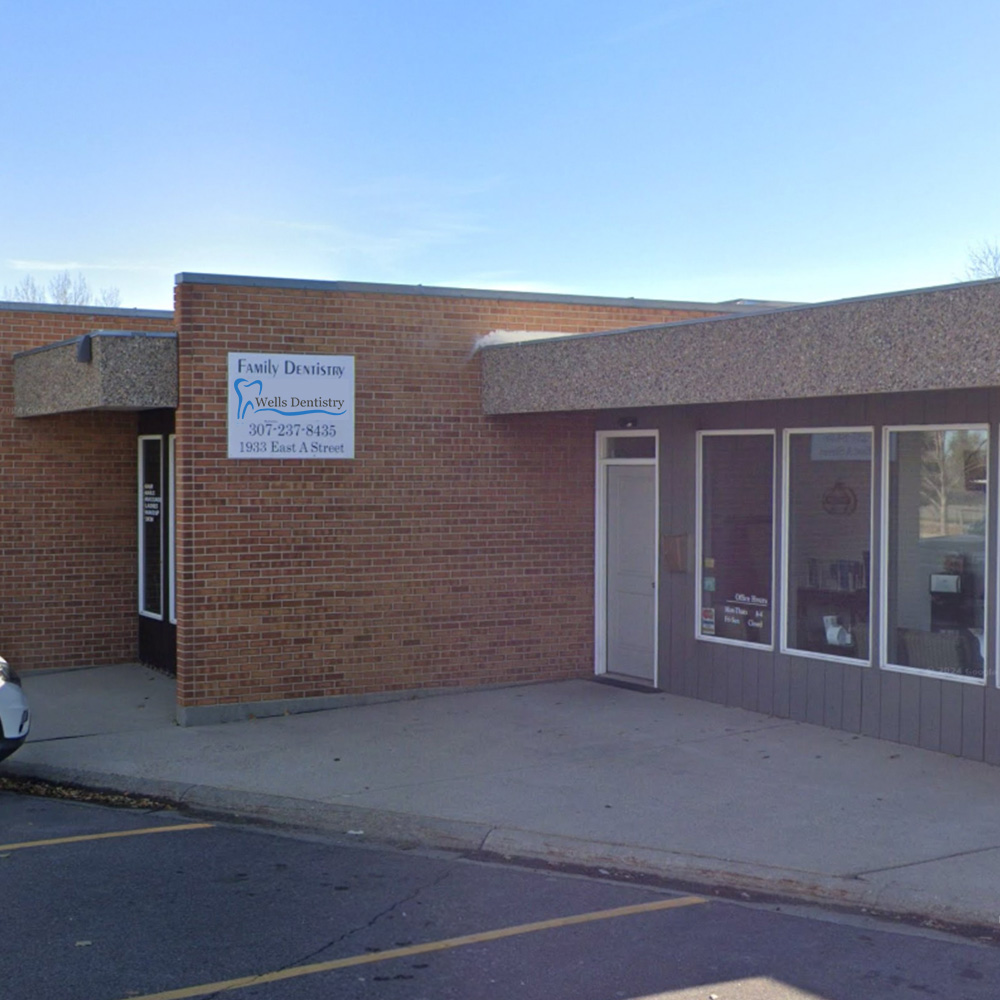
It's time for your check-up!
Scheduling your next visit or getting answers about our comprehensive dental services is simple when you contact Wells Dentistry. Our friendly administrative team is prepared to help you find the perfect appointment time, provide clarity on your treatment plan options, and efficiently manage any billing or insurance questions. We are ready to assist you by phone or via our quick online form. Contact us today and let us partner with you to maintain a healthy, beautiful smile for years to come.