Your oral health is our priority, and sometimes removing a tooth is the most responsible choice to protect the rest of your mouth. Extractions are recommended when a tooth can no longer be preserved with restorative care, when it interferes with proper development, or when it threatens nearby teeth and tissues. The decision to extract is never taken lightly — it follows a careful assessment of the tooth, surrounding bone, and your overall health.
When we recommend removal, our goal is to resolve pain, eliminate infection, or create the best long-term conditions for function and comfort. Modern extraction techniques focus on preserving surrounding structures and minimizing recovery time. In many cases, extraction is the first step toward a healthier, more comfortable outcome for the entire mouth.
Every extraction plan starts with a thorough review of your medical and dental history and a focused clinical exam. We use diagnostic tools, including digital radiographs, to understand root shapes, bone levels, and the relationship to adjacent teeth and nerves. That information helps us choose the safest, least invasive approach for each individual patient.
Primary (baby) teeth that are delayed, damaged, or preventing permanent eruption
Sometimes a primary tooth remains firmly in place when the adult tooth beneath is ready to emerge. If a baby tooth is ankylosed (fused to the bone) or severely decayed, removing it can allow an underlying permanent tooth to come in properly and help prevent future alignment problems.
Permanently damaged teeth that cannot be restored
When decay or trauma destroys most of a tooth's structure or reaches the nerve, there are cases where filling, crown, or root canal therapy are no longer viable. Removing a non-restorable tooth eliminates sources of infection and pain and prevents further harm to neighboring teeth.
Teeth with extensive fractures or compromised roots
A deep crack or root-level damage can leave too little healthy structure to anchor a restoration. If the fracture extends below the gum line or the root is extensively compromised, extraction is often the most predictable option for long-term oral health.
Advanced periodontal disease affecting tooth support
Periodontal disease can reduce the bone and soft tissue that hold teeth in place. When support is severely diminished and teeth cannot be stabilized, extraction may be necessary to preserve overall dental health and prevent ongoing infection.
Wisdom teeth that are impacted, painful, or damaging adjacent teeth
Third molars often have limited space to erupt correctly. Impacted or partially erupted wisdom teeth can trap debris, develop decay, or push on neighboring teeth. Removing problematic wisdom teeth can prevent future complications and protect the alignment of surrounding teeth.
Extractions as part of orthodontic planning
When jaw size and tooth size are mismatched, removing select permanent teeth may be part of an orthodontic plan to create space and achieve a stable, functional bite. This decision is always made in coordination with your orthodontic goals and long-term dental health considerations.

Preparation helps make the procedure smoother and recovery quicker. Before any extraction, we'll review your full medical history, current medications, and any allergies. Certain health conditions or prescriptions can influence the timing of treatment or require coordination with your physician. Full disclosure of your medical history helps us plan the safest care for you.
We will explain any pre-procedure instructions you should follow. This may include guidance about eating or drinking before surgery, taking or pausing certain medications, and arranging transportation if you plan to use dental sedation. Clear instructions are designed to reduce risk and make your visit as comfortable as possible.
If you experience new illness or changes in medication before your appointment, please tell us. We will also discuss options for managing anxiety, from local anesthesia to various levels of dental sedation, so you can choose the approach that best fits your comfort level and medical needs.
Extractions fall into two broad categories based on how accessible the tooth is and how complex the removal will be. Simple extractions are performed on teeth that are visible and have a straightforward root form. Surgical extractions are reserved for broken, impacted, or unusually rooted teeth and may involve small incisions or the selective removal of bone.
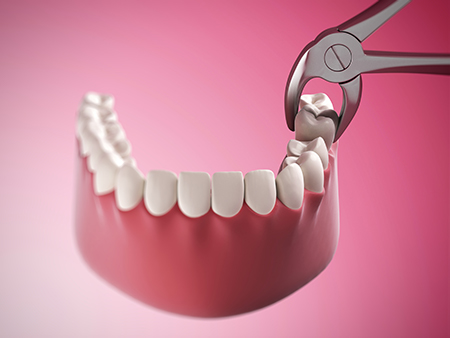
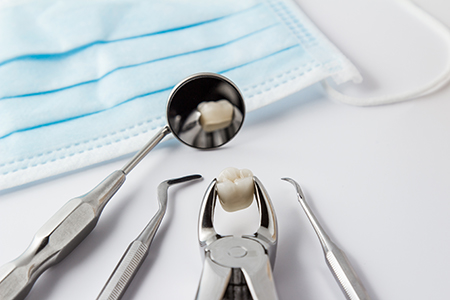
For a simple extraction, the area is numbed with local anesthesia so you'll feel pressure but not pain. The dentist will gently loosen the tooth and remove it with forceps, taking care to protect the surrounding bone and soft tissues. Many simple extractions are completed quickly and with minimal post-operative discomfort.
Surgical extractions are planned for teeth that are not readily accessible or have complex root anatomy. The dentist or an oral surgeon may make a small incision in the gum and, if necessary, remove a bit of bone to free the tooth. These procedures are done under anesthesia and, when appropriate, with sedation to maintain patient comfort. After the tooth is removed, the site is cleaned and closed with sutures when needed.
How you care for the extraction site in the first hours and days can influence healing. We provide specific instructions tailored to the complexity of your surgery, but some general measures apply to most cases. Expect some swelling and mild discomfort for a few days; these symptoms are usually manageable with recommended measures and time.
Rest and gentle activity are often advised during the first 24–48 hours. Avoid strenuous exercise, and follow guidance about eating soft foods, staying hydrated, and keeping the head elevated while resting. Proper oral hygiene — with careful avoidance of the immediate extraction area at first — helps reduce the risk of infection and promotes healing.
Keep your follow-up appointment so we can check healing and remove sutures if necessary. If you notice heavy bleeding, increasing pain, persistent swelling, or other unexpected symptoms, contact the office so we can assess your recovery and intervene if needed.
Manage bleeding with firm, steady pressure
A gauze pad placed over the socket helps a clot form. Bite down gently but firmly and replace gauze as instructed. Some light oozing can continue for up to 24 hours, but sustained, heavy bleeding warrants a call to the office.
Protect the numb tissues
Until sensation returns, be careful not to bite your lips, cheek, or tongue. Avoid hot drinks or food while still numb to prevent burns or other injuries.
Follow medication instructions
Take any prescribed antibiotics or pain medications exactly as directed. Over-the-counter pain relievers can also be effective; follow dosing recommendations and any instructions we provide.
Protect the blood clot
Avoid rinsing vigorously, using straws, or sucking motions for the first couple of days. These actions can dislodge the clot and delay healing.
Control swelling
Apply an ice pack to the outside of your face in short intervals during the first 24 hours to reduce swelling. After the first day, warm compresses can help if swelling persists.
Avoid tobacco
Smoking or using tobacco products can interfere with clot formation and slow healing. Refrain from tobacco use for at least a week after surgery, or as advised.
Choose gentle foods
Stick to soft, cool-to-lukewarm foods for the first few days. Avoid very hot, spicy, or crunchy items that could irritate the socket.
Maintain oral hygiene with care
Brush and floss other areas of your mouth as usual, but be gentle around the extraction site. After 24–48 hours, gentle rinses with a mild saltwater solution can be used to keep the area clean — follow our specific guidance on timing and technique.
Attend follow-up visits
If stitches were placed or your case requires monitoring, keep your scheduled follow-up so we can confirm proper healing and advise on next steps.
The practice emphasizes careful planning, modern techniques, and patient comfort at every stage. Whether an extraction is straightforward or more complex, our team focuses on clear communication, gentle care, and attention to safety. We explain options, answer questions, and tailor pain-control strategies to each patient's needs.
When a tooth is removed, we also discuss appropriate restorative solutions to restore function and appearance. Your options may include temporary or permanent solutions such as dentures, fixed bridges, or dental implants, and we will outline the advantages and clinical considerations of each approach so you can make an informed choice.
Our commitment is to deliver predictable, respectful care that helps you move beyond the immediate problem and toward a stable, healthy smile. We coordinate with specialists when necessary to ensure you receive the level of care best suited to your situation.
In summary, tooth extraction is a common dental procedure performed to protect oral health when preservation is not feasible. If you have questions about extractions or want to learn more about how we approach removal and recovery, please contact us for more information.


A tooth may need removal when preservation is no longer a safe or predictable option. Common reasons include extensive decay or fracture that leaves too little healthy structure to restore, active infection that threatens nearby teeth and tissues, severe periodontal disease that has destroyed supporting bone, or an impacted tooth that cannot erupt properly.
We also recommend extraction when a tooth interferes with development or orthodontic goals, or when a primary tooth is ankylosed and prevents a permanent tooth from emerging. Each recommendation follows a careful clinical exam and diagnostic imaging to determine the most appropriate and least invasive plan for long-term oral health.
Preparation starts with a complete review of your medical and dental history, current medications, and any allergies so we can minimize risks and plan anesthesia or sedation safely. You should tell the team about recent illnesses or changes in medications and follow any specific instructions about eating, drinking, or pausing medications that your provider gives you.
If you expect to receive sedation, arrange transportation and someone to stay with you afterward as needed. We will discuss anesthesia and sedation options to match your comfort level and medical history and provide clear pre-procedure directions to help your visit go smoothly.
A simple extraction is performed on a visible tooth with a straightforward root form and is typically done under local anesthesia so you feel pressure but not pain. The dentist loosens the tooth and removes it with forceps while protecting surrounding tissues, and many simple extractions are completed quickly with minimal recovery time.
A surgical extraction is used for broken, impacted, or unusually rooted teeth and may require a small incision, removal of a bit of bone, or sectioning the tooth to extract it safely. These cases are planned carefully and may involve sedation to ensure comfort, and healing can require sutures and a slightly longer recovery period.
In the first 24 to 48 hours expect some swelling, mild to moderate discomfort, and light bleeding or oozing from the socket as the body forms a clot and begins healing. Rest, ice to control swelling, eating soft foods, and keeping the head elevated will help reduce discomfort and support recovery during the initial phase.
Follow medication instructions and avoid activities that could dislodge the clot, such as vigorous rinsing, using straws, or smoking. Maintain normal oral hygiene but be gentle around the extraction site, attend any scheduled follow-up so we can monitor healing, and contact the office if you experience increased pain, heavy bleeding, or signs of infection.
Dry socket occurs when the blood clot that protects the extraction site is dislodged, exposing bone and nerve endings and causing intense pain, so protecting that clot is the key preventive step. Avoid smoking and tobacco products, do not use straws or perform vigorous suction, and refrain from forceful rinsing for the first 24 to 48 hours after surgery.
Bite on gauze as directed to help the clot form and follow all post-operative instructions regarding oral hygiene and medications. If you experience increasing pain a few days after the extraction, contact the office promptly so we can evaluate the site and provide appropriate treatment to manage discomfort and promote healing.
Removing a tooth can change how your teeth meet and how you chew or speak if the space is left unaddressed for an extended period, since adjacent teeth may drift and the opposing tooth may over-erupt. These changes can alter your bite, place extra stress on neighboring teeth, and, in some cases, affect speech or chewing efficiency.
We discuss restorative timing and options to replace missing teeth, including temporary approaches and long-term solutions such as bridges, dentures, or dental implants. Planning for replacement considers function, esthetics, and the health of surrounding tissues to minimize long-term effects on bite and speech.
No, wisdom teeth are not always removed; they are evaluated on a case-by-case basis depending on space, position, and signs of pathology. If third molars erupt normally, are fully functional, and are easy to clean, we may recommend monitoring them rather than extracting them immediately.
Removal is advised when wisdom teeth are impacted, recurrently infected, causing pain, damaging adjacent teeth, or contributing to orthodontic concerns. Your dentist will use clinical examination and radiographs to determine whether removal is the most prudent option for your long-term oral health.
Primary teeth that are delayed, severely decayed, or ankylosed (fused to the bone) can prevent permanent teeth from erupting correctly, so extraction of a problematic baby tooth may be recommended to allow the adult tooth to emerge. We coordinate the timing of any extraction with growth and development considerations to help avoid future alignment problems.
For pediatric patients we use age-appropriate behavior management, local anesthesia, and, when necessary, mild sedation to ensure a calm, safe experience. We also work with or refer to pediatric dentists and orthodontists when a child’s case requires specialized follow-up or long-term monitoring.
Common short-term issues include swelling, bruising, minor bleeding, and transient discomfort, which are typically managed with standard aftercare and medications. Although uncommon, complications can include infection, prolonged bleeding, delayed healing, or nerve irritation, particularly in complex surgical cases or when adjacent nerves are very close to the extraction site.
We reduce risks through thorough diagnostics, careful surgical technique, and by tailoring anesthesia and sedation to each patient’s medical history. You should contact the office if you notice worsening pain, persistent bleeding, numbness that does not resolve, fever, or any signs of infection so we can assess and treat the problem promptly.
We consider a referral when a case involves complex anatomy, severe impaction, proximity to important nerves or sinuses, or medical conditions that increase procedural risk. Referrals are also appropriate when multidisciplinary care will improve outcomes, such as coordinating with oral surgeons, periodontists, or orthodontists for comprehensive treatment planning.
When a referral is recommended, we coordinate care and share diagnostic information to ensure a seamless transition and consistent treatment goals. Our priority is to ensure you receive the safest, most effective care, whether the extraction is managed in our office or by a trusted specialist.
Our office emphasizes careful planning, modern diagnostic tools like digital radiographs, and patient comfort to deliver predictable, respectful care throughout the extraction process. Dr. Jessica Wells and the team focus on clear communication about options, pain-control strategies, and post-operative instructions so patients understand each step and feel supported.
We also discuss appropriate restorative choices after extraction and coordinate with specialists when a case requires advanced expertise, all with the goal of restoring function and long-term oral health. If you have questions about an upcoming extraction or need personalized guidance, we encourage you to reach out to the practice to discuss your situation.
It's time for your check-up!
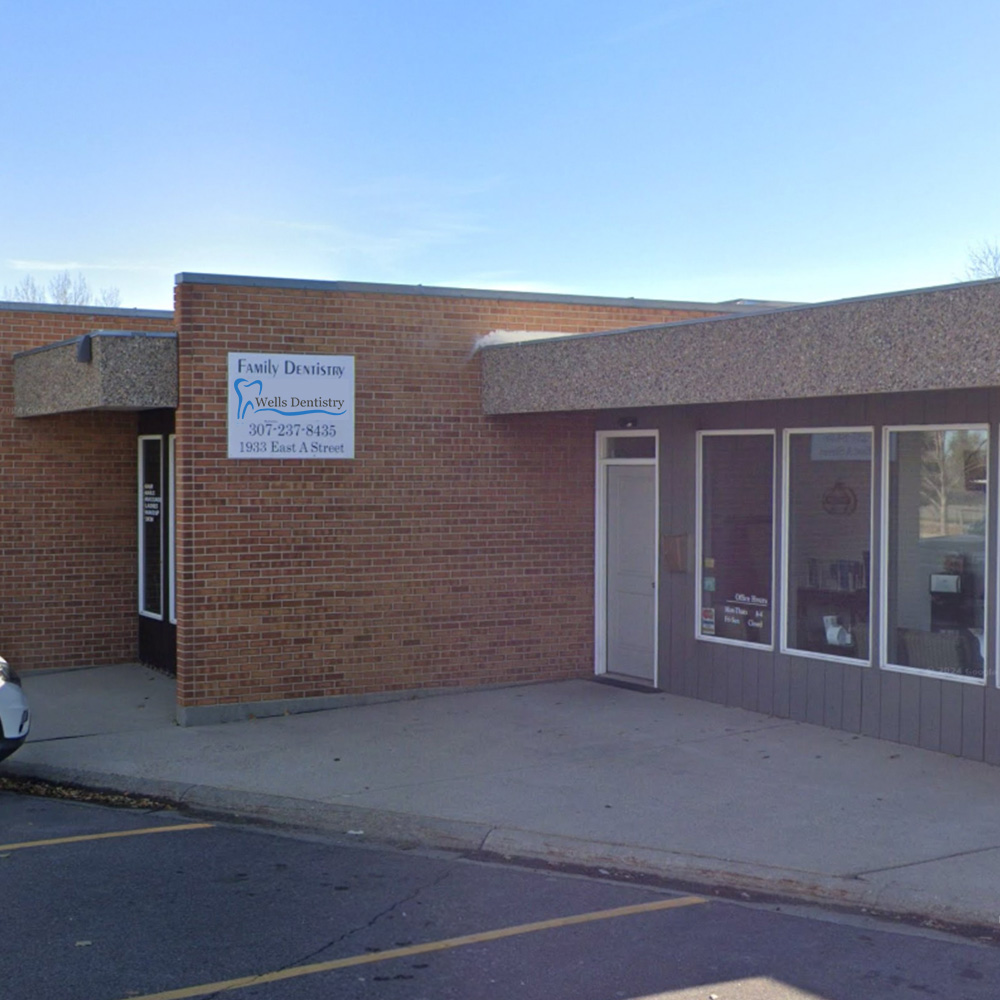
Scheduling your next visit or getting answers about our comprehensive dental services is simple when you contact Wells Dentistry. Our friendly administrative team is prepared to help you find the perfect appointment time, provide clarity on your treatment plan options, and efficiently manage any billing or insurance questions. We are ready to assist you by phone or via our quick online form. Contact us today and let us partner with you to maintain a healthy, beautiful smile for years to come.