If multiple dental issues have left your smile feeling fragile or uncomfortable, a coordinated, full-mouth approach can restore both function and confidence. Full mouth reconstruction is not a single treatment but a carefully planned sequence of procedures aimed at repairing and replacing damaged or missing teeth while reestablishing a comfortable bite and healthy oral tissues. Our team focuses on thoughtful planning, predictable techniques, and clear communication so patients understand each step and feel supported throughout the process.
At its core, full mouth reconstruction is dentistry viewed as a whole-system repair rather than a series of isolated fixes. Instead of treating one tooth at a time, the clinician examines how the teeth, gums, jaw joints, bite position, and facial aesthetics interact. The objective is to restore reliable chewing, natural appearance, and oral comfort while addressing underlying causes — such as wear from grinding, missing teeth, or long-standing decay — that have compromised the smile over time.
This approach blends restorative and cosmetic techniques. Restorations such as crowns, bridges, implants, and dentures may be combined with periodontal therapy, orthodontic alignment, or minor surgical procedures when necessary. The emphasis is on long-term stability: choosing materials and methods that hold up under everyday function and contribute to overall oral health rather than providing only short-term cosmetic improvement.
Communication is a central element of success. Patients receive a clear explanation of the goals, the order of treatments, and what to expect at each visit. By framing the reconstruction as a stepwise plan, patients can make informed decisions about timing and priorities while the dental team manages the technical complexity behind the scenes.
Full mouth reconstruction is typically considered when a person’s dental problems are multiple, interrelated, and significantly affect comfort or function. Common indicators include severe tooth wear or fractures, multiple missing teeth, chronic pain in the jaw or bite, frequent restorative failures, or difficulty chewing and speaking. When these issues occur together, addressing them piecemeal often leaves the underlying problem unresolved.
Another reason to pursue a comprehensive plan is recurrent dental disease that impacts more than one area of the mouth. For example, widespread decay or advanced periodontal disease can leave the remaining teeth vulnerable; coordinated treatment aims to stabilize the health of the surrounding tissues and prevent future breakdown. Individuals with a history of dental trauma, congenital dental anomalies, or systemic conditions affecting oral health may also benefit from a reconstruction tailored to their needs.
A careful diagnostic process helps determine candidacy. This usually includes a full-mouth examination, digital imaging, bite analysis, and sometimes referral consultations with specialists such as periodontists or oral surgeons. The goal is to identify the root causes of the problems and design a plan that reduces the risk of recurrence while meeting the patient's functional and aesthetic expectations.
Every full mouth reconstruction starts with a customized plan. We consider health history, smile goals, daily habits, and the practical realities of patients’ schedules. Treatment sequencing is designed to build predictable outcomes: stabilizing infection and inflammation first, restoring structural integrity next, and refining appearance and bite alignment in the final phases. This staged process helps patients experience steady improvement while minimizing unnecessary downtime.
Modern digital tools play a key role in planning. Intraoral scans, digital radiography, and virtual treatment simulations allow clinicians to visualize final results and create precise guides for restorative and surgical procedures. These technologies increase accuracy and reduce guesswork, which translates to fewer surprises during the course of treatment and a smoother transition from temporary restorations to the finished smile.
Equally important is collaboration. When a case requires specialized care — such as extensive periodontal therapy, orthodontic movement, or advanced implant surgery — the dentist coordinates with trusted colleagues to sequence treatments efficiently. This collaborative model ensures that each component of the reconstruction supports the others, producing a cohesive outcome that addresses both form and function.
A full mouth reconstruction often combines a variety of restorative and supportive procedures. Crowns and bridges restore tooth structure and protect weakened teeth, while dental implants provide a long-term solution for missing teeth and help preserve jawbone. Partial or full dentures remain a reliable option for patients seeking removable restoration, particularly when multiple teeth are absent.
Periodontal therapy is frequently a necessary part of the plan when gum disease threatens tooth support. Treating active infection and establishing healthy tissue is a prerequisite for predictable restorative work. In some cases, minor surgical procedures — such as bone grafting or soft tissue grafts — may be recommended to rebuild the foundation needed for implants or to improve long-term stability.
Orthodontic alignment can be integrated when bite relationship or tooth position compromises function or aesthetics. Even limited tooth movement, achieved with clear aligners or braces, can make restorative treatments more successful and conservative by creating space for restorations and correcting premature contact patterns that cause wear.
Recovery from a full mouth reconstruction varies with the types and number of procedures performed, but good oral hygiene and adherence to post-operative instructions are universal to successful healing. Patients are given detailed care guidelines specific to their treatments — for example, soft diets after surgical procedures, gentle cleaning techniques around surgical sites, and follow-up visits to monitor progress and adjust temporary restorations as needed.
Long-term success depends on regular maintenance. Preventive checkups, professional cleanings, and routine monitoring help detect early signs of wear or complications so they can be managed conservatively. Night guards or occlusal guards may be prescribed for patients who clench or grind, protecting restorations and natural teeth from excessive forces that can undermine the reconstruction.
Because a comprehensive restoration is intended to last for many years, ongoing communication with the dental team is important. If changes in health, medication, or habits occur, informing the provider ensures that maintenance strategies are adapted appropriately. With proper care, many patients enjoy substantial improvements in comfort, function, and smile confidence that stand the test of time.
Wells Dentistry approaches full mouth reconstruction with a focus on predictable outcomes and patient-centered care. If you are considering a comprehensive approach to restore your smile, our team is ready to evaluate your needs and outline a clear, personalized plan. Contact us for more information or to schedule a consultation with one of our clinicians.


Full mouth reconstruction is a comprehensive approach to restoring the health, function, and appearance of the entire mouth rather than treating individual problems in isolation. It combines restorative, periodontal, prosthetic, and sometimes orthodontic or surgical procedures into a coordinated plan designed to reestablish a comfortable bite and reliable chewing. The goal is long-term stability and oral comfort, using durable materials and evidence-based techniques to address the underlying causes of breakdown.
A reconstruction may include crowns, bridges, implants, dentures, periodontal treatment, and minor surgical interventions as needed to rebuild the supporting structures. Treatment is staged so patients can experience progressive improvement while the team manages technical complexity behind the scenes. Clear communication about goals, sequencing, and expected outcomes is an essential part of the process.
Candidates are patients whose dental issues are multiple, interrelated, and negatively affect comfort, chewing, speech, or appearance. Common indicators include severe tooth wear or fractures, multiple missing teeth, recurrent restorative failures, chronic jaw pain, or advanced gum disease that compromises tooth support. When problems span both function and structure, addressing them piecemeal often leaves the root causes unresolved and creates ongoing risk for further breakdown.
A careful diagnostic workup determines candidacy and helps prioritize treatments: medical and dental history, full-mouth examination, imaging, and bite analysis provide the information needed to design a tailored plan. Patients with a history of dental trauma, congenital anomalies, or systemic conditions that affect oral health can also benefit from a coordinated reconstruction. The decision to proceed is based on clinical need, realistic goals, and a staged plan that balances health, function, and aesthetics.
Thorough diagnostics form the foundation of a predictable reconstruction plan and typically include a comprehensive oral exam, diagnostic radiographs, and digital imaging such as intraoral scans and cone-beam or panoramic x-rays when indicated. Bite analysis and evaluation of the temporomandibular joints help determine how the teeth, jaws, and muscles interact, while periodontal assessment identifies any gum or bone disease that must be treated first. These data points are combined to identify the root causes of wear, misalignment, or breakdown and to guide restorative choices.
Virtual treatment planning and surgical guides are often used to increase precision and reduce surprises during treatment, allowing clinicians to simulate final outcomes and sequence steps efficiently. When specialized care is needed, coordinated consultations with periodontists, oral surgeons, or orthodontists ensure each component supports the overall objective. The result is a clear, stepwise plan patients can review and discuss before treatment begins.
A full mouth reconstruction often integrates a mix of restorations and supportive therapies to rebuild form and function, including crowns and fixed bridges to restore tooth structure and protect weakened teeth. Dental implants replace missing teeth and help preserve jawbone, while partial or complete dentures provide removable alternatives when appropriate. Periodontal therapy, such as scaling and root planing or surgical procedures, is frequently needed to establish healthy tissues before definitive restorations are placed.
Additional procedures may include bone or soft tissue grafting to create a stable foundation for implants, limited orthodontic treatment to improve tooth position, and endodontic therapy when teeth require internal treatment. The specific combination of therapies depends on the diagnostic findings and the long-term goals for function and aesthetics. Sequencing these procedures carefully helps minimize complications and supports predictable, durable outcomes.
The timeline for full mouth reconstruction varies widely and depends on the complexity of the case, the need for healing after surgical procedures, and whether orthodontic movement is required. Some patients complete major restorative phases over several months, while more complex cases that include bone grafting, implants, or orthodontics may take a year or longer to reach final restorations. A phased approach allows initial stabilization and provisional restorations while definitive work is planned and executed.
Temporary restorations play an important role in allowing patients to test function and aesthetics before final prostheses are fabricated, and follow-up adjustments are built into the schedule to refine the bite and appearance. Regular progress reviews and communication with the dental team help keep the plan on track and adapt timing to the patient’s healing and lifestyle needs. Your clinician will outline a personalized timeline during the diagnostic and planning visit.
Recovery expectations depend on the specific procedures performed but commonly include a period of mild to moderate discomfort after surgical or invasive treatments, managed with prescribed or over-the-counter pain control and recommended home care. Patients are given detailed, procedure-specific instructions such as dietary modifications, gentle oral hygiene techniques around surgical sites, and signs to watch for that would prompt earlier review. Follow-up visits are scheduled to monitor healing, adjust provisional restorations, and plan subsequent stages.
Long-term success also depends on routine maintenance: professional cleanings, periodic examinations, and imaging as needed help detect early signs of wear or complications so problems can be treated conservatively. For patients who clench or grind, occlusal guards may be recommended to protect natural teeth and restorations from excessive forces. Keeping the dental team informed about changes in health, medications, or habits ensures maintenance strategies remain effective over time.
Dental implants are a foundational option for replacing missing teeth within a full mouth reconstruction because they replace tooth roots and help preserve jawbone integrity. Implants can support single crowns, multiunit bridges, or implant-retained dentures, providing stability and function that closely mimic natural teeth. When bone volume is insufficient, grafting procedures may be performed first to create a reliable foundation for later implant placement.
The implant process typically proceeds in stages: site preparation and grafting if needed, implant placement, a healing period for osseointegration, and finally attachment of the prosthetic tooth or bridge. Proper planning and precise surgical execution are essential, and digital workflows often improve predictability by guiding implant placement relative to planned restorations. Coordination with specialists is used when advanced surgical skills are required.
Yes. Full mouth reconstruction is designed to address both functional problems and aesthetic concerns by rebuilding tooth structure, restoring proper bite relationships, and aligning the teeth to complement facial proportions. Restorative materials and finishing techniques are selected to match color, shape, and translucency for a natural-looking result, and provisional restorations allow patients to evaluate cosmetic changes before final fabrication. Attention to smile design helps ensure the reconstructed teeth harmonize with the lips and facial features.
When minor orthodontic movement or periodontal procedures are needed to optimize aesthetics and stability, these are integrated into the overall plan so that cosmetic improvements do not compromise function. The final outcome aims to deliver a comfortable bite, reliable chewing efficiency, and a confident smile that meets the patient’s goals. Ongoing maintenance preserves both appearance and function over the long term.
Protecting restorations begins with good daily oral hygiene, including brushing with a nonabrasive fluoride toothpaste, flossing, and following any special cleaning instructions for prostheses or implant-supported work. Regular dental checkups and professional cleanings allow early detection of wear, loose restorations, or tissue changes so preventive steps can be taken. Lifestyle habits such as avoiding hard or excessively chewy foods and limiting behaviors like nail-biting or using teeth as tools also reduce risk to restorations.
For patients who clench or grind, an occlusal guard worn at night can substantially reduce destructive forces that lead to premature failure of restorations. The dental team will recommend individualized protective measures and a maintenance schedule based on the types of restorations placed and the patient’s functional patterns. Consistent care and prompt attention to concerns protect the investment in oral health and extend the lifespan of the reconstructed smile.
At the initial consultation you can expect a comprehensive review of your medical and dental history, a full-mouth examination, diagnostic imaging as needed, and a discussion of your goals and concerns. The clinician will explain diagnostic findings, outline potential treatment pathways, and describe the recommended sequence of procedures so you understand how each phase contributes to the final outcome. Time is set aside to answer questions and to review provisional options and maintenance expectations.
The practice coordinates care by developing a staged treatment plan and, when appropriate, collaborating with trusted specialists such as periodontists, oral surgeons, or orthodontists to ensure each component supports the overall objective. Communication and scheduling are managed to reduce treatment time and avoid unnecessary delays while maintaining clinical quality. Wells Dentistry emphasizes patient-centered planning and predictable techniques so individuals feel informed and supported throughout the reconstruction process.
Before any work begins, you will receive a clear explanation of the next steps and scheduled follow-ups to monitor progress and refine results as needed. This collaborative, stepwise approach helps patients balance treatment with daily life and ensures that clinical decisions are made with long-term stability and oral health in mind. If you are considering a comprehensive restoration, a consultation is the best way to determine a personalized plan based on your specific needs.
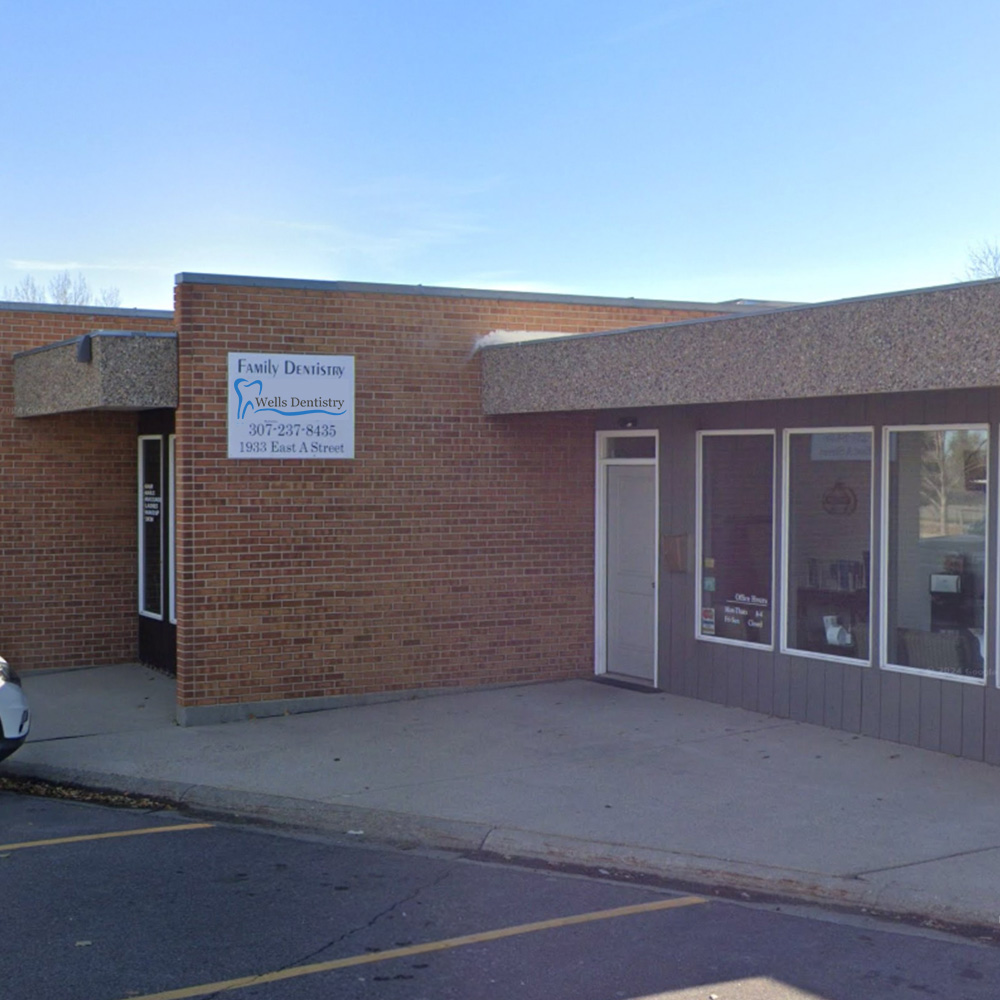
It's time for your check-up!
Scheduling your next visit or getting answers about our comprehensive dental services is simple when you contact Wells Dentistry. Our friendly administrative team is prepared to help you find the perfect appointment time, provide clarity on your treatment plan options, and efficiently manage any billing or insurance questions. We are ready to assist you by phone or via our quick online form. Contact us today and let us partner with you to maintain a healthy, beautiful smile for years to come.