Tooth loss changes more than just the way a smile looks — it affects chewing, speech, and the long-term health of the jaw. Dental implants provide a durable, biologically sound way to replace missing teeth so patients can return to everyday activities without compromise. Modern implant systems are designed to integrate with the jawbone, offering a foundation for lifelike crowns, bridges, or full-arch restorations that behave much like natural teeth.
Implants are appropriate for many people who want a long-term solution rather than removable prosthetics. Because they restore the missing root as well as the visible tooth, implants help preserve bone and facial contours that otherwise deteriorate after extractions. The result is improved function, a more comfortable fit, and a smile that appears natural from every angle.
At our Casper practice, we focus on predictable outcomes by combining careful planning with technology and proven surgical techniques. Each patient’s treatment plan is tailored to their oral health, anatomy, and goals so the final restoration meets both functional and esthetic expectations.

Dental implants are titanium or zirconia posts placed into the jaw to serve as artificial tooth roots. Once the implant bonds with the surrounding bone — a process known as osseointegration — it becomes a stable anchor for a crown, bridge, or denture. This root-like support is the reason implant-supported teeth move, chew, and feel closer to natural teeth than most other tooth-replacement options.
Because the implant transfers chewing forces into the bone, it helps preserve bone volume over time. Preserving bone contributes to a natural facial profile and reduces the sunken appearance that can occur with long-term tooth loss. For many patients, this combination of form and function is a decisive benefit when choosing implants.
An implant restoration has three main elements: the implant body (the post in the bone), an abutment (the connection piece), and the visible prosthesis (crown, bridge, or denture). Each piece is planned and manufactured to interact precisely so the restoration is secure, comfortable, and aesthetic. Advances in digital planning and restorative materials have improved fit and appearance while shortening overall treatment timelines.
Compared with removable options, implant-based restorations often deliver greater stability and a more natural feel. Many patients report easier eating, clearer speech, and increased confidence when implants replace missing teeth. From a clinical standpoint, implants preserve neighboring tooth structure because they don’t require grinding down adjacent teeth the way traditional bridges sometimes do.
Additional benefits include long-term durability when placed and maintained properly, resistance to decay at the implant site, and the ability to support a broad range of restorative designs — from single crowns to full-arch bridges. Implant-retained solutions can also improve denture retention and comfort for patients who struggle with slipping prostheses.
Determining candidacy for dental implants begins with a comprehensive evaluation of oral health, bone volume, and overall medical history. Good candidates typically have healthy gum tissue and sufficient jawbone to support an implant or can receive bone grafting to build the necessary foundation. Habits like smoking and certain medical conditions may influence the treatment plan but do not automatically exclude patients.
During your consultation, the provider will review imaging, discuss your goals, and outline realistic options. The aim is to create a plan that balances long-term success with your comfort and cosmetic expectations. If implants are recommended, the team will explain the anticipated sequence of care and any preparatory steps that may be needed.
Successful implant therapy starts with careful planning. Digital imaging and study models help the clinician determine optimal implant positions and prosthetic designs. This planning phase ensures surgical placement supports the final restoration’s shape, color, and function.
Surgical placement is generally performed on an outpatient basis. Depending on the case, sedation or local anesthesia can be used to help patients remain relaxed and comfortable. After placement, a healing period allows the implant to integrate with the bone — typically several months — although some protocols allow for immediate provisional restorations when conditions permit.
Following integration, the abutment and final prosthesis are fabricated and fitted. Our restorative focus is on precise occlusion, comfortable contours, and natural appearance. Throughout the process, post-op instructions and follow-up appointments ensure healing progresses as planned and the restoration functions properly.
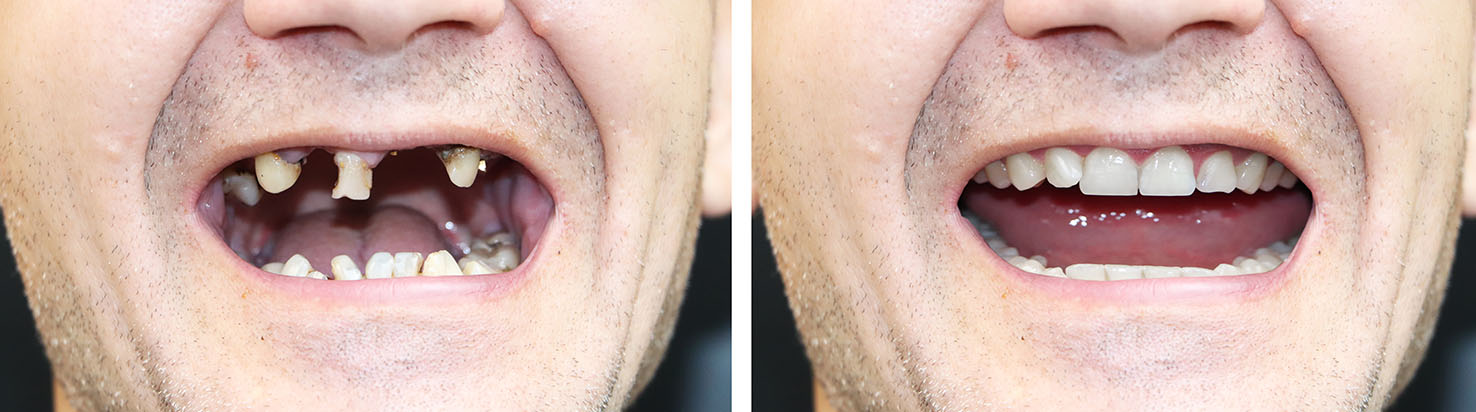
Bone loss after tooth extraction or from periodontal disease is common and can reduce the available support for implants. Bone grafting rebuilds lost volume so implants can be placed in a stable environment. Grafting materials and techniques vary; your clinician will recommend an approach that best suits your anatomy and timeline.
Grafting may be performed at the time of extraction, before implant placement, or simultaneously with implant surgery depending on the situation. When successful, grafting increases the likelihood of predictable implant integration and a durable long-term outcome.
A thoughtful implant program emphasizes clear communication, individualized planning, and ongoing support. Before any procedure begins, you’ll receive a detailed overview of the recommended steps, healing expectations, and maintenance needed to maximize the life of your restoration. Good oral hygiene and regular dental visits are essential for long-term success.
At Wells Dentistry, we combine clinical experience with modern tools to deliver implant care that prioritizes predictable function and natural appearance. Our team collaborates to manage surgical placement, prosthetic design, and follow-up care so patients can feel confident every step of the way.
If you’re ready to learn more about implant dentistry or want a personalized assessment of your options, contact us for more information. We’re happy to answer questions and help you determine the best path to restore a healthy, functional smile.
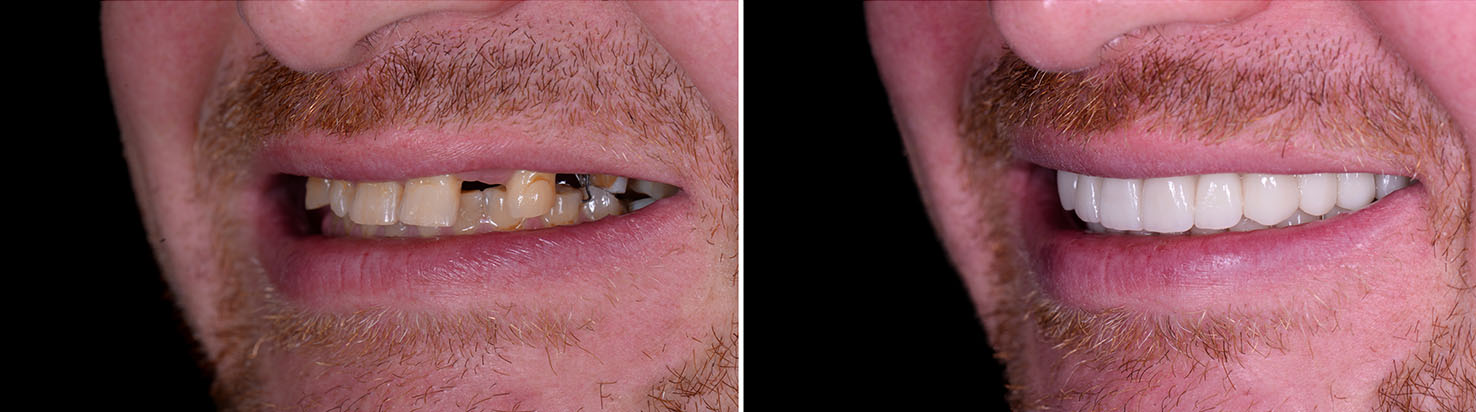


Dental implants are small posts, typically made from titanium or zirconia, that are placed into the jawbone to act as artificial tooth roots. Over time the implant fuses with the surrounding bone in a process called osseointegration, creating a stable foundation for a crown, bridge, or denture. This root-like support allows implant restorations to function much like natural teeth for chewing and speaking.
Once integrated, an implant transfers chewing forces into the jawbone, which helps maintain bone volume and facial contours. The visible restoration is custom-made to match surrounding teeth in shape and color so the final result appears natural. Implant therapy restores both the missing tooth structure and the underlying support that preserves oral health after tooth loss.
Implant-supported restorations generally provide greater stability than removable dentures, reducing movement and improving confidence while eating and speaking. Because implants replace the tooth root, they help preserve jawbone and support facial structure in ways that conventional dentures cannot. Implant solutions also avoid altering healthy adjacent teeth, which can be necessary when placing traditional bridges.
Many patients notice improved chewing efficiency and clearer speech with implant restorations, which contributes to overall quality of life. Implants are resistant to decay at the implant site and can support a wide range of prosthetic designs from single crowns to full-arch restorations. With proper care, implants offer a predictable and durable option for long-term tooth replacement.
Candidacy for dental implants depends on a combination of oral health, bone volume, and general medical history rather than age alone. Good candidates typically have healthy gums and sufficient jawbone to support an implant, although bone grafting can often be performed to rebuild volume when needed. Certain medical conditions and habits, such as uncontrolled diabetes or tobacco use, can influence treatment planning and may require additional precautions.
A comprehensive evaluation including a clinical exam and imaging is essential to determine suitability and to design an individualized plan. Your provider will review your goals, medical history, and available restorative options to recommend the best path forward. When implants are appropriate, the care team outlines the sequence of treatment and any preparatory steps that may be required.
Treatment begins with careful planning using clinical exams and imaging to determine ideal implant positions that will support the final restoration. Surgical placement of the implant is commonly performed on an outpatient basis with local anesthesia and, when appropriate, sedation to help patients remain comfortable. After placement a healing interval allows the implant to integrate with bone; the timing of this phase varies based on individual healing and the clinical protocol used.
Following osseointegration, an abutment is attached and the final prosthesis is fabricated to achieve proper occlusion and esthetics. The process may include temporary restorations to maintain appearance and function during healing. At Wells Dentistry the team emphasizes clear communication and follow-up care to monitor healing and ensure the restoration performs as intended.
Healing timelines vary, but most patients experience an initial soft-tissue recovery within one to two weeks and continue to integrate bone over several months. The phase of osseointegration, when the implant bonds with bone, typically takes a few months depending on the clinical situation and bone quality. Some treatment protocols allow for immediate or early provisional restorations when conditions are favorable, which can shorten the period a patient is without teeth.
During the first days after surgery patients should follow post-operative instructions to manage swelling and discomfort and to protect the surgical site. Regular follow-up visits allow the clinician to assess healing and determine when it is appropriate to proceed with the final restoration. Adherence to oral hygiene recommendations and dietary guidance supports predictable healing and long-term success.
Bone grafting is recommended when jawbone volume is insufficient to securely place an implant, which can result from prior tooth loss, trauma, or periodontal disease. Grafting materials and techniques vary; options include autografts, allografts, xenografts, and synthetic substitutes chosen to suit the patient’s anatomy and clinical timeline. Grafting can rebuild lost volume and improve the likelihood of successful osseointegration and long-term implant stability.
Bone augmentation may be performed at the time of extraction, prior to implant placement, or concurrently with implant surgery depending on the case. Healing after grafting requires additional time for the graft material to integrate and mature before final implant placement in some protocols. Your clinician will explain the recommended approach, expected healing timeline, and how grafting influences the overall treatment plan.
Implant restorations are highly versatile and include single crowns, implant-supported bridges, fixed full-arch prostheses, and implant-retained overdentures. A single crown replaces one missing tooth without affecting neighboring teeth, while an implant-supported bridge can replace multiple adjacent teeth using fewer implants than individual crowns. Fixed full-arch solutions attach a permanent prosthesis to several implants to restore an entire upper or lower arch with stable, non-removable teeth.
Implant-retained overdentures offer enhanced retention for removable prostheses by snapping onto two or more implants to reduce slipping and improve comfort. The choice of restoration depends on the number and location of missing teeth, bone availability, esthetic goals, and functional needs. Your clinician will discuss the advantages of each option and help select a design that balances durability, maintenance, and appearance.
Long-term success of implants relies on consistent home care and regular professional maintenance much like natural teeth. Daily brushing and flossing around implant restorations, along with periodic use of interdental cleaners where appropriate, help control plaque and reduce the risk of peri-implant inflammation. Routine dental exams and radiographs allow the team to monitor bone levels, soft tissue health, and the condition of the prosthesis so any issues can be addressed early.
A healthy lifestyle and avoidance of tobacco products support healing and reduce complications that can jeopardize implant longevity. If you use an implant-retained denture, the clinician will review insertion and removal techniques and recommend a maintenance schedule tailored to your restoration. Consistent follow-up care is the foundation of predictable, long-term implant performance.
As with any surgical procedure, dental implant therapy carries risks including infection, failure of osseointegration, nerve injury, and sinus complications in the upper jaw when anatomy is close to implant sites. These complications are relatively uncommon and can often be minimized through comprehensive assessment, careful surgical technique, and adherence to post-operative instructions. Certain factors such as inadequate bone, untreated periodontal disease, smoking, or uncontrolled systemic conditions can increase the likelihood of problems and will be considered during planning.
If complications occur, prompt evaluation and appropriate management are important to protect oral health and salvage the situation when possible. Follow-up care and routine monitoring help detect early signs of trouble so corrective steps can be taken. Your clinician will review potential risks and expected outcomes during the consultation so you can make an informed decision about treatment.
Modern implant care often incorporates digital tools such as cone-beam computed tomography (CBCT) and computer-guided surgery to enhance diagnostic accuracy and surgical precision. Digital impressions and CAD/CAM workflows enable more precise prosthetic designs and predictable fits for crowns and bridges, shortening laboratory time and improving esthetic outcomes. Guided surgical templates translate virtual plans to the operative field, helping the clinician place implants in optimal positions for long-term function and ease of restoration.
The integration of digital planning also facilitates clearer patient communication by allowing visualization of proposed outcomes and treatment stages. Advanced imaging supports risk assessment, identification of vital structures, and selection of appropriate implant sizes and angulations. The office of Wells Dentistry uses these technologies as part of a thorough planning process to support predictable implant therapy and informed decision-making.
It's time for your check-up!
Scheduling your next visit or getting answers about our comprehensive dental services is simple when you contact Wells Dentistry. Our friendly administrative team is prepared to help you find the perfect appointment time, provide clarity on your treatment plan options, and efficiently manage any billing or insurance questions. We are ready to assist you by phone or via our quick online form. Contact us today and let us partner with you to maintain a healthy, beautiful smile for years to come.