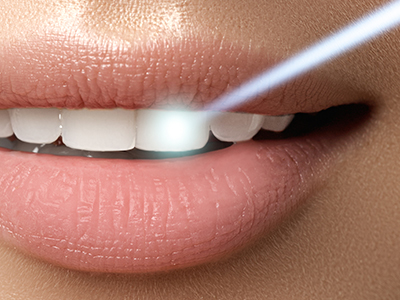
Laser dentistry uses focused light energy to interact with oral tissues in precise, controlled ways. Different types of dental lasers are designed for soft tissue (gums, oral mucosa) or hard tissue (enamel and dentin), and each operates at a specific wavelength that determines how it’s absorbed by water, pigment, or mineral in the tooth or gum. The device converts electrical energy into a laser beam, which clinicians aim carefully at the treatment site to cut, vaporize, or stimulate tissue without the mechanical contact of traditional instruments.
Because laser energy targets microscopic water molecules and chromophores in tissue, it can remove or reshape tissue with remarkable accuracy. Hard-tissue lasers ablate decay by rapidly heating and expanding water in the tooth structure, while soft-tissue lasers coagulate and sculpt gum tissue with minimal bleeding. This physics-based approach allows for treatments that feel different from conventional drills and scalpels—often quieter and less jarring for patients.
While lasers are powerful tools, their effects are governed by wavelength, power settings, and clinical technique. A properly trained dental team carefully selects the right device and parameters for each procedure to balance precision with safety. For many patients, this results in a less invasive experience and a treatment tailored to the clinical need rather than a one-size-fits-all approach.
Lasers are versatile across a range of dental applications. In soft-tissue care they treat gum disease by removing infected tissue and promoting a cleaner environment for healing; they can perform biopsies, remove small oral lesions, reshape gingival contours for esthetic improvements, and complete frenectomies with minimal bleeding. For hard tissues, lasers assist in preparing cavities, disinfecting root canals, and in some cases, activating whitening agents to accelerate in-office bleaching treatments.
Beyond treatment, lasers are used for diagnostic and supportive roles. Some wavelengths help detect early caries or bacterial reservoirs in periodontal pockets, while others reduce sensitivity by sealing dentinal tubules. They also shorten certain chairside steps—such as coagulating tissue during minor oral surgery—so follow-up care can be simpler for patients who prefer minimal disruption to their daily routines.
It’s important to remember that not every procedure calls for a laser. Clinicians evaluate each case to decide when laser therapy complements conventional techniques and when traditional instruments remain the best choice. When integrated thoughtfully, lasers extend clinicians’ options and can improve outcomes for carefully selected indications.
One of the most noticeable benefits patients report is a gentler experience. Laser procedures typically produce less vibration and noise compared with high-speed drills, and many soft-tissue treatments are conducted with reduced or even no local anesthesia. Because lasers can seal small blood vessels and nerve endings as they work, patients often experience less bleeding, swelling, and post-procedure discomfort, which can translate to shorter recovery times.
Healing after laser treatment may also be more efficient. The coagulative effect of certain lasers promotes a clean surgical site and can reduce the need for sutures, while photobiomodulation lasers are used to stimulate cellular activity and support tissue repair. These properties can be especially helpful for medically complex patients or those who are anxious about traditional surgery, although clinician judgment is always paramount in determining suitability.
Despite these advantages, clinicians provide clear post-procedure guidance tailored to the specific treatment. Patients may still need to follow standard aftercare—such as avoiding certain foods, maintaining gentle oral hygiene, and attending follow-up visits—to ensure optimal healing and long-term success.
Safety is central to any laser procedure. Modern dental practices follow strict protocols that include staff training, proper eye protection for everyone in the room, and device-specific safety measures to prevent unintended tissue exposure. Dental lasers are medical devices that require understanding of wavelengths, power settings, and delivery techniques; competent clinicians undergo specialized training and certification to use them responsibly.
Clinicians also evaluate contraindications and patient-specific factors—such as medical history, medication use, and oral anatomy—before recommending laser therapy. Some lasers are FDA-cleared for particular indications, and clinicians stay current with technology updates and best-practice guidelines to ensure treatments are supported by evidence and consistent with professional standards.
In addition to operator skill, the quality of outcomes depends on routine maintenance and calibration of equipment. A well-maintained laser, used by an experienced team, reduces the risk of complications and helps ensure predictable results that integrate smoothly with other restorative and preventive care.
Although lasers offer clear advantages in many scenarios, they are not a universal substitute for conventional instruments. Certain restorative procedures, particularly those requiring large-scale removal of tooth structure or precise mechanical shaping for crowns and bridges, still rely on rotary instruments and established techniques. Similarly, the choice to use a laser is a clinical decision based on the condition being treated, patient preferences, and overall treatment goals.
When lasers are appropriate, they are used as part of a comprehensive plan rather than as a standalone solution. Effective dental care often combines laser therapy with diagnostics, traditional periodontal therapy, restorative materials, and preventive strategies to address both immediate needs and long-term oral health. This integrated approach helps preserve natural tooth structure, reduce complications, and support lasting outcomes.
Open communication with the dental team is the best way for patients to understand whether laser therapy fits their situation. Clinicians explain the expected benefits and limitations, outline alternatives, and recommend the optimal sequence of treatments to protect oral health while meeting each patient’s functional and esthetic goals.
At Wells Dentistry, our team evaluates each case individually to determine whether laser technology can enhance comfort, precision, and healing. If you’re curious about how laser dentistry might apply to your care, we encourage you to contact us for more information and a personalized consultation.


Laser dentistry uses concentrated light energy to interact with oral tissues in precise ways, enabling cutting, vaporizing, or stimulating tissue without mechanical contact. Different lasers emit specific wavelengths that are absorbed by water, pigment, or mineral components of tooth and gum tissue, which determines their clinical effect. Clinicians select a device and settings based on the tissue type and treatment goal to balance precision with safety.
The beam is produced by converting electrical energy into light and is delivered via a handpiece or fiber-optic tip aimed at the treatment site. Because lasers target microscopic structures like water molecules or chromophores, they can remove or reshape tissue with high accuracy and minimal collateral damage. Proper technique and device calibration are critical to achieving predictable clinical results.
Dental lasers are broadly categorized into soft-tissue and hard-tissue devices based on their wavelength and intended use. Soft-tissue lasers, such as diode or CO2 lasers, are effective for gum contouring, frenectomies, and coagulation because they are readily absorbed by pigmented tissue and water. Hard-tissue lasers, like erbium-family lasers, can ablate enamel and dentin and are sometimes used for cavity preparation or to assist in restorative procedures.
Some lasers are also used for adjunctive roles, including bacterial reduction in periodontal pockets, activation of whitening agents, or photobiomodulation to support healing. Each wavelength has specific absorption characteristics, so clinicians choose the laser type that matches the tissue interaction required for a given procedure. Device features and clinical evidence guide appropriate selection for predictable outcomes.
Lasers are versatile and can be used for many soft-tissue procedures, including periodontal therapy to remove diseased tissue, gingival reshaping for esthetics, small lesion removal, and frenectomies with reduced bleeding. For hard tissues, lasers can help prepare small cavities, disinfect root canals, and assist with in-office whitening by activating bleaching agents. They are also used diagnostically in some systems to detect early decay or assess bacterial reservoirs.
Beyond direct treatment, lasers can shorten steps by coagulating tissue during minor surgeries and by sealing dentinal tubules to reduce sensitivity. Photobiomodulation lasers are applied to encourage cellular activity and support tissue repair in certain situations. Clinicians evaluate each case to determine when laser therapy complements conventional techniques and when traditional instruments remain preferable.
Laser treatment often produces less vibration and noise than high-speed rotary instruments, creating a different sensory experience that some patients find less jarring. For soft-tissue work, lasers can seal small blood vessels and nerve endings as they cut, which typically reduces bleeding, swelling, and immediate postoperative discomfort. Hard-tissue laser use is more targeted and can reduce the need for extensive mechanical manipulation in selected cases.
However, lasers do not replace all conventional instruments; certain restorative tasks that require significant removal of tooth structure or precise mechanical shaping still rely on rotary tools and established techniques. The choice between laser and traditional methods is a clinical decision based on the specific indication, the extent of the work, and desired outcomes. When used judiciously, lasers extend clinicians' options and can improve patient comfort for appropriate procedures.
Candidacy for laser dentistry depends on the nature of the dental condition, overall health, and treatment goals rather than age alone. Patients with periodontal concerns, soft-tissue lesions, or small restorative needs may benefit from laser options, as can those who seek treatments with potentially reduced bleeding and swelling. Clinicians also consider medical history, medications, and anatomical factors when evaluating suitability.
Laser therapy may be particularly helpful for patients with bleeding disorders, heightened anxiety about traditional surgery, or sensitivity to vibration and noise, but clinician judgment remains essential. Not every patient or procedure is appropriate for lasers, so a thorough exam and conversation about alternatives will determine the best approach. Safety and expected outcomes guide the recommendation for or against laser use in each case.
When used by trained clinicians and maintained properly, dental lasers are safe and effective medical devices that require specific knowledge of wavelengths, power settings, and tissue interactions. Practices follow established safety protocols, including appropriate eye protection for everyone in the operatory and device-specific safeguards to prevent unintended exposure. Competent clinicians pursue specialized training and certification to ensure they operate lasers responsibly and within scope.
Safety also depends on routine maintenance, calibration, and adherence to manufacturer guidelines and professional best practices. Before recommending laser therapy, the dental team will review medical history and potential contraindications to reduce risk. Patients can ask about a clinician's laser training, the type of device used, and the safety measures in place during a consultation.
During a laser procedure, the operatory will look similar to other dental treatment rooms but with additional eye protection for patient and staff if required by the device. Many soft-tissue laser treatments involve little or no local anesthesia because the laser can minimize nerve stimulation and reduce bleeding, though clinicians will use anesthetic when needed for comfort. The treatment is typically quieter than rotary work and may feel like a warm sensation or light pressure rather than vibration.
Procedural time varies by indication, and lasers can shorten some chairside steps by coagulating tissue or disinfecting treatment sites as they work. Clinicians will explain what to expect beforehand, including post-procedure instructions and any signs to watch for during recovery. Clear communication helps patients understand the sequence of care and planned follow-up steps.
Postoperative care after laser treatment depends on the specific procedure but often includes standard gentle oral hygiene, avoiding irritating foods, and following any prescribed topical or systemic recommendations. Because lasers can reduce bleeding and swelling, some patients experience a faster, more comfortable recovery; nonetheless, clinicians provide tailored instructions to promote healing and prevent complications. If sutures are used in rare cases, the team will advise on their maintenance and removal timeline.
Patients should monitor the site for expected signs of healing and contact the practice if they notice increasing pain, prolonged bleeding, or other concerning symptoms. Follow-up visits may be scheduled to assess healing and ensure the treatment outcome meets the clinical goals. Adhering to the dental team's guidance supports optimal recovery and long-term success.
Lasers provide important advantages but are not universally applicable for all dental needs; extensive restorative procedures that require substantial mechanical removal or precise shaping for crowns and bridges often rely on rotary instruments. Some lesions and clinical situations demand traditional surgical techniques or materials that lasers cannot substitute. Additionally, not every laser type is cleared for every indication, so the device's intended uses and evidence base must be considered.
Clinical decision-making weighs the benefits of laser therapy against its limitations, integrating diagnostics, restorative planning, and preventive care to achieve lasting results. When lasers are appropriate, they are used as one component of a comprehensive treatment plan rather than as a standalone solution. Open discussion with the dental team helps patients understand when laser therapy is recommended and when alternative approaches are preferable.
At your consultation, ask the dental team which laser types they use, what indications the devices are cleared for, and how the technology would specifically apply to your treatment plan. Inquire about the clinician's training and experience with laser procedures, expected steps during the appointment, and the anticipated healing process for your situation. Clear questions about safety measures, eye protection, and device maintenance can help you assess how the practice integrates lasers into care.
Also discuss alternative treatments, the sequence of care, and any preexisting medical conditions or medications that could affect suitability for laser therapy. A thoughtful consultation will balance potential benefits and limitations and produce a recommendation tailored to your oral health goals. If you have further questions after the appointment, the team at Wells Dentistry can provide additional clarification and next steps.
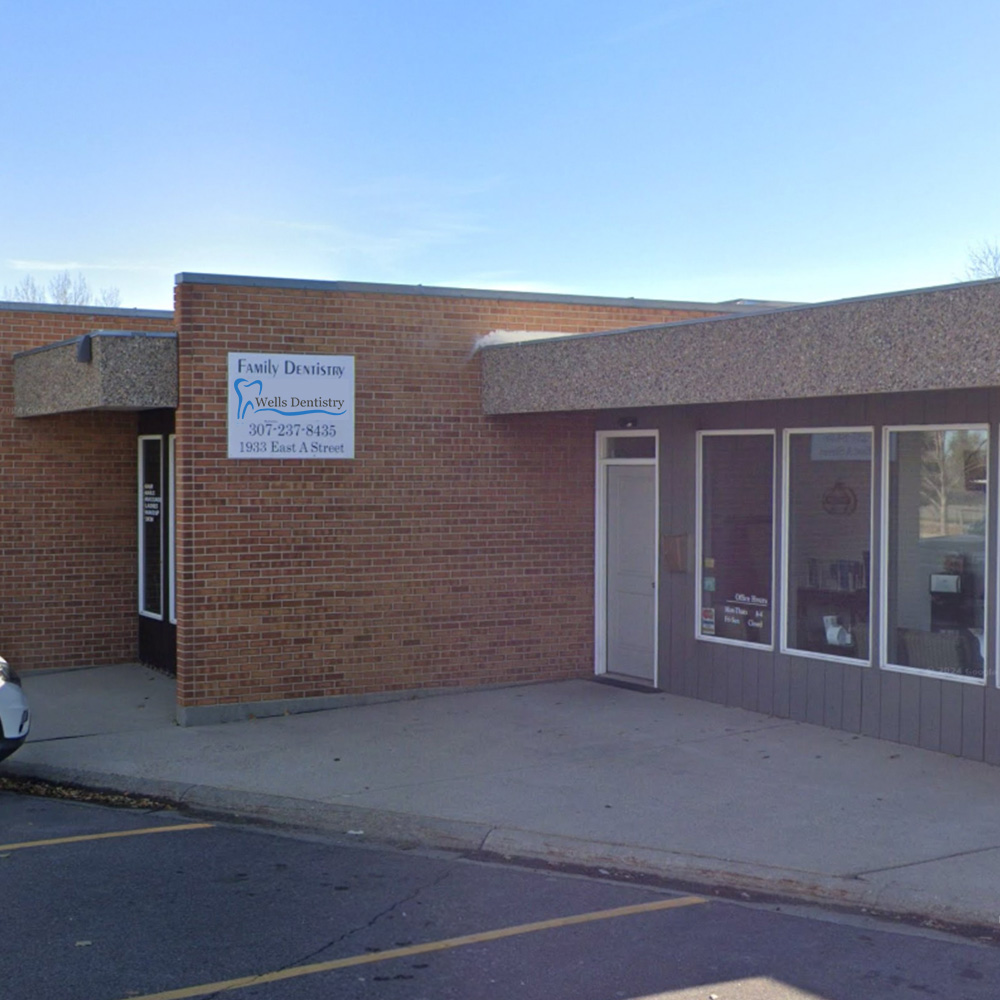
It's time for your check-up!
Scheduling your next visit or getting answers about our comprehensive dental services is simple when you contact Wells Dentistry. Our friendly administrative team is prepared to help you find the perfect appointment time, provide clarity on your treatment plan options, and efficiently manage any billing or insurance questions. We are ready to assist you by phone or via our quick online form. Contact us today and let us partner with you to maintain a healthy, beautiful smile for years to come.