Oral cancer can be unexpected and aggressive, which is why regular screening during dental visits is so important. Each year in the United States, roughly 51,000 people receive a diagnosis of cancers that affect the mouth and throat, and the consequences can be severe if lesions go unnoticed. Early identification dramatically improves the likelihood of successful treatment and reduces the long-term impact on quality of life.
Screening is not intended to alarm patients but to catch subtle changes before they become serious. Many oral cancers begin as small, painless patches or lumps that are easy to miss without a trained eye. Detecting abnormalities at an early stage often means less invasive treatment, better functional outcomes, and a higher survival rate.
Because the mouth is readily accessible, dentists are uniquely positioned to observe early warning signs during routine checkups. Incorporating oral cancer screening into regular dental exams makes it a practical, low-burden step with potentially life-saving benefits for patients of all ages.
Certain behaviors and medical histories raise the likelihood of developing oral cancer. Tobacco use and heavy alcohol consumption remain the most significant modifiable risk factors, and when combined they compound the danger. Demographically, men have historically shown higher rates of oral cancers, and risk tends to increase with age—particularly after age 50.
In recent years, human papillomavirus (HPV) has become a leading cause of oropharyngeal cancers, especially among younger adults who might not have traditional risk profiles. Other contributors include prolonged ultraviolet exposure (relevant for lip cancers), prior head and neck radiation, chronic gastroesophageal reflux, exposure to certain industrial chemicals, and nutritional deficiencies that impair the body’s ability to repair damaged cells.
Understanding these risk factors helps clinicians focus their attention and enables patients to make informed choices. Even if you do not have classic risk markers, regular screenings are still advisable—oral cancer can affect people with no clear predisposing conditions.
An oral cancer screening is an efficient, noninvasive part of a comprehensive dental exam. Your dental provider will begin with a review of your medical and dental history, asking about any recent changes in health, persistent mouth sores, difficulty swallowing, or unexplained hoarseness. This contextual information helps direct the physical exam and any recommended follow-up.
The clinical portion includes a visual inspection of the lips, inside of the cheeks, gums, tongue, floor and roof of the mouth, and the throat when accessible. The clinician will look for irregularities such as white or red patches, lumps, areas that bleed easily, or sores that do not heal within a reasonable time. Palpation of tissues and the lymph nodes in the neck is also performed to identify any firmness or enlargement that may indicate the need for further evaluation.
Screening typically takes only a few minutes but provides essential baseline information. If something unusual is found, the clinician will explain the findings, discuss potential next steps, and, when appropriate, arrange additional testing or a referral to a specialist for diagnostic confirmation.
Beyond the visual and tactile exam, modern dental practices often use adjunctive technologies to assist in early detection. These may include enhanced light-based devices that help highlight abnormal tissue, or visualization aids that improve contrast between healthy and potentially suspicious areas. While these tools do not replace clinical judgment or biopsy, they can increase the clinician’s ability to identify lesions that warrant closer attention.
Imaging and diagnostic tests—when indicated—help clarify next steps. For example, targeted imaging or referral for a biopsy provides definitive information about the nature of an abnormality. Coordinated care between the dental team and medical specialists ensures patients receive timely evaluation and, if necessary, a comprehensive treatment plan.
At Wells Dentistry, we combine a thorough clinical exam with any appropriate adjunctive assessments to ensure no areas of concern are overlooked. Our goal is to provide a careful, evidence-informed screening process that respects each patient’s individual health history.
If a screening raises concern, follow-up may include a repeat exam, additional diagnostic testing, or referral to an otolaryngologist or oral and maxillofacial specialist. Timely communication and clear next steps are critical; a prompt diagnostic path minimizes uncertainty and helps patients move forward with confidence in their care.
Prevention plays a central role in reducing risk. Patients can lower their chances of oral cancer by avoiding tobacco, moderating alcohol intake, protecting lips from excessive sun, maintaining a balanced diet rich in fruits and vegetables, and staying current with HPV vaccination recommendations where appropriate. Good oral hygiene and routine dental visits also support the earliest possible detection of changes.
Long-term vigilance matters: even after a normal screening, periodic reassessment is important because risks and exposures can change over time. Regular checkups allow clinicians to track tissue health across visits and to spot incremental changes that could otherwise be overlooked.
In summary, oral cancer screening is a brief but vital component of routine dental care that can identify early signs of disease when treatment is most effective. Regular screenings, awareness of risk factors, and prompt follow-up together form the best strategy for protecting oral and overall health. If you have concerns or would like to learn more about our approach to oral cancer screening, please contact us for more information.


Oral cancer screening is a focused examination of the mouth and throat aimed at identifying early signs of malignancy, such as persistent red or white patches, lumps, or nonhealing sores. Early detection substantially improves treatment options and outcomes because lesions found at an early stage are typically easier to treat. Screening is quick, noninvasive and is designed to be a routine part of preventive dental care rather than a separate or invasive procedure.
Because oral tissues are readily accessible, clinicians can often spot subtle changes that patients may miss, and those findings can prompt timely diagnostic testing. Identifying abnormalities early can reduce the need for extensive surgery and preserve function and quality of life. Regular screening therefore plays a critical role in protecting oral and overall health.
Several factors raise the likelihood of oral cancer, with tobacco use and heavy alcohol consumption remaining the most significant modifiable risks. Men and older adults historically show higher incidence, and risk increases with prolonged exposure to ultraviolet radiation for lip cancers or prior head and neck radiation. Occupational exposures and certain nutritional deficiencies can also contribute to vulnerability.
Human papillomavirus, particularly HPV type 16, has emerged as an important cause of oropharyngeal cancers and is increasingly observed in younger, otherwise low-risk adults. Even people without classic risk markers can develop oral cancer, so screening for all patients is advisable. Understanding personal risk helps clinicians tailor surveillance and supports informed decisions about prevention.
The screening begins with a review of medical and dental history and a few questions about any recent symptoms, such as persistent mouth sores, difficulty swallowing or unexplained hoarseness. The clinical exam includes a careful visual inspection of the lips, cheeks, gums, tongue, floor and roof of the mouth, and the accessible throat, coupled with gentle palpation of oral tissues and neck lymph nodes to detect firmness or enlargement. This hands-on evaluation typically takes only a few minutes and establishes a baseline for future visits.
At Wells Dentistry, clinicians combine the patient history with the physical exam to determine whether further assessment is needed and to explain findings clearly and compassionately. If an area of concern is identified, the team will discuss appropriate next steps, which may include repeat observation, adjunctive testing, targeted imaging or referral for a diagnostic biopsy. Clear communication and timely follow-up are emphasized to reduce uncertainty and facilitate coordinated care.
Adjunctive tools can enhance the clinician's ability to identify suspicious tissue that might be hard to see under normal light, and they typically include light-based devices and visualization aids or tissue-staining techniques. These technologies improve contrast and can highlight areas that warrant closer inspection, but they do not provide a definitive diagnosis. Clinical judgment remains essential, and suspicious findings often require biopsy or specialist evaluation for confirmation.
When indicated, adjunctive testing is used alongside a thorough visual and tactile exam, not as a replacement for it, and results are interpreted in the context of the patient's history and risk factors. Imaging studies or a referral to an otolaryngologist or oral and maxillofacial specialist may follow to obtain a definitive diagnosis. Coordinated care ensures patients receive appropriate diagnostic steps without delay.
Oral cancer screening is typically performed at every routine dental exam, which allows clinicians to track tissue changes over time and detect new abnormalities early. For many patients this means screening at regular checkups, and for those with elevated risk factors the clinician may recommend more frequent surveillance. Regular intervals create a reliable baseline and improve the chance of catching subtle changes sooner.
Your individual screening schedule may be adjusted based on medical history, tobacco or alcohol use, prior head and neck radiation, or other risk indicators, and clinicians will explain the rationale for any recommended frequency. If you notice new or changing symptoms between visits, it is important to seek prompt evaluation rather than waiting for the next scheduled appointment. Ongoing communication with your dental team supports timely detection and care.
You should seek attention for persistent mouth sores, lumps or thickened areas, patches that are red or white, unexplained bleeding, or numbness in the mouth or lips. Difficulty swallowing, a persistent sore throat or hoarseness, and unexplained ear pain on one side can also be warning signs, especially if they last more than two weeks. Any persistent change in how your mouth feels or functions deserves assessment.
Early evaluation helps rule out benign causes and, if necessary, expedites diagnostic testing to confirm or exclude malignancy. Do not wait until your next routine visit if symptoms persist or worsen; contacting your dental office for an earlier assessment ensures timely attention. Clear documentation of symptom onset and progression also helps clinicians make informed decisions about follow-up.
If a clinician identifies an area of concern, the next steps are explained clearly and tailored to the finding, and they may include close observation, adjunctive testing, targeted imaging or a referral for biopsy to obtain a definitive tissue diagnosis. Palpation of lymph nodes and comparison with prior examinations help determine whether immediate action is needed. The goal is a prompt, evidence-informed diagnostic path that minimizes uncertainty.
Referral to an otolaryngologist, oral and maxillofacial surgeon or other specialist is common when biopsy or advanced imaging is required, and the dental team typically coordinates care and shares relevant records. Timely follow-up and clear communication help patients understand options and next steps while ensuring rapid access to appropriate specialists. Throughout this process, clinicians prioritize patient comfort and answer questions about the diagnostic plan.
Reducing or eliminating tobacco use and moderating alcohol intake are the most impactful steps individuals can take to lower oral cancer risk. Protecting the lips from excessive sun exposure with protective clothing or sunscreen, maintaining a balanced diet rich in fruits and vegetables, and practicing good oral hygiene also support overall oral health. Staying current with HPV vaccination recommendations can reduce the risk of HPV-related oropharyngeal cancers.
Clinicians can provide resources for tobacco cessation and advice about minimizing alcohol use, and they can discuss preventive strategies during routine visits. Regular dental checkups remain important because they allow early identification of any concerning changes despite healthy habits. Prevention and vigilance together form the best approach to reducing long-term risk.
Oral cancer screening can identify mucosal changes in the mouth and visible parts of the throat, but HPV-related cancers often arise in the oropharynx, such as the tonsils and base of the tongue, areas that can be harder to inspect thoroughly during a routine dental exam. While screening may detect some signs that warrant further evaluation, deep oropharyngeal lesions sometimes produce symptoms rather than visible findings. Because of this, clinicians rely on symptom review, risk assessment and, when indicated, referral for specialized evaluation.
HPV vaccination is an important preventive measure for reducing the risk of HPV-driven oropharyngeal cancers and is recommended according to current medical guidelines. If symptoms suggest an oropharyngeal problem, prompt assessment by a specialist may be necessary even if a routine oral exam appears normal. Open discussion with your dental provider about vaccination and symptoms supports comprehensive prevention and early detection.
Wells Dentistry combines a patient-centered approach with modern diagnostic techniques to deliver thorough, evidence-informed screenings as part of routine dental care. Our clinicians emphasize clear communication, careful documentation of findings and vigilant follow-up when abnormalities are detected, ensuring patients understand any recommended next steps. The practice prioritizes prevention and early detection to protect both oral function and overall health.
Choosing a dental team that performs routine oral cancer screening provides peace of mind and supports long-term vigilance, especially for patients with risk factors or changing symptoms. If you have concerns about oral cancer or would like to learn more about the screening process, the team at Wells Dentistry can explain the exam and the criteria used to determine appropriate follow-up. We aim to provide compassionate, timely guidance and coordinated care when diagnostic testing is needed.
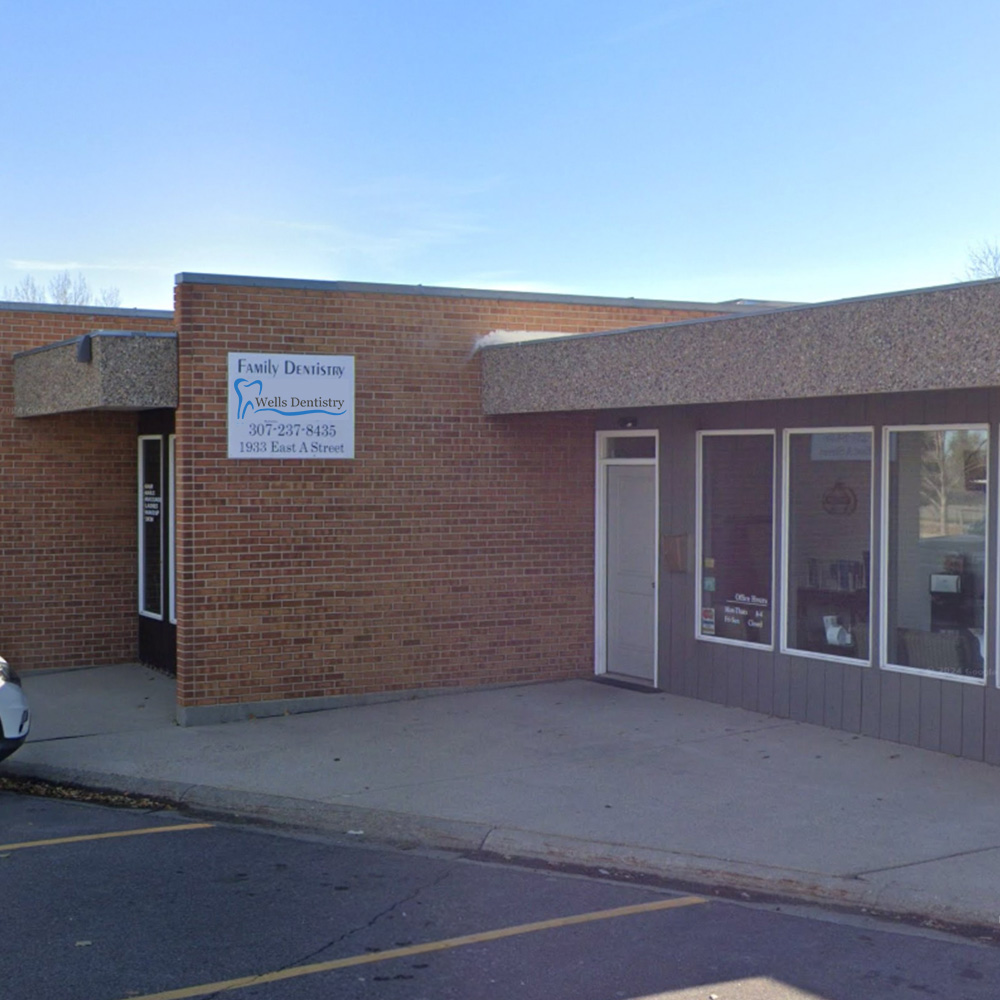
It's time for your check-up!
Scheduling your next visit or getting answers about our comprehensive dental services is simple when you contact Wells Dentistry. Our friendly administrative team is prepared to help you find the perfect appointment time, provide clarity on your treatment plan options, and efficiently manage any billing or insurance questions. We are ready to assist you by phone or via our quick online form. Contact us today and let us partner with you to maintain a healthy, beautiful smile for years to come.