At Wells Dentistry, we take a preventive-first approach because catching small issues early preserves both health and confidence. Routine oral exams are the foundation of that strategy: they give your dental team a clear picture of how your teeth, gums, and related structures are performing and reveal opportunities to prevent problems before they grow. Along with professional cleanings and oral cancer screenings, these visits are a chance for personalized education about brushing, flossing, diet, and habits that support long-term oral health.
Your first comprehensive exam is designed to build a baseline for future care and to make sure you leave with a clear understanding of your current oral health. We begin by reviewing your medical and dental history and discussing any symptoms or concerns you have, from sensitivity and bleeding gums to jaw discomfort or snoring. This conversation helps us tailor the exam to your unique needs and identify risk factors that may affect treatment decisions.
The clinical portion of the visit covers a complete visual inspection of your teeth and soft tissues, an assessment of gum health and bite relationships, and a focused check of the jaw joints and surrounding muscles. When appropriate, we use diagnostic x-rays to see beneath the surface—images that reveal decay between teeth, bone levels around roots, and the presence of impacted or developing teeth. We also perform an oral cancer screening, a careful review of the lips, tongue, cheeks, throat, and neck for any unusual signs.
After the exam and any necessary imaging, we’ll summarize what we observed and discuss options. Our goal is to present clear, evidence-based recommendations and to prioritize treatments according to urgency and long-term benefit. You should leave with a practical plan—whether that’s scheduling a routine cleaning, monitoring a finding, or moving forward with restorative care—along with actionable steps you can take at home to protect your smile.

Oral health doesn’t exist in isolation; the mouth often reflects conditions occurring elsewhere in the body. During an exam, we don’t just look for cavities and gum pockets—we pay attention to changes that could signal systemic issues, such as persistent dry mouth, unusual oral lesions, or rapid changes in gum tissue. These observations can prompt conversations with your medical provider so you can address underlying concerns proactively.
Research increasingly shows links between chronic oral infections and broader health problems. While the relationships are complex, evidence suggests that untreated gum inflammation can contribute to increased risks for cardiovascular issues, complications in diabetes management, and respiratory problems. An oral exam is a chance to identify inflammation early and recommend targeted measures to reduce bacterial load and improve tissue health.
Recognizing these connections also allows us to provide tailored guidance to patients with specific medical conditions. For example, medication-induced dry mouth increases the risk of decay and may merit fluoride therapies or specialized hygiene routines. Pregnancy, autoimmune conditions, and certain chronic diseases can alter oral tissue responses—so a routine exam becomes part of a coordinated approach to your overall health.

Brushing and flossing at home are essential, but even the most diligent daily routines can miss bacterial film and hardened tartar in tight spaces. Professional cleanings remove these deposits, lowering the bacterial load that causes cavities and gum disease. Beyond plaque removal, a hygienist polishes surfaces, evaluates gum depth, and highlights areas where your home care might be improved for better results.
Routine cleanings also provide continuity of care. When we see you every six months—or on a schedule tailored to your needs—we can track changes over time. Early detection of gingivitis, enamel wear, or minor restorations that need attention allows us to intervene with conservative measures rather than waiting until more extensive treatment is required. This ongoing partnership preserves natural tooth structure and supports long-term function.
Education is a central part of the cleaning appointment. We’ll demonstrate flossing and brushing techniques adapted to your mouth, recommend products that suit your situation, and suggest lifestyle changes—such as reducing acidic beverages or managing nighttime grinding—that protect your smile. For children, these visits also establish healthy habits and monitor growth and development so that potential orthodontic needs are identified early.
Visual inspection offers a lot, but x-rays and digital imaging reveal what’s hidden beneath the surface. Digital radiography provides quick, high-quality images with lower radiation exposure than older film methods. These images help us detect decay between teeth, evaluate root and bone health, and plan for restorative care with confidence.
Different imaging techniques serve different purposes. Bitewing films are excellent for spotting decay between teeth, periapical images show the full tooth from crown to root, and panoramic films give a broad view of the jaws and development of erupting teeth. In complex situations—such as surgical planning or implant placement—three-dimensional cone-beam scans offer detailed views of bone anatomy and nerve pathways, improving precision and outcomes.
Because imaging technology has advanced, we can review and share images instantly during your visit, using them to explain findings and walk you through treatment options. The visual evidence often makes recommendations clearer and helps you make informed choices about care.
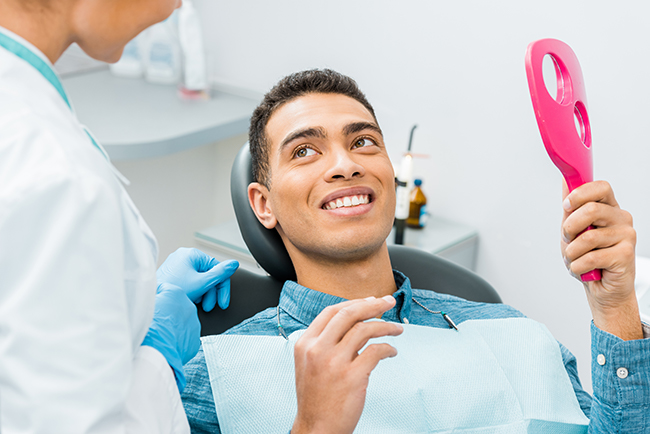
Every exam concludes with a conversation about priorities and next steps. If we find early-stage problems, conservative monitoring or minimally invasive treatments may be appropriate. For established disease, we’ll explain why intervention matters and outline the sequence of care that makes the most sense for your comfort and long-term results. The emphasis is always on clear options rather than pressure—so you can make decisions that match your health goals.
Preventive measures such as sealants, targeted fluoride, or tailored hygiene regimens can significantly reduce future risk. If restorative or periodontal therapy is needed, we coordinate care to ensure efficient, predictable treatment. For complex needs, we discuss referrals and team-based approaches so that specialized care is integrated smoothly with your overall plan.
Follow-up is also part of the process. We’ll set recall intervals based on your individual risk profile and make sure you understand how to maintain improvements between visits. Regular exams build a health record that enables earlier detection of changes and supports better outcomes over a lifetime.
Summary: Regular oral exams are the single most effective way to protect your smile and support broader health. By combining careful clinical assessment, modern imaging, professional cleanings, and personalized advice, the practice works to prevent disease and preserve natural teeth. If you’d like to learn more about what an oral exam involves or to schedule a visit, please contact us for more information.
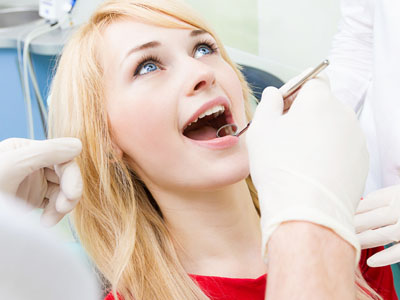

An oral exam is a systematic clinical review of your teeth, gums, oral soft tissues, jaw joints and related structures to assess current health and identify early signs of disease. These visits combine a visual inspection with risk assessment, medical and dental history review, and targeted questions about symptoms such as sensitivity, bleeding or jaw discomfort. Regular oral exams create a baseline that helps clinicians detect changes over time and intervene before small problems become more complex.
Beyond catching cavities and gum disease early, oral exams include screenings for oral cancer and other abnormalities that can indicate broader health issues. Early detection improves the success of conservative treatments and reduces the likelihood of more invasive procedures later. An exam also provides an opportunity for personalized prevention strategies including home care instruction and referrals when medical issues are suspected.
Your first comprehensive exam begins with a review of your medical and dental history and a conversation about any symptoms or concerns you have. The clinical portion includes a full visual inspection of teeth and soft tissues, an assessment of gum health and bite relationships, and a focused evaluation of the jaw joints and muscles. When indicated, diagnostic imaging such as bitewing or periapical x-rays may be taken to detect decay between teeth, bone levels, and development of erupting or impacted teeth.
We also perform an oral cancer screening during the visit, examining the lips, tongue, cheeks, throat and neck for any unusual signs. After completing the exam and any imaging, your clinician will summarize findings and outline recommended next steps tailored to urgency and long-term benefit. You will leave with clear priorities—whether that means routine recall, monitoring a finding, or scheduling restorative care—plus practical advice for at-home maintenance.
For most patients, routine oral exams are recommended every six months to maintain preventive oversight and allow early detection of problems. That interval supports continuity of care and enables dental professionals to monitor changes in gum health, enamel wear and minor restorations before they progress. Some patients with higher risk factors—including a history of periodontal disease, heavy restorations, medical conditions that affect oral health, or medication-induced dry mouth—may need more frequent visits.
Scheduling intervals are individualized based on your risk profile and treatment needs rather than a one-size-fits-all rule. During each exam your clinician will reassess risk and set the appropriate recall schedule to protect your oral health. At Wells Dentistry, we work with patients to determine the cadence that best preserves natural teeth and supports overall wellbeing.
X-rays and digital imaging reveal conditions that cannot be seen during a visual exam, such as decay between teeth, root and bone health, and the presence of impacted or developing teeth. Digital radiography produces high-quality images with lower radiation exposure than older film techniques and allows for immediate review and patient education. Different imaging types serve distinct purposes: bitewings detect interproximal decay, periapical images show full tooth anatomy, and panoramic or cone-beam scans offer broad or three-dimensional views when planning complex care.
Imaging enhances diagnostic accuracy and treatment planning, helping clinicians recommend precise, evidence-based interventions. The ability to share images during the appointment makes findings clearer and supports informed decision-making. When advanced imaging is necessary, it is used selectively to balance diagnostic benefit with patient comfort and safety.
Oral exams include a careful inspection of the lips, tongue, cheeks, throat and neck to identify lesions, abnormal tissue changes or persistent areas of concern that may warrant further evaluation. Clinicians look for asymmetry, ulcers that do not heal, red or white patches, unexplained lumps and other signs that could indicate oral cancer or precancerous conditions. When suspicious findings are present, the exam may lead to documentation, photographic records and referral for biopsy or medical evaluation.
Because the mouth can reflect systemic health, exam findings like persistent dry mouth, rapid gum changes or unusual oral lesions can prompt coordination with medical providers. Evidence suggests links between chronic oral inflammation and broader health risks, so identifying these issues early allows for timely conversations about overall health management. An oral exam is therefore both a local and a systemic checkpoint that supports comprehensive care.
Professional cleanings remove bacterial plaque and hardened tartar that regular brushing and flossing can miss, lowering the bacterial load that causes cavities and periodontal disease. A hygienist also measures gum pocket depths, polishes tooth surfaces, and highlights areas where home care should be improved to reduce future risk. These cleanings work in tandem with exams to keep tissues healthy and to reveal early signs of disease that may not be symptomatic.
Regular cleanings provide continuity of care, allowing clinicians to track subtle changes over time and intervene conservatively when necessary. Education is a core component of the appointment, with demonstrations of brushing and flossing techniques and product recommendations tailored to your mouth. For children, these visits establish positive habits and allow early monitoring of growth and development to anticipate orthodontic needs.
Yes. Pregnancy, autoimmune conditions, diabetes and certain medications can alter oral tissue responses and increase the risk of gum inflammation, decay or dry mouth. During pregnancy, hormonal changes may increase susceptibility to gingivitis and require close monitoring and gentle preventive care. Patients with chronic illnesses or complex medication regimens benefit from coordinated care and tailored hygiene strategies to reduce complications.
Clinicians adjust exam protocols and preventive recommendations to address these special needs, such as offering topical fluoride for dry mouth or scheduling more frequent recalls for patients with higher risk. Communication with your medical team is encouraged when oral findings may relate to systemic conditions or when medical therapies influence oral health. The goal is to integrate dental care into overall health management to achieve better outcomes.
To prepare, bring an up-to-date list of medications, any recent medical diagnoses and notes about symptoms or concerns you want to discuss. Maintain your regular oral hygiene routine before the appointment and arrive with questions about changes you have noticed, such as sensitivity, bleeding or jaw pain. If you have previous dental records or recent x-rays from another provider, bringing them can help the clinician build a more complete baseline.
Be prepared to discuss lifestyle factors that affect oral health, including tobacco use, diet, sleep habits and any symptoms of sleep-disordered breathing or grinding. Honest information about home care routines helps the team recommend practical, personalized strategies for improvement. If additional imaging or specialist referrals are recommended, the clinician will explain why they are necessary and what to expect next.
After the exam and any imaging, the clinician reviews observations and prioritizes treatment options based on urgency and long-term benefit. Early-stage issues may be monitored or treated with conservative measures, while established disease will be addressed with clear explanations of recommended procedures and sequencing. The team outlines a plan that balances immediate needs, preventive strategies and patient preferences to support lasting oral health.
Preventive options such as sealants, targeted fluoride therapies and customized hygiene regimens are used to reduce future risk whenever appropriate. For more complex needs, restorative or periodontal therapy is coordinated efficiently, with referrals handled as part of a team-based approach. Follow-up intervals are set according to individual risk so that progress can be tracked and adjustments made over time.
If you would like to schedule an oral exam or discuss follow-up care, contact our office and our administrative team will help you find a convenient appointment time and clarify next steps. During scheduling you can mention specific concerns identified during a prior visit so the team allocates the appropriate time and resources. The practice aims to make it simple to arrange preventive visits and coordinate any necessary imaging or specialist referrals.
When you arrive for a follow-up, the clinician will review previous findings, update imaging as needed and confirm the care plan before proceeding. Clear communication and documented recall intervals help ensure that recommended treatments and preventive measures are completed in a timely way. If you have questions after your visit, the team is available to explain results and reinforce home-care practices that support long-term oral health.
It's time for your check-up!
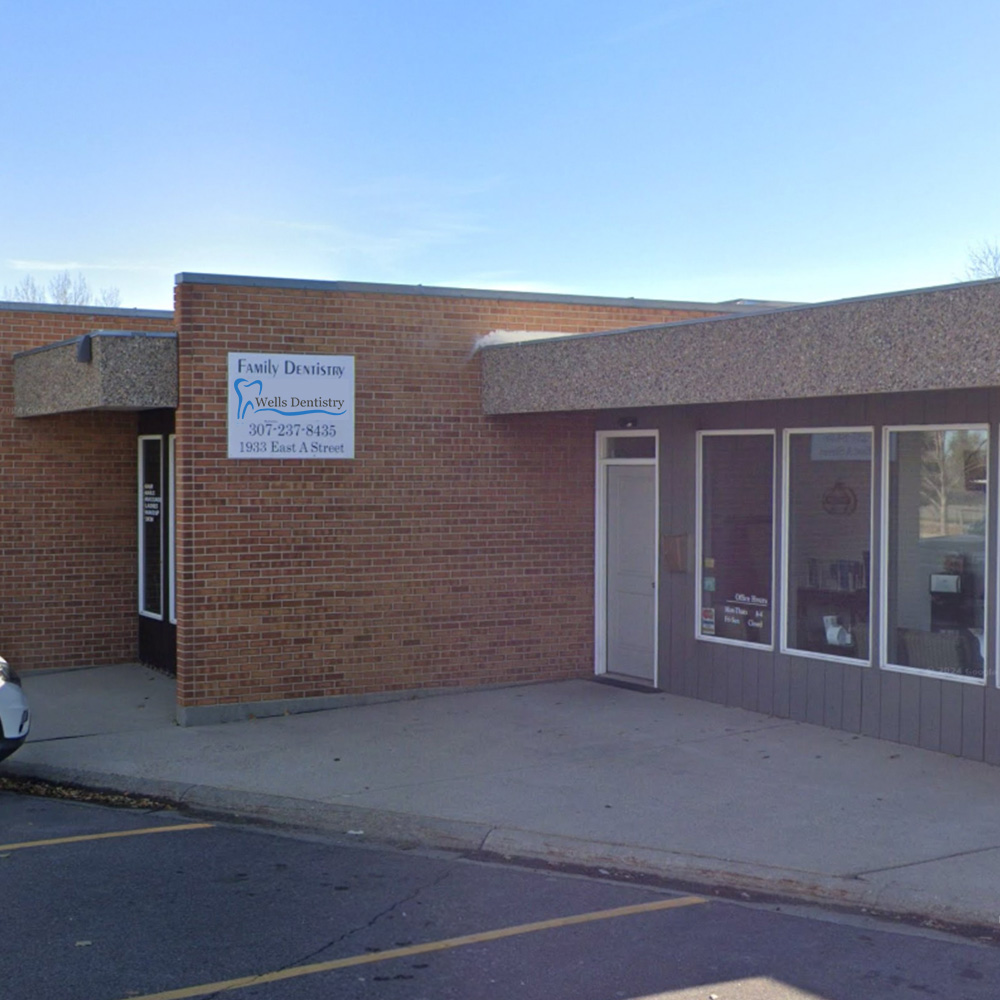
Scheduling your next visit or getting answers about our comprehensive dental services is simple when you contact Wells Dentistry. Our friendly administrative team is prepared to help you find the perfect appointment time, provide clarity on your treatment plan options, and efficiently manage any billing or insurance questions. We are ready to assist you by phone or via our quick online form. Contact us today and let us partner with you to maintain a healthy, beautiful smile for years to come.