At the office of Wells Dentistry, we focus on guiding families through the early stages of dental care so children develop healthy habits that last. Our pediatric services are built around prevention, clear communication, and creating a calm, reassuring environment for kids and their caregivers. From the first visit through adolescence, we emphasize practical strategies that support healthy smiles and confident children.

Establishing consistent oral habits from infancy makes a measurable difference in a child’s dental trajectory. Early routine care—simple acts like wiping gums, introducing a soft toothbrush, and supervising brushing—reduces the risk of decay and reinforces daily structure. Parents who model healthy behaviors give children a practical roadmap for self-care as they grow.
Our approach centers on age-appropriate instruction so that each visit leaves families with achievable goals. We teach techniques that fit toddlers’ attention spans and adapt guidance as children gain more independence. Small, steady improvements over time are more effective than occasional, intense interventions.
Beyond brushing and flossing, we stress preventive habits like limiting sugary drinks, encouraging water, and creating predictable routines around mealtimes and bedtime. These lifestyle habits protect developing teeth and support overall health, helping children enter school with fewer dental setbacks and greater confidence.
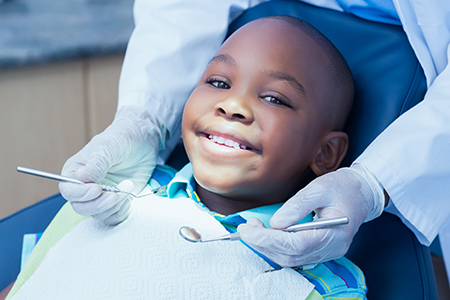
Regular dental visits give clinicians a chance to monitor growth, catch early problems, and coach families on daily care. At routine appointments we review medical history, examine the teeth and gums, and assess bite and jaw development. The exam is gentle and paced to make children comfortable while providing the information parents need.
Professional cleanings remove plaque and buildup from places children may miss at home. These visits are also an opportunity to demonstrate brushing techniques, answer questions about teething or thumb-sucking, and recommend targeted preventive measures based on each child’s risk profile.
When necessary, digital radiographs are used selectively to evaluate the health of teeth below the surface and to monitor how permanent teeth are forming and positioning. Imaging is carefully considered, minimized, and explained so parents understand the purpose and benefit.
Tooth decay is preventable when families combine good home care with professional oversight. We emphasize simple, evidence-based steps—consistent brushing with appropriate fluoride, timely sealants for vulnerable molars, and routine exams—to reduce the chance of cavities. Preventive care focuses on blocking the pathways that let decay start and spread.
Parents can also limit risk by being mindful of feeding habits. Prolonged exposure to sugary liquids—especially when a child falls asleep with a bottle—creates an environment where decay can develop quickly. Swapping juice for water and establishing bottle-free sleep routines are effective, low-friction changes.
For active children, properly fitted mouthguards are an essential preventive tool. Custom or professionally recommended mouth protection reduces the likelihood of traumatic dental injuries during sports and recreation, helping maintain intact, healthy smiles as kids stay active.
Begin regular dental visits early to build familiarity and trust
Introduce age-appropriate cleaning techniques and tools for infants and toddlers
Avoid letting bottles with milk or juice be a sleep-time habit
Schedule routine checkups and professional cleanings every six months or as recommended
Demonstrate brushing and flossing—children learn best by watching adults
Choose nutrient-dense snacks and replace sugary beverages with water when possible
Support habit changes—such as pacifier weaning or stopping thumb-sucking—at appropriate ages
Use a recommended mouthguard during organized sports and high-impact activities

Primary teeth begin forming long before they erupt, and the first year is a critical window for establishing care. Pediatric guidelines suggest the first dental visit around the first birthday or when the first tooth appears. Early exams help parents learn gentle cleaning techniques and set expectations for dental development.
Teething can be uncomfortable but is rarely a medical emergency. Simple, safe measures—like chilled teething rings, a cool spoon, or a clean gauze rubbed gently over the gums—can ease soreness. If parents are unsure or symptoms seem excessive, a dental visit provides reassurance and guidance.
Guided oral care in infancy also helps parents recognize warning signs—persistent redness, white spots, or unusual pain—that might merit earlier attention. The goal is to stay ahead of issues while preserving a positive, stress-free relationship between the child and the dental team.
As children’s faces and jaws grow, dental professionals track patterns of eruption, bite relationships, and facial development. Early monitoring allows timely referrals or interventions when necessary, and in many cases a simple observation plan is all that’s required. Catching alignment trends early can lead to more conservative, predictable outcomes later on.
Orthodontic concerns are not limited to cosmetic issues—function, chewing, and airway development can be affected by how jaws align. We look for signs such as early crowding, crossbite, or asymmetry and discuss whether a consultation with an orthodontic specialist would be beneficial.
Good nutrition and consistent oral hygiene complement any orthodontic plan by reducing the risk of cavities and gum problems that can complicate treatment. Families who maintain strong daily routines make future corrective care smoother and more effective.
Monitoring facial growth and dental development is an ongoing process that adapts as a child moves through developmental stages. Regular dental visits provide checkpoints where adjustments in care or timing of specialty referrals can be planned thoughtfully rather than reactively.
What children eat and drink matters for more than overall health—diet directly influences the mouth’s environment. Emphasizing whole foods, limiting sticky and sugary snacks, and encouraging water intake help prevent decay and support resilient gums and bone. Practical, family-friendly nutrition advice can make a big difference in a child’s dental future.
Every family’s needs are unique, and our team is here to provide clear, personalized guidance through every stage of childhood. If you’d like more information about pediatric dental care or want to discuss your child’s specific needs, please contact us for further assistance.


The American Academy of Pediatric Dentistry recommends a first dental visit by a child’s first birthday or within six months of the first tooth erupting. Early visits let clinicians check development, identify potential concerns, and introduce families to gentle home care techniques. Establishing a dental home early builds familiarity and makes future appointments less stressful for children.
During that initial visit clinicians often review feeding and hygiene routines, answer parents’ questions, and demonstrate safe cleaning methods for infants. The goal is prevention and education rather than treatment whenever possible. Families in Casper, WY and beyond benefit from starting routine care early to set a positive course for oral health.
Preventing early childhood caries involves combining consistent at-home care with regular professional checkups. Parents should clean emerging teeth with a soft cloth or age-appropriate toothbrush, limit sugary drinks and prolonged bottle use, and encourage water between meals to reduce acid exposure. Supervised brushing with a smear of fluoride toothpaste for infants and a pea-sized amount for older children helps reduce cavity risk.
Other useful strategies include avoiding putting a child to bed with a bottle or sippy cup filled with milk or juice and offering nutritious snacks rather than sticky sweets. Dental sealants and professional fluoride applications are evidence-based preventive options that a dental team may recommend based on a child’s risk profile. These combined measures make it far less likely that decay will develop and progress.
A pediatric dental checkup generally includes a review of medical history, a gentle examination of the teeth and gums, and an assessment of bite and jaw development. The clinician will look for signs of decay, check eruption patterns, and evaluate risk factors like diet or oral habits. Professional cleaning removes plaque and buildup from areas children may miss at home and provides an opportunity to demonstrate brushing and flossing techniques.
The office of Wells Dentistry and other pediatric-focused practices use child-friendly explanations and a relaxed pace to help children feel comfortable during exams. When appropriate, selective digital radiographs are taken to check underlying tooth development and to monitor permanent tooth positioning. Parents should expect clear, practical guidance after each visit that outlines next steps and home care recommendations.
Fluoride treatments and dental sealants are widely recommended preventive measures supported by professional guidelines and research. Fluoride strengthens enamel and helps reverse early signs of decay when used appropriately, while sealants protect grooves on permanent molars where cavities often form. Both are applied in the dental office and tailored to a child’s individual risk level.
Clinicians consider age, cavity history, and dietary habits when recommending these interventions, and they explain the benefits and any minimal risks to parents. When used as part of a comprehensive prevention plan that includes daily oral hygiene and regular exams, these measures can significantly reduce the need for restorative care later on.
Teething is a normal developmental process that can cause mild discomfort, irritability, and increased drooling for many infants. Safe, nonmedicated comforts such as chilled teething rings, a cool washcloth, or gentle gum massage with a clean finger can relieve soreness. Over-the-counter topical remedies and medications should be used only under a pediatrician’s guidance and according to age-appropriate recommendations.
If a baby shows persistent fever, severe swelling, or signs of infection, parents should contact their pediatrician or a dental professional for evaluation. Routine dental visits also give caregivers a chance to ask about teething and receive demonstrations of safe soothing techniques. The emphasis is on simple, low-risk strategies that keep the experience positive for both child and parent.
Orthodontic screening is often recommended around age 7, when a mix of primary and permanent teeth allows clinicians to detect emerging bite or alignment issues. Early evaluation does not always mean immediate treatment, but it can identify patterns such as crowding, crossbites, or asymmetric growth that may benefit from monitoring or timely intervention. Catching certain conditions early can simplify future treatment and support better functional outcomes.
During routine pediatric visits the dental team monitors jaw development, eruption patterns, and airway-related concerns that can influence orthodontic needs. If signs suggest that specialty care is warranted, the dental clinician will discuss options and appropriate timing for referral to an orthodontist. Families who maintain good hygiene and nutrition during growth make corrective care more predictable and effective.
Reducing dental anxiety starts at home by keeping early dental experiences calm, predictable, and positive. Parents can use age-appropriate language to explain procedures, role-play visits, and demonstrate brushing and flossing in a reassuring way. Establishing routine appointments early helps children become familiar with the environment and staff, which lowers fear over time.
During visits, dental teams commonly use distraction, child-friendly explanations, and a gentle, unhurried approach to build trust. If anxiety persists, clinicians can recommend behavioral techniques or coping strategies tailored to the child’s needs and developmental level. The focus is on creating a supportive atmosphere where children feel heard and safe.
In a dental emergency such as a knocked-out tooth, severe pain, or a deep cut to the mouth, prompt action helps protect the child’s oral health. For a knocked-out permanent tooth, if possible rinse it gently without scrubbing, try to reinsert it, or keep it moist in milk and seek immediate dental care; primary teeth are handled differently, so contact a dental professional for guidance. For pain or swelling, call your dentist to describe symptoms and receive instructions for interim care.
Dental offices typically provide guidance on when to come in for urgent evaluation and how to manage symptoms safely at home until care is available. If there is uncontrolled bleeding, difficulty breathing, or signs of systemic illness, seek emergency medical attention right away. Having a plan and knowing who to call helps families respond quickly and calmly when accidents occur.
A balanced diet rich in whole foods supports strong teeth and overall development, while limiting frequent exposure to sugary and sticky snacks reduces cavity risk. Encourage fruits, vegetables, lean proteins, dairy or fortified alternatives for calcium and vitamin D, and water as the primary beverage. Reducing frequent sipping of juice or sweetened drinks and avoiding bottle use at bedtime are practical steps that make a measurable difference.
Snacking patterns matter: choosing nutrient-dense snacks and timing them with meals reduces prolonged acid challenges to tooth enamel. Clinicians can offer specific, age-appropriate nutrition guidance during visits and tailor recommendations for children with higher decay risk. Combining good nutrition with consistent oral hygiene creates a powerful foundation for lifelong dental health.
Mouthguards are an important preventive tool for children who participate in organized sports or high-impact recreational activities to protect teeth and reduce the risk of facial injuries. There are three main types: stock mouthguards, boil-and-bite models, and custom-fitted guards made by a dental professional; custom options typically offer the best fit and comfort. A properly fitted mouthguard provides better protection and is more likely to be worn consistently by a child.
Parents should discuss activity level and protective needs with their dental team so the right type of mouthguard is selected and adjusted as the child grows. The office of Wells Dentistry can advise families about fit, care, and replacement timing to ensure continued effectiveness. Wearing appropriate protection during play is a simple, effective way to keep young smiles intact.

It's time for your check-up!
Scheduling your next visit or getting answers about our comprehensive dental services is simple when you contact Wells Dentistry. Our friendly administrative team is prepared to help you find the perfect appointment time, provide clarity on your treatment plan options, and efficiently manage any billing or insurance questions. We are ready to assist you by phone or via our quick online form. Contact us today and let us partner with you to maintain a healthy, beautiful smile for years to come.