Periodontal disease is the leading cause of adult tooth loss in the United States, and it often advances quietly. According to the Centers for Disease Control and Prevention, roughly one in two adults over 30 show signs of periodontal disease. The condition is largely preventable when detected early and managed with consistent care. At Wells Dentistry, we provide a full spectrum of periodontal services designed to protect your gum health and preserve the long-term function and appearance of your smile.
Gum disease starts simply: bacteria in dental plaque collect along the gumline and trigger inflammation. Over time, plaque hardens into tartar (calculus), which creates a reservoir for more bacteria and toxins. The body’s immune response to these microbes produces inflammation that can damage the soft tissues and, in advanced cases, the bone that supports teeth.
Because early gum disease usually causes little or no pain, many people are surprised to learn they have a problem. That’s why routine dental visits and careful daily hygiene are essential — they let clinicians find and treat trouble before irreversible damage occurs. Early intervention preserves tissue and makes treatment far simpler and more predictable.
Recognizing the process—plaque accumulation, persistent inflammation, and progressive tissue breakdown—helps people understand why prevention and timely care are the cornerstones of periodontal health. Lifestyle factors such as smoking, certain medications, and chronic health conditions can accelerate the process and should be discussed with your dental team.
Common early warning signs of gum disease include:
Inflamed or unusually red gums
Bleeding during brushing or flossing
Gum recession and exposed root surfaces
Increased tooth sensitivity to temperature
Persistent bad breath or an unpleasant taste
Loose-feeling teeth or new gaps between teeth
Changes in the way partial dentures fit
Pus or discharge around the teeth and gums
Discomfort when biting or chewing

Gums are not isolated from the rest of the body. Persistent oral inflammation has been linked with a range of systemic conditions, including cardiovascular disease, diabetes, and respiratory illness. While research continues to clarify these relationships, keeping periodontal inflammation under control reduces bacterial load and the inflammatory signals that can affect overall health.
For people with chronic medical conditions, maintaining healthy gums is especially important. Poor periodontal health can make blood sugar harder to manage for patients with diabetes, and conversely, systemic inflammation can make gum disease worse. Discussions about medical history and medications are a key part of any periodontal assessment.
Prevention and early detection are the best defenses. Regular professional care combined with effective at-home habits helps reduce the risk of complications that extend beyond the mouth. Your dental team can tailor a monitoring and maintenance plan that reflects both oral and general health considerations.
Gingivitis is the reversible, initial stage of gum disease. It presents with visible signs of inflammation — red, swollen gums that may bleed easily — but without the bone loss that defines more advanced stages. Because the tissues are still structurally intact, successful treatment can fully restore gum health.
Treatment for gingivitis focuses on removing the irritants that sustain inflammation. This typically includes a professional cleaning to remove plaque and tartar above and slightly below the gumline, plus reinforced home-care instructions. With consistent brushing, flossing, and regular recall visits, gingivitis can be resolved and future progression prevented.
Patients who respond well to early treatment generally require more frequent cleanings and monitoring to make sure inflammation does not return. This proactive approach preserves both health and esthetics, and it reduces the need for more involved therapies later.

Left unmanaged, gingivitis can progress to periodontitis, a destructive condition in which the connective tissues and bone that support teeth begin to break down. As pockets form between the tooth roots and the gums, bacterial communities thrive in areas that are harder to clean, accelerating tissue loss and compromising tooth stability.
Periodontitis is typically described in stages—mild, moderate, and severe—based on the amount of attachment and bone loss observed. Symptoms may become more noticeable at this point and can include persistent bad breath, increasing tooth mobility, and pronounced gum recession. Once bone loss has occurred, the focus of care shifts from reversal to arresting progression and rebuilding lost support where possible.
Contemporary periodontal care emphasizes preserving natural teeth whenever feasible. Many restorative and regenerative techniques — such as bone grafts and guided tissue regeneration — can help recover lost structure or create a favorable foundation for replacement options when necessary.
Periodontal care begins with a careful diagnosis and a personalized plan. For early and moderate disease, non-surgical therapy is the first-line approach. Scaling and root planing (deep cleaning) removes plaque and calculus from beneath the gumline and smooths root surfaces to encourage reattachment of healthy tissue. Antimicrobial agents, placed locally or used systemically when appropriate, can enhance outcomes in select cases.
If disease persists despite non-surgical measures or if pocket depths and bone loss are significant, surgical options may be considered. The goals of surgery include reducing pocket depth, removing bacteria and diseased tissue, reshaping bone and soft tissue, and enabling better plaque control. Procedures range from flap surgery and pocket reduction to regenerative grafting to rebuild lost bone and soft tissue.
Today’s periodontal care often incorporates advanced technology. In selected cases, lasers can be used to decontaminate pockets, reduce inflamed tissue, and aid in certain minimally invasive procedures. The choice of therapy is individualized based on clinical findings, overall health, and patient goals.
Reduce harmful bacteria and inflammation beneath the gums
Stop ongoing damage to bone and soft tissues that support teeth
Lower pocket depths to make daily cleaning more effective
When disease is caught early, targeted non-surgical treatment combined with a renewed home-care routine often restores health. Scaling and root planing removes the primary irritants—plaque and tartar—from below the gumline. In many cases, this is sufficient to halt disease and encourage healing when followed by an appropriate maintenance schedule.
Adjunctive measures such as localized antimicrobial placement or systemic medication can be considered for patients with particular risk profiles or persistent infection. These adjuncts are selected carefully and used to support mechanical cleaning rather than replace it.
Regular periodontal maintenance appointments after initial therapy are essential to keep inflammation in check and to detect any recurrence early.
When deeper pockets, advanced bone loss, or complex anatomy limit the effectiveness of non-surgical care, surgical intervention may be recommended. Flap surgery allows access to root surfaces and bone for thorough cleaning and reshaping; regenerative procedures use grafts and biologic materials to encourage new attachment and bone formation.
These interventions aim to restore a healthier architecture that patients can maintain at home. When surgery is combined with diligent oral hygiene and a tailored maintenance plan, long-term outcomes improve and the risk of tooth loss declines.
Minimally invasive alternatives, including laser-assisted procedures, may be appropriate for select cases and are discussed when clinically indicated.

At Wells Dentistry, our approach to periodontal care centers on early diagnosis, clear communication, and treatments chosen to match each patient’s specific needs. We combine practical prevention strategies with modern clinical techniques to help protect your smile and overall health.
If you have noticed any symptoms of gum disease or if it has been a while since your last periodontal evaluation, contact us to learn more about how we can help. Our team is available to explain your options and to develop a personalized plan for maintaining healthy gums and a strong foundation for your teeth.


Periodontal disease begins when bacterial biofilm (plaque) accumulates along the gumline and triggers an inflammatory response in the tissues that support teeth.
Over time, plaque can harden into tartar, which harbors more bacteria and makes effective cleaning more difficult, allowing inflammation to persist and damage soft tissue and bone.
Several factors accelerate this process, including tobacco use, certain medications, genetic susceptibility and uncontrolled systemic conditions such as diabetes, so early detection and consistent care are essential to preserve oral health.
Common early signs include gums that bleed during brushing or flossing, persistent bad breath or a lingering bad taste, and gums that appear red, swollen or tender.
You may also notice gum recession, increased tooth sensitivity, new gaps between teeth or a loose feeling in the teeth, and any of these changes warrant a professional evaluation.
Because symptoms can be subtle or intermittent, routine periodontal screening at dental visits is the most reliable way to detect disease at a stage when treatment is simpler and more predictable.
Chronic periodontal inflammation has been associated with several systemic conditions, including cardiovascular disease, certain respiratory illnesses and adverse effects on metabolic control, though researchers continue to study these links.
Inflamed periodontal tissues release bacteria and inflammatory mediators that can enter the bloodstream and contribute to systemic inflammation, potentially amplifying other health problems.
For people with chronic medical conditions, coordinating periodontal care with medical providers and controlling oral inflammation are important steps to support overall health.
Gingivitis is the earliest, reversible stage of gum disease characterized by red, swollen gums that may bleed easily but without loss of bone or connective tissue support.
With professional cleaning and improved home care, gingivitis can usually be resolved and normal tissue health restored, preventing progression to more serious disease.
Periodontitis occurs when inflammation advances and leads to attachment and bone loss; treatment then focuses on stopping progression and, when possible, rebuilding support through regenerative approaches.
Initial therapy for early to moderate periodontal disease typically emphasizes conservative measures such as scaling and root planing to remove plaque and calculus from beneath the gumline and smooth root surfaces.
Clinicians may also use localized antimicrobial agents or short courses of systemic medication in selected situations to reduce bacterial burden and support healing.
Establishing a personalized periodontal maintenance schedule and reinforcing effective home care are essential components of non-surgical management to prevent recurrence.
Surgical or regenerative therapy is considered when deep pockets, significant bone loss or complex anatomy limit the effectiveness of non-surgical care and thorough cleaning cannot be achieved by conservative means alone.
Procedures such as flap surgery provide direct access for debridement and reshaping of bone, while regenerative techniques like bone grafting and guided tissue regeneration aim to rebuild lost support where clinically indicated.
The choice to proceed with surgery is made after a careful assessment of pocket depths, attachment levels and overall health, with clear discussion of goals, risks and expected outcomes.
Laser-assisted therapies can be used as an adjunct to decontaminate periodontal pockets and reduce inflamed tissue with minimal collateral damage in selected cases.
When appropriate, lasers may enhance bacterial reduction and healing, but they are not a universal substitute for mechanical cleaning and established regenerative procedures.
Your dental team will explain the potential benefits and limitations of laser therapy and how it may fit into a comprehensive treatment plan tailored to your condition.
For a periodontal evaluation, bring an up-to-date list of medications and be ready to discuss your medical history, including any history of diabetes, heart conditions, recent surgeries or tobacco use, since these factors influence treatment decisions.
During the appointment the clinician will examine your gums, measure pocket depths, assess attachment levels and review radiographs if needed to determine the extent of tissue and bone involvement.
After the assessment you will receive a clear explanation of findings, treatment options and a recommended maintenance schedule so you understand the next steps for protecting your oral health.
Daily home care is the foundation of prevention: brush twice daily with a fluoridated toothpaste, clean between teeth once a day using floss or interdental brushes, and follow any additional recommendations from your hygienist tailored to your anatomy and restorations.
Controlling modifiable risks such as smoking, poor nutrition and inconsistent dental visits further reduces the chance of disease progression and supports long-term stability.
After active therapy, adherence to a personalized periodontal maintenance plan with more frequent professional cleanings and reassessments is critical to detect reinflammation early and protect treatment outcomes.
At Wells Dentistry our periodontal approach centers on early diagnosis, clear communication and treatment choices matched to each patient’s clinical needs and personal goals, combining conservative therapy with modern techniques when appropriate.
Your care will include a thorough evaluation, a tailored treatment plan, instruction on effective home care and a maintenance schedule designed to protect your results over time.
When medical conditions influence periodontal health, we coordinate with other providers to ensure a comprehensive plan that supports both oral and overall well-being.
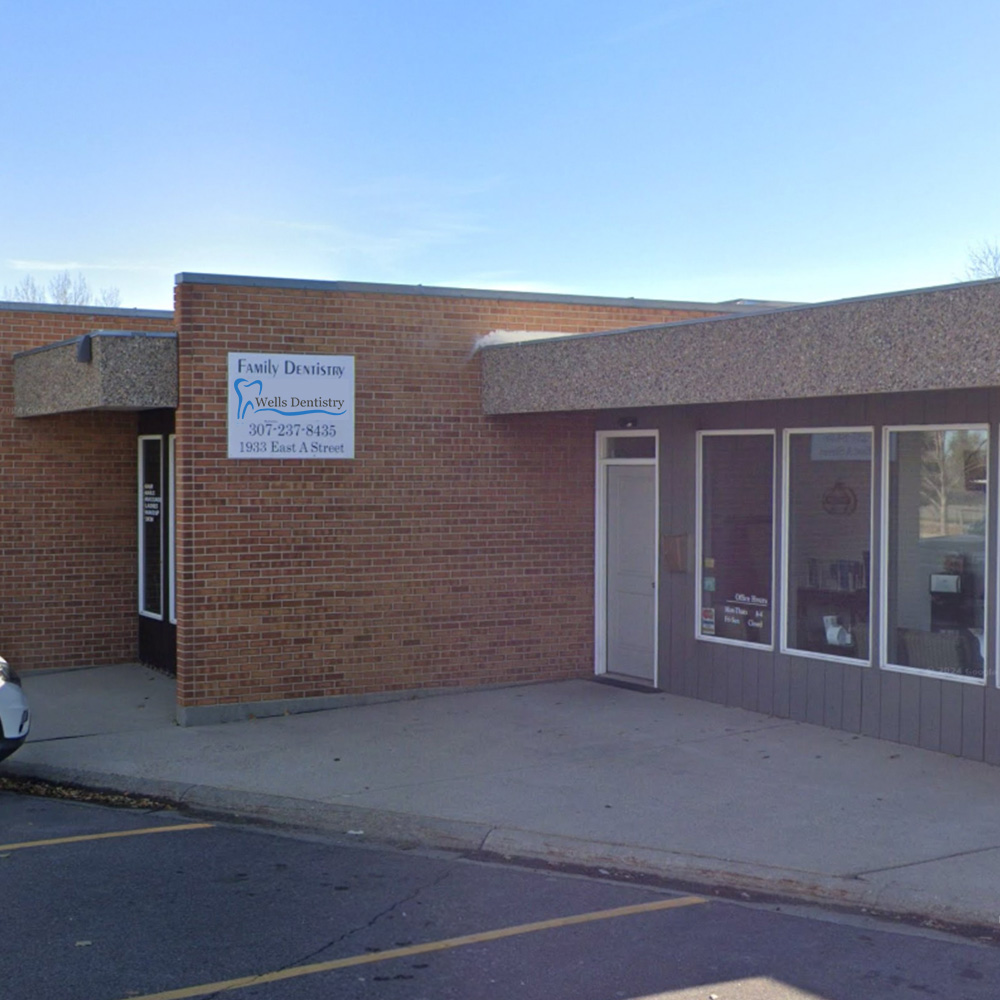
It's time for your check-up!
Scheduling your next visit or getting answers about our comprehensive dental services is simple when you contact Wells Dentistry. Our friendly administrative team is prepared to help you find the perfect appointment time, provide clarity on your treatment plan options, and efficiently manage any billing or insurance questions. We are ready to assist you by phone or via our quick online form. Contact us today and let us partner with you to maintain a healthy, beautiful smile for years to come.