At the office of Wells Dentistry, we believe preventive dental care is the foundation of lasting health. Oral disease rarely develops overnight; it usually emerges slowly, shaped by daily habits, diet, and biological risks. Research continues to show links between oral inflammation and broader health concerns, so tending to your mouth is an investment in your whole-body well-being. Our goal is to help patients keep small problems from becoming major ones through consistent, practical prevention.
Regular checkups are where prevention begins. During these visits, our clinicians evaluate your teeth, gums, bite, and soft tissues for early signs of decay, gum disease, and other abnormalities. Because many issues are painless in their earliest stages, visual inspection combined with professional cleaning is the best way to catch trouble before it escalates.
A professional cleaning removes hardened plaque (calculus) and bacterial film that brushing and flossing alone cannot fully eliminate. Removing these deposits helps reduce inflammation and supports healthier gum tissues, lowering the risk of progressive periodontal disease. Cleanings also give us a clearer view of developing problems that require closer monitoring or timely treatment.
Routine exams also include targeted screening for oral cancer and a review of any changes related to systemic health. By scheduling regular visits, we can establish a baseline for your oral health, making it easier to spot subtle changes over time and respond quickly when intervention is needed.
Prevention is not one-size-fits-all. Our team at Wells Dentistry builds individualized programs that reflect each patient's risk factors, schedule, and preferences. Whether you need more frequent cleanings due to gum disease risk, targeted instruction on flossing with braces, or diet guidance to limit acid exposure, a tailored plan helps you take realistic, sustainable steps toward better oral health.
Education is a key part of this process. We review effective brushing techniques, recommend appropriate tools (such as interdental brushes or powered toothbrushes), and demonstrate flossing methods for challenging situations. These clear, actionable recommendations empower patients to refine their daily routines and see measurable improvements between appointments.
We also consider lifestyle factors that influence oral health: tobacco use, nutrition, medications, and chronic medical conditions. By addressing these elements in the prevention plan, we help patients understand how choices outside the bathroom can affect their mouths and provide practical strategies to reduce risk.
Early detection keeps treatments simpler and recovery faster. When decay or periodontal changes are caught in their earliest phases, conservative measures often suffice to restore health. That’s why we use precise diagnostic approaches to identify problems that may not be obvious to the untrained eye.
Digital imaging and intraoral visualization tools allow us to examine tooth structure and supporting bone with greater clarity while minimizing discomfort. These technologies enhance our ability to locate hidden decay, assess bone levels around teeth, and document changes over time so patients can see and understand their oral health status.
Screening also extends to conditions of the soft tissues. A careful oral cancer screening looks for color changes, lumps, and other abnormalities in the mouth and throat that warrant further evaluation. The earlier such findings are addressed, the better the overall outlook for successful management.
Preventive care includes clinical treatments that strengthen teeth and shield vulnerable surfaces. For children and adolescents, dental sealants create a physical barrier over grooves where decay most often starts. Topical fluoride treatments help remineralize enamel and reduce sensitivity, offering an added layer of protection for both young patients and adults.
Adults also benefit from preventive therapies tailored to their needs. For patients with a history of decay or signs of enamel wear, focused remineralization strategies and habit counseling can slow or reverse early deterioration. For those with gum concerns, periodontal maintenance visits reduce bacteria and inflammation that contribute to tooth loss over time.
Additionally, protective appliances such as custom mouthguards can prevent sports injuries, and night guards can reduce wear from grinding. These interventions preserve dental structure and comfort, and they integrate smoothly into an overall prevention plan that changes with each life stage.
Prevention succeeds when good habits become second nature. Simple daily actions — effective brushing twice a day, daily interdental cleaning, and mindful eating habits — compound over months and years to maintain healthy teeth and gums. We help patients set achievable goals and track progress so improvements are sustainable.
Behavioral adjustments can be especially impactful: reducing sugary snacks, staying hydrated, and timing acidic beverages away from brushing are all practical steps that protect enamel and gum tissue. For tobacco users, quitting is one of the most important changes for oral and overall health; we offer guidance and resources to support that transition.
Finally, don’t wait for pain. Dental problems are often easier and less invasive to manage when caught early. By committing to regular preventive care and maintaining the daily practices discussed during visits, you’ll preserve function, comfort, and the confidence that comes with a healthy smile.
Summary: Prevention is the most effective strategy for long-term oral health. With tailored checkups, modern diagnostics, protective treatments, and practical home-care guidance, patients can minimize the need for complex procedures and support their overall wellness. Contact us for more information about how our preventive program can be adapted to your needs.


A preventative program is a coordinated set of clinical services and home-care guidance designed to stop dental problems before they start. It focuses on routine exams, professional cleanings, targeted screenings, and patient education to maintain oral health over time. By emphasizing early detection and conservative care, prevention reduces the need for more invasive treatment and supports overall well-being.
Oral health also affects systemic health, so preventing inflammation and infection in the mouth can have benefits beyond teeth and gums. A structured prevention plan helps establish baselines and track subtle changes that may signal risk. At Wells Dentistry we design these programs to be practical, evidence-based, and tailored to each patient’s needs.
Frequency depends on your individual risk factors, but most patients benefit from exams and cleanings every six months to maintain healthy teeth and gums. Patients with higher risk for gum disease, rapid decay, or certain medical conditions may need visits every three to four months for closer monitoring. Regular intervals allow clinicians to remove hardened plaque, reassess risk, and catch early signs of trouble when treatment is simplest.
During your initial visits we establish a baseline and recommend an interval that fits your oral health status, lifestyle, and treatment goals. Keeping to that schedule helps prevent progression of disease and supports long-term stability. If circumstances change, your clinician can adjust the frequency to match evolving needs.
A routine exam includes a visual evaluation of teeth, gums, bite, and soft tissues along with targeted screenings such as oral cancer checks and review of any changes tied to systemic health. Professional cleaning removes plaque and calculus deposits that brushing and flossing alone cannot fully eliminate, which reduces inflammation and helps preserve gum attachment. Your clinician will document findings, update X-rays or digital images if needed, and discuss any observations or recommendations.
The cleaning appointment typically involves scaling to remove buildup, polishing to smooth tooth surfaces, and individualized oral hygiene coaching. We use gentle techniques and modern tools to minimize discomfort while maximizing effectiveness. After the visit you will receive practical guidance to help maintain improvements until your next appointment.
Personalized plans begin with a comprehensive assessment of clinical findings, risk factors, habits, and medical history so care is aligned with each patient’s needs. We consider tobacco use, diet, medications, systemic conditions like diabetes, and orthodontic appliances when determining the type and frequency of preventive care. This information guides recommendations for recall intervals, home-care tools, and any adjunctive treatments needed to reduce risk.
Education is a core component of the plan; clinicians demonstrate brushing and interdental techniques and suggest appropriate devices such as interdental brushes or powered toothbrushes. We set realistic goals and provide step-by-step strategies to help patients adopt lasting habits. Progress is tracked at subsequent visits so plans can be refined as oral health improves or new concerns arise.
Early detection relies on a combination of visual exams and modern diagnostics that reveal issues not visible to the naked eye. Digital radiography, intraoral cameras, and other imaging tools allow clinicians to examine tooth structure, detect hidden decay, and assess bone levels with precision while minimizing radiation exposure. These technologies also help document changes over time so patients can see and understand their oral health status.
Careful soft tissue screening is included to check for color changes, lumps, or other abnormalities that may warrant further evaluation for oral cancer. Saliva and bacterial risk assessments are used in select cases to tailor preventive strategies. Using precise diagnostics increases the likelihood that problems will be managed conservatively and successfully when identified early.
Preventive treatments strengthen enamel and protect vulnerable areas to reduce the risk of decay and wear. Common clinical therapies include topical fluoride to enhance remineralization, dental sealants to shield molar grooves in children and adults, and focused remineralization protocols for early enamel breakdown. For patients who grind or play contact sports, custom night guards and athletic mouthguards are offered to protect teeth and supporting structures.
Periodontal maintenance visits are another key element for patients with gum concerns, helping to control bacteria and inflammation that threaten tooth stability. Recommendations are individualized so each patient receives the most appropriate combination of therapies for their stage of life and risk profile. Preventive treatments are integrated with daily home care to maximize long-term benefits.
Preventive priorities shift as patients move through life stages because risk factors, anatomy, and habits change over time. For children the focus is often on fluoride use, sealants, and habit counseling to protect developing teeth and establish healthy routines. Adolescents and adults may need orthodontic-specific hygiene instruction, targeted fluoride or remineralization for early wear, and strategies to manage diet-related acid exposure.
Older adults often face challenges such as receding gums, root decay, dry mouth from medications, and increased risk of periodontal disease, so maintenance visits and tailored hygiene strategies become more important. Preventive care in later years emphasizes preserving natural teeth, managing sensitivity, and coordinating with medical providers to address systemic factors. Across all ages, the goal remains to keep interventions conservative and focused on maintaining function and comfort.
Consistent, effective home care is the foundation of any preventative program, and small daily actions compound into major benefits over time. Brushing twice a day with a fluoride toothpaste, cleaning between teeth daily with floss or interdental brushes, and rinsing after acidic foods reduce plaque and protect enamel. Timing matters too: waiting a short period after acidic exposure before brushing helps prevent enamel abrasion.
Dietary choices and lifestyle habits also play a central role; limiting frequent sugary snacks, staying hydrated, and avoiding tobacco use significantly lower disease risk. We provide practical, personalized tips during visits so patients can adopt sustainable routines that fit their schedules. These behavioral changes, combined with professional care, are the most reliable path to lasting oral health.
Medical conditions such as diabetes, autoimmune disorders, and cardiovascular disease can affect oral health and influence preventive recommendations. Our clinicians review medical history and medications to identify interactions that impact saliva flow, healing capacity, and infection risk, then modify care plans accordingly. When appropriate, we communicate with a patient’s medical providers to ensure coordinated care and consistent messaging about risks and mitigation strategies.
For patients with systemic disease we may recommend shorter recall intervals, specific antimicrobial protocols, or adjunctive therapies to manage inflammation and reduce complications. Education about how systemic health affects the mouth empowers patients to make informed choices. Close monitoring and early intervention help preserve oral function and contribute to overall health management.
You should contact the office promptly if you notice signs that suggest advancing disease or acute problems, such as persistent bleeding, swelling, new or worsening pain, loose teeth, or sudden changes in bite. These symptoms can indicate infection, periodontal breakdown, or other issues that benefit from early evaluation to avoid more extensive treatment. Timely attention often allows for simpler, more predictable care and faster recovery.
Even if symptoms are mild, any unexplained change in your oral tissues or comfort level is worth reporting so clinicians can determine whether an interim visit is needed. Preventative care is most effective when it combines scheduled maintenance with responsive care for emerging concerns. If you are uncertain about a symptom, calling the office for guidance ensures it is addressed appropriately and without delay.
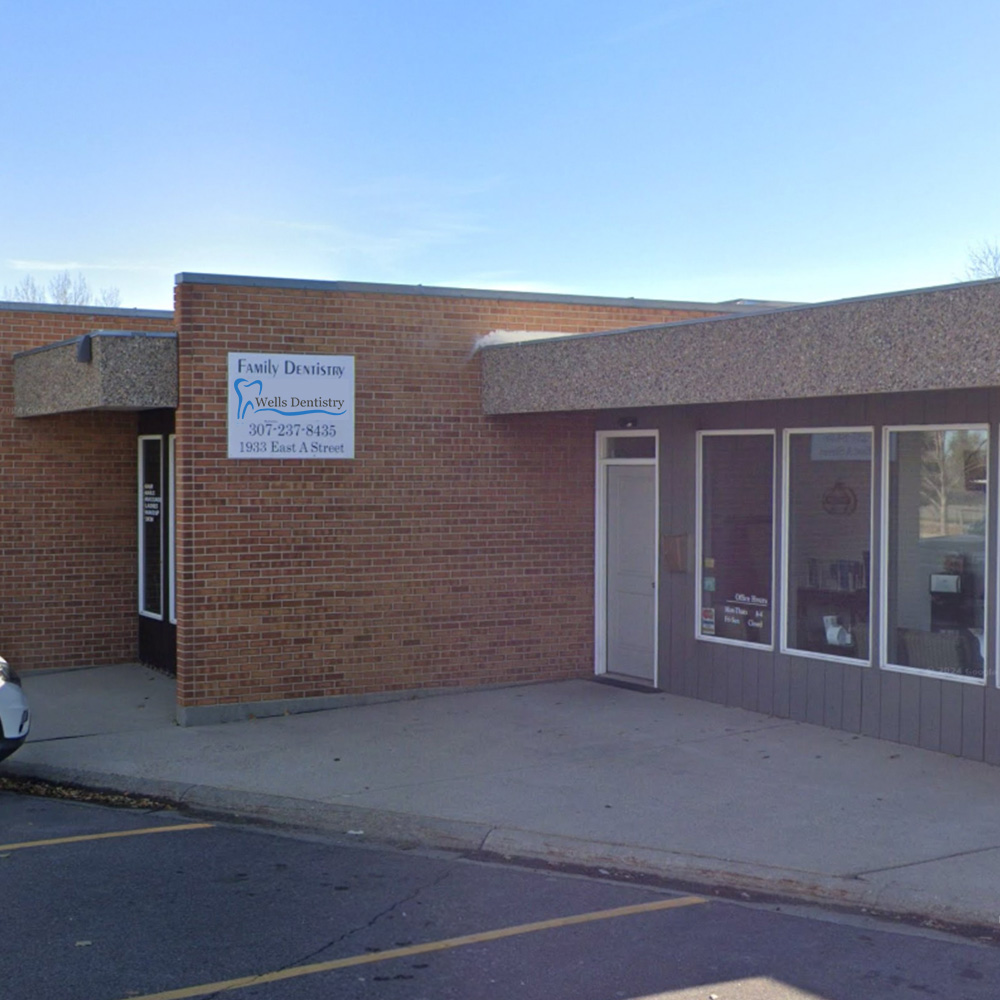
It's time for your check-up!
Scheduling your next visit or getting answers about our comprehensive dental services is simple when you contact Wells Dentistry. Our friendly administrative team is prepared to help you find the perfect appointment time, provide clarity on your treatment plan options, and efficiently manage any billing or insurance questions. We are ready to assist you by phone or via our quick online form. Contact us today and let us partner with you to maintain a healthy, beautiful smile for years to come.