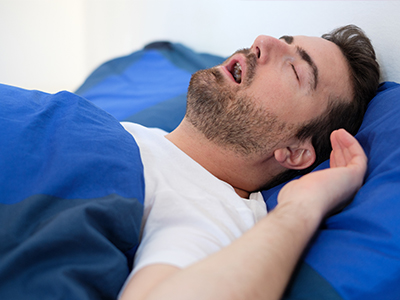
Restorative sleep is a cornerstone of physical and mental well-being. When nightly breathing is interrupted, the effects ripple through daytime energy, mood, concentration, and long-term health. Millions of adults experience obstructive sleep apnea or habitual snoring that undermines restorative sleep. At Wells Dentistry, we focus on the dental factors that contribute to airway obstruction and offer clinically informed, patient-centered approaches that support safer, more restful nights.
Sleep apnea is more than a nuisance; it is a medical condition marked by repeated interruptions of breathing during sleep. Each pause—whether brief or prolonged—disrupts the sleep cycle and reduces the oxygen available to the body. Over time, these repeated stressors increase strain on the cardiovascular system and make daytime functioning more difficult.
Beyond fatigue and poor concentration, untreated sleep apnea is associated with higher risks for conditions such as high blood pressure, heart disease, and metabolic concerns. The pattern of fragmented sleep can also worsen mood and cognitive sharpness, making effective diagnosis and management essential for overall health.
Because symptoms can be subtle or attributed to other causes, many people live with sleep apnea for years before seeking care. Early recognition and a coordinated care plan that includes dental expertise can shorten that delay and improve both sleep quality and broader health outcomes.
Some of the clearest indicators of sleep-disordered breathing are observed at night: loud, chronic snoring; witnessed pauses in breathing; and abrupt awakenings accompanied by gasping or choking. These events are often reported by bed partners or family members, who may notice the pattern before the affected person becomes aware.
Daytime symptoms provide additional clues. Excessive sleepiness during routine activities, difficulty with attention or memory, persistent morning headaches, and irritability are all commonly reported by people with obstructive sleep apnea. Because these signs overlap with other conditions, they should prompt a professional evaluation rather than self-diagnosis.
Certain physical features can raise clinical suspicion as well—narrow airway anatomy, enlarged tongue or tonsils, a retruded jaw, or significant weight gain. A comprehensive assessment that considers both nighttime observations and daytime effects helps guide appropriate next steps.
Diagnosis typically begins with a thorough history and screening to identify risk factors and symptoms. Medical and dental professionals will evaluate sleep patterns, daytime complaints, and anatomical contributors visible in the mouth and airway. Questionnaires and targeted examinations help determine whether further testing is warranted.
The definitive assessment for sleep apnea is a sleep study, which documents breathing pauses, oxygen levels, and sleep stages overnight. These studies can be conducted in a sleep laboratory or, for many patients, through validated home sleep testing devices that measure airflow, respiratory effort, and oxygen saturation. The type of study recommended depends on the complexity of symptoms and accompanying medical conditions.
Results from testing are used to determine the severity of the condition and to inform a personalized treatment plan. Dental professionals play a crucial role when oral anatomy contributes to airway collapse, working in coordination with physicians and sleep specialists to create an effective, interdisciplinary approach.
Continuous positive airway pressure (CPAP) therapy remains the most widely prescribed and studied treatment for moderate to severe obstructive sleep apnea. A CPAP device delivers a steady stream of pressurized air through a mask to keep the airway open during sleep. For many patients, consistent CPAP use significantly reduces apneas and improves daytime functioning.
However, adherence can be a barrier for some individuals due to mask fit, comfort, or device tolerance. In these situations, alternative therapies are considered. Positional therapy, lifestyle modifications such as weight management and sleep hygiene, and targeted medical treatments may help reduce symptoms or complement other therapies.
Importantly, treatment planning is individualized. A collaborative approach between the patient’s physician, sleep medicine specialist, and dental provider ensures that options are weighed against each person’s anatomy, symptom profile, and preferences to find the most sustainable solution.
For people with mild to moderate obstructive sleep apnea, or those who cannot tolerate CPAP, custom oral appliances offer an effective, noninvasive alternative. These devices are crafted to reposition the lower jaw and tongue slightly forward, creating more space in the upper airway and reducing the likelihood of collapse during sleep.
Unlike over-the-counter mouthpieces, custom appliances are made from precise impressions of the teeth and tailored to an individual’s bite and oral anatomy. This customization improves comfort, retention, and therapeutic effectiveness. Regular adjustments and follow-up are part of the process to ensure the device continues to deliver the desired airway support.
As dental professionals, we focus on appliance design, fit, and ongoing monitoring to protect both airway health and the long-term integrity of the bite and dentition. Periodic evaluations include checking for jaw joint comfort, tooth movement, and appliance wear. When delivered as part of an integrated care plan, oral appliances can greatly improve sleep quality and daytime wellbeing.
Effective management of sleep apnea often involves multiple clinicians working together. Primary care providers, sleep physicians, and dental specialists each bring important perspectives—medical risk assessment, diagnostic testing, and oral appliance therapy or appliance-related care. Communication among providers ensures that treatment choices are safe, evidence-based, and aligned with the patient’s goals.
Long-term follow-up is essential because sleep apnea can change over time. Weight fluctuations, aging, dental changes, and evolving medical conditions can all influence airway dynamics. Routine reassessment allows care teams to adjust therapies, replace or recalibrate appliances, and address any new concerns promptly.
At every step, patient education and shared decision-making remain central. Understanding the benefits and limitations of each option empowers patients to participate actively in their care and promotes better adherence and outcomes.
Sleep apnea is a manageable condition when identified early and treated appropriately. If you suspect you or a loved one may be experiencing sleep-disordered breathing, Wells Dentistry can help evaluate whether dental-related treatments are a suitable component of your care plan. Contact us for more information about our approach and how we can support healthier sleep.


Obstructive sleep apnea is a common sleep-related breathing disorder characterized by repeated partial or complete blockages of the upper airway during sleep. These events interrupt normal sleep architecture and cause brief awakenings that the person may not recall. The resulting fragmentation reduces restorative sleep and can leave a person feeling unrefreshed.
Apneas and hypopneas lower blood oxygen levels and trigger stress responses that increase heart rate and blood pressure. Over time, these physiological strains contribute to cardiovascular and metabolic risks. Early recognition and treatment can reduce these long-term health impacts by restoring uninterrupted breathing during sleep.
Nighttime signs often include loud, habitual snoring, observed pauses in breathing, and sudden gasping or choking episodes that awaken the sleeper. Bed partners frequently notice these patterns before the affected person recognizes a problem. Fragmented sleep may also cause frequent nighttime awakenings and restless sleep.
Daytime symptoms commonly include excessive sleepiness, difficulty concentrating, morning headaches, and mood changes such as irritability. Some people report memory lapses or reduced performance at work or school related to poor sleep quality. Because these signs overlap with other conditions, professional screening is important to identify sleep-disordered breathing.
Diagnosis begins with a clinical evaluation that reviews symptoms, medical history, and physical features that may contribute to airway narrowing. Providers often use validated questionnaires and targeted examinations of the oral cavity, jaw position, and neck anatomy to assess risk. When indicated, clinicians recommend objective testing to quantify breathing events and oxygen levels during sleep.
The definitive test is a sleep study, performed either in a sleep laboratory or with an at-home device selected based on clinical complexity. These tests record airflow, respiratory effort, oxygen saturation, and sometimes sleep stages to determine severity. Results guide the treatment plan and help clinicians decide whether dental therapies, CPAP, or other interventions are appropriate.
Treatment selection depends on the severity of sleep apnea, patient anatomy, comorbid conditions, and personal preferences. For moderate to severe cases, continuous positive airway pressure (CPAP) therapy is the most extensively studied and effective option to keep the airway open during sleep. Lifestyle measures such as weight management, positional therapy, and improved sleep hygiene are recommended complements for many patients.
When CPAP is not tolerated or for mild to moderate cases, alternative strategies include custom oral appliances, positional devices, and targeted medical or surgical therapies evaluated by specialists. An interdisciplinary approach that combines medical and dental expertise often yields the best outcomes. Regular follow-up ensures therapies remain effective as health and anatomy change over time.
Oral appliance therapy uses a custom-made device worn during sleep to reposition the lower jaw and tongue forward, increasing space in the upper airway and reducing collapse. These appliances are fabricated from precise dental impressions and adjusted for occlusion and comfort to maximize therapeutic benefit. Unlike generic or over-the-counter mouthpieces, professionally made appliances are calibrated to the patient's bite and anatomy.
Dental providers monitor appliance fit, jaw comfort, and tooth movement over time, making adjustments as needed to sustain airway improvement. At Wells Dentistry, clinicians coordinate with sleep physicians to confirm appliance effectiveness and to support integrated care. Routine follow-up combines device checks and, when appropriate, repeat testing to verify clinical results.
Good candidates for oral appliance therapy typically have mild to moderate obstructive sleep apnea or snoring that is primarily due to upper airway collapse. Candidates may also include patients with more severe sleep apnea who cannot tolerate CPAP despite attempts at optimization. A comprehensive evaluation of dental health, jaw alignment, and airway anatomy is required before prescribing an appliance.
Dental factors such as sufficient teeth for appliance retention, healthy periodontal status, and stable bite increase the likelihood of a successful outcome. Individuals with certain jaw or tooth movement concerns may need close monitoring or alternative treatments. Shared decision-making with the dental and medical teams helps match the right therapy to each patient’s unique needs.
CPAP remains the most effective treatment for eliminating apneas across a range of severities when patients use it consistently. Oral appliances are generally less effective than CPAP at reducing the number of apnea events but are often better tolerated and therefore more likely to be used nightly by some patients. The choice often balances efficacy with adherence, comfort, and patient preference.
For mild to moderate cases, properly fitted oral appliances can provide meaningful improvement in sleep quality and daytime symptoms. For patients unable to tolerate CPAP, an oral appliance offers a validated, noninvasive alternative that can be part of a long-term management plan. Ongoing monitoring and, when needed, combination therapies help optimize outcomes.
Common short-term effects include increased salivation, transient jaw muscle soreness, and mild discomfort as the mouth adapts to the appliance. Most of these symptoms improve with gradual use and minor adjustments by the dental provider. Immediate communication with the clinician helps address fit issues and minimizes discomfort.
Longer-term considerations include possible changes in tooth position, bite alteration, and temporomandibular joint symptoms that require periodic surveillance. Regular dental follow-up is essential to detect and manage these changes early and to preserve both airway benefits and dental health. In some cases, alternative therapies may be recommended if adverse effects outweigh benefits.
Daily cleaning with a soft toothbrush and nonabrasive toothpaste or a manufacturer-recommended cleaner prevents buildup and preserves fit. Appliances should be rinsed after removal and stored in a ventilated case when not in use to avoid moisture-related damage. Regular inspection for cracks, warping, or worn components helps flag replacement needs before performance declines.
Patients should bring the appliance to dental appointments so the clinician can evaluate fit, retention, and any changes in bite or jaw comfort. Follow-up intervals vary but typically include an initial series of checks after delivery and then periodic reassessment at least annually or sooner if symptoms recur. Prompt attention to changes ensures ongoing therapeutic benefit and reduces the risk of dental complications.
Effective sleep apnea care is typically multidisciplinary, involving primary care physicians, sleep specialists, and dental clinicians to address both medical risk and airway mechanics. Medical providers assess cardiovascular risk, medication effects, and comorbid conditions while sleep specialists interpret diagnostic testing and prescribe therapies such as CPAP or surgery. Dentists contribute by evaluating oral anatomy and providing custom oral appliances when appropriate.
Communication among team members ensures that treatment choices are coordinated, safe, and evidence-based, with clear plans for monitoring and escalation if symptoms persist. Shared decision-making with the patient aligns therapy with preferences and daily life, which improves adherence and clinical outcomes. Objective follow-up, including symptom assessment and repeat testing when needed, verifies that the chosen approach is effective.
When dental appliance therapy is recommended, the dental team works closely with the patient’s sleep physician to confirm suitability and to arrange outcome measures such as home testing or symptom tracking. At Wells Dentistry, clinicians emphasize coordinated care pathways and timely communication to support integrated management and long-term follow-up. This collaborative model helps ensure that airway health and overall medical needs are addressed together.

It's time for your check-up!
Scheduling your next visit or getting answers about our comprehensive dental services is simple when you contact Wells Dentistry. Our friendly administrative team is prepared to help you find the perfect appointment time, provide clarity on your treatment plan options, and efficiently manage any billing or insurance questions. We are ready to assist you by phone or via our quick online form. Contact us today and let us partner with you to maintain a healthy, beautiful smile for years to come.