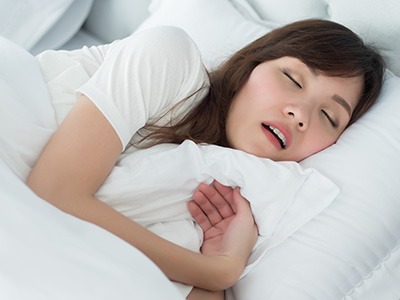
Snoring happens when breathing through the nose or mouth is partially obstructed during sleep, causing soft tissues at the back of the throat to vibrate. Nearly everyone snores occasionally, but for some it becomes a regular disruption that affects sleep quality and daytime energy. Snoring can be intermittent—worse after alcohol or a late night—or more persistent when driven by anatomy or chronic conditions.
Multiple factors influence how freely air moves while you sleep. Structural features such as a deviated septum, enlarged tonsils, a long soft palate, or a large uvula can narrow the airway. Muscle tone also matters: when throat and tongue muscles relax deeply during sleep the airway can collapse more readily, especially if you sleep on your back.
Other contributors include lifestyle and sleep patterns. Alcohol, certain medications, and sleep deprivation all increase tissue relaxation and the likelihood of vibration. Age and weight changes can also play a role, as can nasal congestion from allergies or chronic sinus issues. Understanding the mix of these influences helps pinpoint the most effective treatment approach.
Not all snoring indicates a serious disorder, but loud, frequent snoring can be a symptom of obstructive sleep apnea (OSA), a condition in which breathing repeatedly stops and starts during sleep. Differentiating between “primary snoring” (snoring without breathing pauses) and sleep-disordered breathing usually begins with a careful history and, when indicated, a sleep study ordered by a physician or sleep specialist.
Signs that suggest a referral to a sleep clinician include witnessed breathing pauses, gasping or choking at night, excessive daytime sleepiness, morning headaches, and high blood pressure. Your dental provider can help screen for these red flags and coordinate with medical partners to ensure a comprehensive evaluation when necessary.
For people who are primary snorers—those who snore but do not meet criteria for sleep apnea—dental appliances offer a conservative, effective option. If sleep apnea is suspected or confirmed, an oral appliance may still be appropriate as part of a coordinated care plan, but treatment decisions should be made collaboratively with a sleep physician.
Custom snoring appliances, often called mandibular advancement devices (MADs), are designed to hold the lower jaw forward just enough to increase the size of the upper airway. This forward positioning reduces soft-tissue vibration and helps air flow more smoothly during sleep. Because the device is worn only at night and is removable, many patients prefer it to more invasive treatments.
These appliances are crafted from impressions or digital scans of your teeth so the fit is precise and comfortable. The resulting device resembles a thin, closely fitting mouthguard or orthodontic retainer, and it is engineered to allow normal jaw movement while maintaining the gentle forward posture that reduces snoring.
The mechanism is straightforward but clinically effective: by preventing the jaw and tongue from falling backward, an oral appliance reduces the tendency for airway collapse and the characteristic vibrations that produce snoring. For appropriate candidates, the improvement in sleep and reduced disturbance to bed partners can be significant.
Initial evaluation typically starts with a focused medical and dental history, including questions about sleep habits, daytime sleepiness, and any history of breathing pauses. A basic oral exam assesses jaw alignment, dental health, and the suitability of teeth and bite for an appliance. If sleep apnea is suspected, your dental team will recommend medical evaluation and testing before beginning appliance therapy.
When an appliance is indicated, impressions or intraoral scans are taken to capture your dental anatomy precisely. The lab then fabricates the custom device based on those records and the prescribed degree of jaw advancement. Once the appliance is returned from the lab, your clinician will fit it, fine-tune the position, and provide wearing and care instructions.
Follow-up is an important part of success. Patients usually return for adjustments after a few weeks to optimize comfort and effectiveness. Periodic checks—often every six to twelve months—ensure the appliance is functioning properly, that dental and jaw health remain stable, and that any needed modifications are made. Communication with your sleep physician is recommended when therapy follows a diagnosis of sleep apnea.
For many primary snorers, a well-made oral appliance improves nighttime noise, reduces sleep disruption, and can restore more restorative sleep for both the patient and their partner. Compared with other options, the appliance is non-surgical, reversible, and easy to use, which makes it an attractive first-line dental approach for suitable patients.
Routine care helps the device perform well over time. Clean the appliance daily with a soft brush and mild soap or a recommended cleaner, store it dry in its case, and avoid hot water that can deform the material. Keep up with regular dental visits to monitor for tooth movement, bite changes, or jaw discomfort that can sometimes occur with long-term use.
Not everyone is an ideal candidate for an oral appliance—those with inadequate dental support, significant jaw joint disorders, or severe sleep apnea may need alternative or additional therapies. If you experience new or worsening daytime sleepiness, persistent jaw pain, or changes in how your teeth meet, reach out promptly so adjustments or different strategies can be considered.
If you’re curious whether a snoring appliance might help you or a loved one, the office of Wells Dentistry can evaluate your situation and discuss next steps. Contact us for more information or to schedule an assessment with our team.


Snoring occurs when airflow is partially blocked during sleep and soft tissues at the back of the throat vibrate as air passes by. This can happen occasionally to nearly everyone, but for some people snoring becomes a regular disturbance that degrades sleep quality and daytime alertness. Structural features, such as a deviated septum, enlarged tonsils, a long soft palate, or a large uvula, can make airway narrowing more likely.
Muscle tone and sleep habits also influence how readily the airway collapses at night; alcohol, sedative medications, and sleep deprivation increase tissue relaxation and the chance of snoring. Body weight, age-related changes, and chronic nasal congestion from allergies or sinus disease can further contribute. Identifying the combination of these factors helps determine the most appropriate treatment approach.
Custom snoring appliances, commonly called mandibular advancement devices, hold the lower jaw slightly forward to enlarge the upper airway and reduce soft-tissue vibration. By preventing the jaw and tongue from falling backward, the device decreases the tendency for airway collapse and the characteristic noise of snoring. The appliances are removable and typically worn only during sleep, which makes them a conservative and reversible option for many patients.
Devices are made from impressions or digital scans of the teeth so the fit is precise and comfortable, resembling a thin mouthguard or orthodontic retainer. Most designs allow limited natural jaw movement while maintaining the forward posture needed to improve airflow. For suitable candidates, this mechanical adjustment can substantially reduce snoring and improve sleep for both the wearer and their bed partner.
Good candidates for a snoring appliance are typically adults who snore regularly but do not have moderate to severe obstructive sleep apnea or who have been approved for oral appliance therapy by a sleep physician. Adequate dental support is important; patients should have enough healthy teeth or stable dental restorations to retain the device securely. People with severe periodontal disease, very loose teeth, or insufficient dental anchorage may not be suitable without first addressing those dental issues.
Patients with significant temporomandibular joint disorders require careful assessment because advancing the jaw can sometimes exacerbate jaw pain or dysfunction. A coordinated evaluation between the dental team and a sleep specialist is recommended when symptoms suggest sleep-disordered breathing or when medical conditions may affect treatment. Your dentist can perform a focused oral exam and recommend the safest path forward.
Continuous positive airway pressure (CPAP) delivers pressurized air to keep the airway open and is considered the standard treatment for moderate to severe obstructive sleep apnea. Oral appliances work differently by repositioning the jaw to mechanically enlarge the airway and reduce snoring and mild sleep-disordered breathing. For people with mild sleep apnea or primary snoring, an oral appliance can be an effective, less intrusive alternative that many patients find easier to tolerate.
When sleep apnea is suspected or diagnosed, decisions about therapy should be made in collaboration with a sleep physician; some patients benefit from combined or stepped approaches. A dental appliance may be appropriate for those who cannot tolerate CPAP, for travel, or as part of a long-term maintenance strategy following physician guidance. Ongoing follow-up with both the dental and medical teams ensures therapy remains effective and safe.
Evaluation begins with a detailed medical and dental history, questions about sleep patterns and daytime sleepiness, and an oral exam to assess jaw alignment, bite, and dental health. If sleep apnea is suspected, your dental team will recommend medical evaluation and sleep testing before starting appliance therapy. When an appliance is indicated, impressions or intraoral scans capture your dental anatomy so the laboratory can fabricate a device tailored to your bite and the prescribed amount of jaw advancement.
After the appliance is fitted, the clinician will fine-tune the position and review wearing and care instructions. Patients typically return after a few weeks for adjustments to optimize comfort and effectiveness, and periodic checks every six to twelve months help monitor dental and jaw health. Coordination with your sleep physician is advised when therapy follows a diagnosis of sleep-disordered breathing to confirm symptom improvement and address any medical concerns.
Many patients tolerate oral appliances well, but some experience side effects during the adjustment period, including mild jaw soreness, tooth sensitivity, or increased salivation. These symptoms often improve within a few days to weeks as muscles adapt and the device is adjusted. Less commonly, long-term use can lead to changes in tooth position or bite, so regular dental monitoring is important to detect and manage tooth movement early.
People with preexisting temporomandibular joint issues may notice worsening jaw discomfort and should be evaluated carefully before beginning therapy. If persistent jaw pain, new dental problems, or worsening daytime sleepiness occur, contact your dental provider promptly so the appliance can be adjusted or alternative strategies considered. Balancing symptom relief with dental and jaw health is a key part of safe, effective treatment.
Daily cleaning preserves hygiene and helps prevent odor and buildup; brush the appliance gently with a soft toothbrush and mild, non-abrasive soap or a manufacturer-recommended cleaner. Avoid hot water or harsh chemicals that can deform or damage the material. After cleaning, rinse thoroughly and store the device dry in its protective case between uses to limit bacterial growth and physical damage.
Bring the appliance to dental appointments so the clinician can inspect it for wear, cracks, or fit issues and perform any necessary adjustments. If you travel, keep the device in its case and follow the same cleaning routine to maintain performance. Proper care prolongs the life of the appliance and helps ensure consistent therapeutic benefit.
Longevity varies with the type of device, materials used, patient habits, and how well the appliance is cared for; many appliances last several years with proper maintenance. Regular dental checkups allow the clinician to assess wear, structural integrity, and fit, which helps determine when replacement is needed. Signs that an appliance should be replaced include visible cracks, persistent fit problems, or a noticeable return of snoring despite continued use.
If you notice changes in how the device fits, increased discomfort, or new dental symptoms such as bite shifts or tooth mobility, schedule an appointment for evaluation. Periodic reevaluation also ensures that any evolving medical or dental conditions are accounted for in ongoing therapy. Timely replacement preserves effectiveness and reduces the risk of unintended dental side effects.
Whether an oral appliance is appropriate depends on the specific dental situation. Full removable dentures generally do not provide the stable anchorage needed for most mandibular advancement devices, whereas stable dental implants and well-supported fixed restorations can sometimes be compatible after careful evaluation. Orthodontic appliances or braces may complicate fitting and require specialized designs or timing of therapy in coordination with your orthodontist.
Patients with significant temporomandibular joint disorders need a cautious approach because jaw advancement can stress the joint and worsen symptoms. A thorough dental and TMJ assessment helps determine whether a modified appliance, alternative treatment, or conservative joint therapy should come first. Your dentist can review your oral health and make personalized recommendations that prioritize both airway improvement and dental and joint health.
Seek medical evaluation if snoring is loud and frequent or is accompanied by witnessed breathing pauses, choking or gasping during sleep, excessive daytime sleepiness, morning headaches, or new or worsening high blood pressure. These symptoms can indicate obstructive sleep apnea, a condition that requires medical diagnosis and often coordinated care between sleep medicine and dentistry. Your dental provider can screen for red flags and recommend a referral when appropriate.
If a sleep study confirms sleep apnea, treatment decisions should be made collaboratively with a sleep physician; an oral appliance may be part of a multidisciplinary plan for some patients. Even when appliance therapy is initiated for primary snoring, ongoing communication between the dental team and medical providers helps track outcomes and ensures that any emerging health concerns receive prompt attention. For patients in Casper, WY, Wells Dentistry can help evaluate snoring concerns and coordinate referrals as needed.

It's time for your check-up!
Scheduling your next visit or getting answers about our comprehensive dental services is simple when you contact Wells Dentistry. Our friendly administrative team is prepared to help you find the perfect appointment time, provide clarity on your treatment plan options, and efficiently manage any billing or insurance questions. We are ready to assist you by phone or via our quick online form. Contact us today and let us partner with you to maintain a healthy, beautiful smile for years to come.