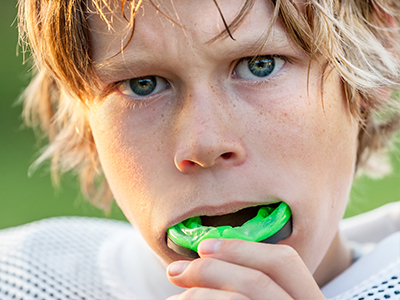
Sports-related impacts are a common source of dental and facial injuries, and many of those injuries are preventable. A properly fitted mouthguard creates a protective barrier between the teeth and soft tissues, helping to absorb and disperse force that might otherwise cause fractures, tooth displacement, or cuts to the lips and tongue. For athletes of all ages—children in youth leagues through adults in recreational and competitive sports—the right mouthguard reduces both the severity and frequency of oral trauma.
Beyond protecting individual teeth, mouthguards can also help protect the jaw and reduce the risk of concussion by cushioning blows to the lower face and dissipating energy. They are particularly important in contact and collision sports but can be beneficial in any activity where falls or high-speed objects are possible. Encouraging consistent use during practices and games is one of the most effective ways to lower the risk of preventable dental emergencies.
At Wells Dentistry, we emphasize preventive measures that support long-term oral health. Recommending mouthguards is part of that preventative approach because keeping natural teeth intact preserves function and reduces the need for complex restorative care later on.
Consumers typically encounter three main categories of mouthguards: stock (ready-made), boil-and-bite, and custom-fitted devices. Stock mouthguards are pre-formed and inexpensive, but they often fit poorly and can interfere with breathing and speech. Boil-and-bite options allow some molding at home by softening the material in hot water and shaping it around the teeth; they generally fit better than stock guards but have limitations in comfort and long-term stability.
Custom-fitted mouthguards are crafted from impressions taken by a dental professional and fabricated in a dental laboratory. These provide a precise fit, superior comfort, and consistent coverage, which improves protection and user compliance. For athletes with orthodontic appliances, partial dentures, or other dental work, custom guards can be designed to accommodate those features while maintaining an effective protective seal.
Choosing the right type depends on the level of protection needed, how often the mouthguard will be used, and individual dental anatomy. A dental consultation helps determine whether a custom option is warranted or whether an over-the-counter solution is appropriate for occasional recreational use.
Custom mouthguards offer several practical advantages beyond simply covering teeth. Because they are modeled from impressions or digital scans of a patient’s mouth, they sit snugly and evenly distribute impact forces, which helps reduce localized pressure points that can cause jaw pain or tooth movement. Better fit translates to improved comfort, which makes athletes more likely to wear them consistently during play and practice.
Comfort also affects breathing and speech—critical factors for high-performance athletes. A well-designed custom guard minimizes interference with breathing and communication, allowing athletes to perform without distraction. It can also be fabricated with materials and thicknesses tailored to the athlete’s sport and position, balancing cushioning with the need to speak or take quick breaths during intense activity.
Durability is another consideration. Custom mouthguards tend to hold up longer than over-the-counter options because of higher-quality materials and accurate fit. That makes them a sensible long-term choice for athletes who train frequently or compete at higher levels, where reliable protection is essential.
Proper fit is the most important factor in a mouthguard’s effectiveness. It should stay securely in place without needing to be bitten down constantly, and it should feel stable during normal jaw movements. Patients should inspect their mouthguard before each use—checking for tears, thinning, or distortion—and perform a quick fit test to ensure it still seats properly. Any significant changes in bite or comfort warrant replacement or refitting.
Cleaning and storage are straightforward but critical. Rinse the guard after each use, brush it gently with a toothbrush and toothpaste or mild soap, and store it in a ventilated case away from direct heat. Avoid leaving it in a car or exposed to sunlight, as heat can warp the material. Periodic professional checks during regular dental visits can catch wear-and-tear issues early and ensure the guard continues to perform effectively.
Children and adolescents need special attention because their mouths and jaws change as they grow. A mouthguard that fits well today may become ill-fitting within months for a growing athlete, so more frequent inspection and replacement are prudent. Adults should also replace guards that show damage or no longer fit comfortably.
Wearing a mouthguard is recommended during all organized activities where there’s a risk of collision, falling, or being struck by an object—this includes sports such as football, hockey, lacrosse, basketball, soccer, skateboarding, and cycling. However, mouthguards can also be valuable in non-contact sports that involve speed or risk of accidental impact, like gymnastics or mountain biking. Coaches, parents, and athletes should view mouthguards as standard protective equipment, comparable to helmets and pads.
Individuals with braces, implants, or other dental restorations may need specially adapted mouthguards. Orthodontic appliances are vulnerable to damage from impact, and ill-fitting guards can cause discomfort or even exacerbate injury. A dental professional can recommend or design a mouthguard that accommodates appliances and provides sufficient coverage. Similarly, athletes with a history of dental trauma or a single remaining front tooth should consider the enhanced protection that a custom guard can provide.
Finally, encourage education and routine: athletes who understand how a mouthguard protects their long-term oral health are more likely to use them consistently. Coaches and team administrators can support this by including mouthguard policies in training and making inspections part of pre-game routines.
Summary and Next Steps
Protecting the mouth during athletic activity is a simple yet powerful step toward avoiding preventable dental injuries. From over-the-counter options to precision-made custom guards, there are solutions for virtually every athlete and situation. If you’d like personalized guidance on the best mouthguard option for your needs or for a family member, please contact Wells Dentistry to learn more. Our team can help you select, fit, and maintain the right protection so you can focus on the game with confidence.


There are three common types of mouthguards: stock, boil-and-bite, and custom-fitted. Stock guards are pre-formed and ready to wear but often provide a poor fit, while boil-and-bite models can be molded at home for a better fit than stock options. Custom-fitted mouthguards are made from impressions or digital scans and offer the best combination of fit, comfort, and protection.
Choosing the right type depends on how often the guard will be used, the level of contact in the sport, and the athlete’s dental anatomy. For frequent players, individuals with dental restorations, or athletes with braces, a custom-fitted guard typically provides more reliable protection and greater comfort. For occasional recreational use, a well-fitted boil-and-bite guard may be acceptable if a custom option is not practical.
Custom-fitted mouthguards are made to match the exact contours of an athlete’s teeth and gums, which improves retention and comfort. Because they distribute impact forces evenly and reduce localized pressure, they help protect teeth, soft tissues, and the jaw more effectively than generic guards. Better comfort and fit also increase the likelihood that athletes will wear them consistently during practices and games.
Custom guards can be tailored in thickness and material to balance protection with breathing and speech needs, which is important for higher-level competitors. They are fabricated from higher-quality materials and often last longer than over-the-counter options when cared for properly. For people with orthodontic appliances or unique dental work, custom guards can be designed to accommodate those features safely.
The process begins with an evaluation of the athlete’s mouth and a precise impression or digital scan of the teeth and bite. The dental team uses this record to fabricate a mouthguard in a dental laboratory, where technicians layer and shape materials to meet the prescribed thickness and coverage. The result is a device that fits snugly, allows normal breathing and speech, and provides consistent protective coverage.
After fabrication, the dentist checks the fit and makes any minor adjustments to ensure comfort and proper retention. The patient receives instructions on wearing, cleaning, and storing the guard, along with advice on when to return for a refit. In some cases the guard can be remade or relined if the wearer’s dental situation changes significantly.
Proper cleaning and storage extend the life of a mouthguard and reduce bacterial buildup. Rinse the guard under cool water immediately after use, brush it gently with a toothbrush and mild soap or nonabrasive toothpaste, and allow it to air dry before storing it in a ventilated case. Avoid exposing the guard to high heat or direct sunlight, which can warp the material and compromise fit.
Perform a routine inspection before each use to check for tears, thinning, or distortion, and replace the guard if you notice significant wear. Periodic professional checks during dental visits can identify subtle fit changes or damage that require attention. For younger athletes, more frequent cleaning and inspections are important since growth can alter fit quickly.
Children should have their mouthguards checked regularly because their teeth and jaws can change rapidly during growth. A guard that fits well today may become loose or cause bite changes within a few months as permanent teeth erupt and facial structure develops. Regular inspections after growth milestones or orthodontic adjustments help ensure continued protection.
Replace a guard immediately if it shows tears, extensive thinning, or if the child reports discomfort or difficulty breathing or speaking while wearing it. If your child is undergoing orthodontic treatment, consult with your dentist to determine whether a new custom guard or a modified design is needed to accommodate braces. Keeping a spare guard on hand is also a practical precaution for busy families.
Yes, but specialized designs are often required to protect both the dental appliance and the mouth effectively. Standard over-the-counter guards may not accommodate braces or implant-supported restorations safely, and ill-fitting devices can cause pressure points or allow movement of orthodontic hardware. A custom-fitted mouthguard can be made to provide clearance for brackets and wires or to protect areas surrounding implants and crowns.
Discuss your dental appliances with the dentist so the guard can be designed to fit around them while maintaining a protective seal. In some cases, periodontal or prosthetic considerations will influence material selection and thickness. Regular follow-up is important to adjust or remake the guard as orthodontic treatment progresses or prosthetic work changes.
Mouthguards primarily protect teeth, gums, and soft tissues, and they can help cushion forces to the jaw that might otherwise transmit to the skull. While research shows mouthguards can reduce the severity of certain oral and facial injuries, evidence on their effectiveness in preventing concussion is mixed and varies by study. A properly fitted guard that absorbs and dissipates impact forces may reduce some transmitted energy to the head, but it should not be relied upon as the sole strategy for concussion prevention.
Concussion risk is best addressed through a combination of protective equipment, proper technique, rule enforcement, and training in safe play. Coaches and athletes should follow sport-specific concussion protocols and seek immediate evaluation for any suspected head injury. Mouthguards remain an important part of a comprehensive approach to reducing athletic injury overall.
A well-fitting mouthguard should stay securely in place without excessive jaw clenching and should allow comfortable breathing and speech. It should feel stable during normal movement and should not cause persistent soreness, gagging, or obstruction. Perform a quick visual and tactile inspection before each use to ensure there are no cracks, holes, or areas of extreme thinning.
Replace the guard if you detect damage, persistent discomfort, or changes in how it fits due to dental work or growth. For athletes who use a mouthguard frequently, professional evaluation at routine dental visits can identify wear that is not obvious to the eye. Children and adolescents often need replacements more frequently because of ongoing development.
Mouthguards are strongly recommended for contact and collision sports such as football, hockey, lacrosse, and boxing, where blows to the face are common. They are also beneficial in sports with high fall or impact risk like skateboarding, mountain biking, gymnastics, and horseback riding. Even in noncontact activities where high speed or errant objects are present, such as cycling or baseball, mouthguards can reduce the likelihood of dental trauma.
Coaches and program administrators should consider mouthguard policies for practices as well as games to promote consistent use. For youth programs, integrating mouthguard checks into pregame routines reinforces safety habits. The decision to require mouthguards should weigh the nature of the activity, the age of participants, and the potential for severe dental injury.
To obtain a custom mouthguard at Wells Dentistry, schedule a consultation so the dentist can evaluate dental anatomy, any appliances, and the athlete’s sport-specific needs. The process typically involves an oral exam and an impression or digital scan, which is used to fabricate a guard tailored for fit and function. Once the device is ready, the dentist will verify fit and make minor adjustments as needed to ensure comfort and retention.
The practice will also provide detailed care and inspection instructions and recommend intervals for professional rechecks based on growth, orthodontic changes, or wear. If you have questions about suitability for braces, implants, or a prior dental injury, discuss those details during the consultation so the guard can be designed to address those concerns effectively.

It's time for your check-up!
Scheduling your next visit or getting answers about our comprehensive dental services is simple when you contact Wells Dentistry. Our friendly administrative team is prepared to help you find the perfect appointment time, provide clarity on your treatment plan options, and efficiently manage any billing or insurance questions. We are ready to assist you by phone or via our quick online form. Contact us today and let us partner with you to maintain a healthy, beautiful smile for years to come.