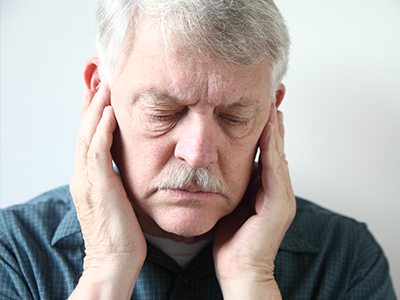
The term "TMJ disorder" describes a range of problems that affect the temporomandibular joint and the muscles that control jaw movement. National data from the National Institute of Dental and Craniofacial Research indicates that millions of Americans experience some form of temporomandibular dysfunction during their lives. These conditions can be intermittent or chronic, mild or debilitating, and they often require a thoughtful, stepwise approach to diagnosis and care.
The temporomandibular joint (TMJ) is actually a paired joint that connects the lower jaw (mandible) to the skull on each side of the face. Each joint contains a small, shock-absorbing disc that sits between the rounded end of the mandible and its corresponding socket in the temporal bone. Muscles, ligaments and tendons work in concert with those joint surfaces to allow complex movements like opening, closing, sliding and rotating the jaw.
Because the TMJ must perform both hinge-like actions and sliding motions, it’s one of the most mechanically complicated joints in the body. That complexity is why symptoms can present in many different ways: problems with the joint itself, inflammation of surrounding tissues, or dysfunction of the muscles that guide jaw motion can all produce similar complaints. A clear understanding of how the joint and surrounding structures operate is essential to developing a rational treatment plan.
When the TMJ or its supporting structures are injured or stressed, the effect is often more than localized pain. Disruption of normal jaw mechanics can change chewing patterns, strain muscles in the head and neck, and sometimes contribute to secondary issues like headaches or ear sensations. Recognizing the joint’s central role in daily activities helps explain why even subtle dysfunction can impact quality of life.
Temporomandibular problems rarely have a single cause; rather, they frequently stem from a mix of mechanical stressors, injury and individual predisposition. Habitual teeth grinding and clenching—especially when it occurs during sleep—places repeated force on the joint and muscles, increasing the likelihood of pain and wear. A direct blow to the jaw or a sudden whiplash-type movement can also set off a cascade of symptoms.
Arthritic changes in the joint, whether from osteoarthritis or inflammatory conditions, can contribute to progressive breakdown of the disc and cartilage surfaces. In many people, stress and tension play a role by increasing muscle tightness around the jaw, which perpetuates pain and limits movement. Dental factors such as a recent change in bite or extensive restorative work can sometimes alter how forces are distributed across the joint, and those changes merit evaluation.
Individual risk varies: some patients recover quickly with conservative measures while others develop longer-term dysfunction. Identifying the risk factors unique to each patient helps clinicians select more targeted therapies and anticipate how symptoms might respond over time.
Jaw discomfort is the hallmark of TMJ disorders, but the full symptom profile can be broader. Patients often report aching or sharp pain around the joint, which may be felt in front of the ear or radiate into the temple. Sounds such as clicking, popping or grinding when opening and closing the mouth are common, and they may accompany brief episodes of the jaw catching or feeling stuck.
Because the jaw is closely linked to structures in the ear and head, some people experience related sensations like ear fullness, ringing (tinnitus) or headaches. It’s not unusual for jaw pain to be accompanied by tightness in the neck and shoulder muscles, or by difficulty chewing and fatigue of the jaw muscles during routine activities. The variety and overlap of these signs is why careful clinical assessment is important.
Patients should seek evaluation when symptoms persist, interfere with sleep or daily activities, or are accompanied by significant limitation of opening, sudden changes in bite, or severe pain. Early assessment improves the chances of managing symptoms effectively with conservative care before more invasive interventions are considered.
A comprehensive evaluation begins with a detailed history and a targeted physical examination. A clinician will ask about the onset and pattern of symptoms, habits such as clenching or gum chewing, previous injuries, and any relevant medical or dental treatments. The physical exam typically includes observation of jaw motion, palpation of muscles for tenderness or spasm, and listening for joint noises during movement.
Diagnostic imaging is used selectively to clarify structural concerns. Plain radiographs, cone-beam CT scans and MRI each provide different information: radiographs and CBCTs are helpful for assessing bony anatomy, while MRI is the preferred tool to visualize the disc and soft tissues. These imaging options are ordered only when the clinical findings suggest they will change the management approach.
Because TMJ disorders can interact with other conditions—such as sleep-related breathing issues, dental occlusion problems, or musculoskeletal pain—evaluation may include collaboration with physical therapists, physicians or specialists when needed. A team-based perspective ensures that care addresses the multiple factors that contribute to each patient’s symptoms.
Most people start with conservative measures designed to reduce pain and restore normal function. Self-care strategies—short-term use of ice or moist heat, avoidance of hard or chewy foods, soft-diet adjustments and gentle jaw stretches—can provide meaningful relief. Stress-management techniques and behavioral changes to reduce clenching or grinding are also central to early treatment.
When additional intervention is needed, oral appliances such as stabilization splints or night guards can protect teeth and reduce abnormal loading of the joint. These devices are custom-made and intended to redistribute forces and allow the muscles and joint tissues to settle. Physical therapy, including manual therapy, posture training and guided exercises, often complements appliance therapy and helps address neck and shoulder contributions to pain.
In situations where conservative care is not sufficient, restorative or orthodontic treatments may be considered to correct underlying bite problems that perpetuate joint strain. Intra-articular injections and other minimally invasive procedures can help control inflammation in selected cases. Surgical options are reserved for well-defined structural problems that fail to respond to less invasive approaches and are recommended only after careful multidisciplinary review.
Every treatment plan is individualized. At Wells Dentistry, we emphasize thorough assessment and evidence-informed therapies, and we work with patients and collaborating providers to choose the least invasive, most appropriate path to symptom improvement and long-term stability.
In summary, TMJ disorders encompass a variety of conditions that can affect jaw function and comfort. Timely assessment, a focus on conservative first-line care, and individualized treatment plans help most patients regain function and reduce pain. If you would like more information about TMJ evaluation or treatment options, please contact us for details and to discuss the next steps.


TMJ disorders describe a group of conditions that affect the temporomandibular joint and the muscles that control jaw movement. These disorders can be intermittent or chronic and range from mild soreness to significant functional limitation. Understanding the joint's anatomy and mechanics is important because symptoms often reflect problems with the joint, the disc, or the surrounding muscles.
Many people experience some form of temporomandibular dysfunction during their lives, and presentations vary widely from person to person. Symptoms can appear suddenly after injury or develop gradually from repetitive stress and parafunctional habits. A careful, individualized assessment helps determine the specific type of TMJ disorder and guide appropriate care.
TMJ disorders are usually multifactorial, meaning several influences combine to produce symptoms. Common contributors include habitual teeth grinding and clenching, trauma to the jaw, and arthritic changes that alter joint surfaces. Psychological stress can increase muscle tension and perpetuate jaw pain, while certain systemic inflammatory conditions may also affect the joint.
Dental factors such as significant changes in bite or extensive restorative work can shift how forces are distributed across the TMJ and sometimes trigger or worsen symptoms. Individual anatomy and previous injuries may make some people more susceptible to dysfunction. Identifying the combination of triggers in each patient allows clinicians to tailor treatment to the underlying drivers.
The hallmark symptom of TMJ disorders is jaw pain, often felt in front of the ear or along the jawline, and sometimes described as aching or sharp. Patients frequently report clicking, popping, or grinding sounds during movement and occasional locking or difficulty opening the mouth fully. Chewing fatigue, a change in bite, and pain that worsens with function are also common complaints.
Because the TMJ is close to structures in the head and neck, related symptoms such as headaches, ear fullness, or neck and shoulder tightness may accompany jaw pain. Persistent or progressive symptoms that interfere with sleep, eating, or daily activities warrant evaluation. Early assessment improves the chance of managing symptoms effectively with conservative care.
You should seek an evaluation when jaw pain or dysfunction persists for more than a few days, interferes with sleep or daily activities, or is accompanied by a sudden change in bite or significant limitation in opening the mouth. Early consultation helps identify reversible causes and allows conservative measures to be started promptly. If symptoms are severe, progressive, or associated with facial trauma, prompt attention is important to rule out acute structural injury.
Routine dental visits are also an opportunity to discuss intermittent jaw symptoms before they become disabling, and the office of Wells Dentistry can provide an initial clinical assessment and coordinate further evaluation if needed. If your provider suspects a complex or systemic issue, they may recommend imaging or collaboration with specialists to ensure a thorough workup.
An evaluation starts with a detailed history that explores symptom onset, patterns, habits such as clenching or gum chewing, previous injuries, and any recent dental work. The physical exam includes observation of jaw range of motion, palpation of the joint and masticatory muscles for tenderness or spasm, and auscultation for joint noises during movement. Clinicians also assess bite alignment and screen for contributing factors such as neck posture or sleep-related breathing issues.
Diagnostic imaging is used selectively and only when it will influence treatment choices; plain radiographs and cone-beam CT provide information about bony anatomy, while MRI is preferred for visualizing the disc and soft tissues. When appropriate, the dentist may coordinate care with physical therapists, ENT specialists, oral surgeons, or sleep medicine providers to address overlapping conditions. This team-based approach helps ensure that all contributing factors are considered.
Conservative care is the first-line approach for most patients and focuses on reducing pain and restoring normal function. Common self-care strategies include short-term use of ice or moist heat, temporarily avoiding hard or chewy foods, adopting a soft diet, and performing gentle jaw-stretching exercises. Behavioral strategies such as stress management, habit reversal for clenching, and improved sleep hygiene are often helpful adjuncts.
Clinician-directed therapies can include physical therapy with manual techniques and posture training, short courses of medication to control inflammation or muscle spasm when appropriate, and custom oral appliances to reduce joint loading. Most patients improve with a combination of these measures, and the treatment plan is adjusted based on response and ongoing reassessment.
Oral appliances, such as stabilization splints or night guards, are custom-made devices designed to protect teeth and reduce abnormal forces on the joint and muscles. These appliances can help redistribute occlusal forces, decrease parafunctional wear, and provide a more comfortable jaw position that allows muscles and soft tissues to relax. They are typically used at night or during high-risk periods and are part of a broader conservative strategy.
Not every patient will benefit from an appliance, and success depends on accurate diagnosis, proper design and fit, and regular follow-up to adjust the device as symptoms change. Appliances are most effective when combined with other therapies such as physical therapy, behavioral changes, and bite assessment when indicated. Your clinician will review goals and expectations before recommending an appliance.
Major changes to occlusion from extensive restorative or orthodontic work can alter the way forces are distributed across the jaw and in some cases contribute to TMJ symptoms. However, causation is often complex and many factors—muscle behavior, previous joint health, and parafunctional habits—also influence outcome. Careful planning and staging of dental procedures can reduce the likelihood of triggering or worsening jaw dysfunction.
When significant dental work is planned, clinicians should evaluate jaw function beforehand and monitor symptoms during and after treatment. If bite-related issues appear to be contributing to pain, restorative adjustments or orthodontic consultation may be part of a comprehensive management plan that seeks to address the root cause while minimizing additional strain on the joint.
Surgery is reserved for a minority of patients who have well-defined structural problems that have not responded to thorough, less invasive treatment. Indications for surgical intervention typically include severe internal derangement, persistent mechanical blockage, or progressive joint degeneration that impairs function. Before recommending surgery, clinicians pursue careful multidisciplinary evaluation and exhaust conservative and minimally invasive options when possible.
When surgery is indicated, options range from arthroscopy and intra-articular injections to open joint procedures depending on the pathology, and each approach carries specific risks and benefits that should be discussed in detail. A thoughtful decision-making process involving oral surgeons, dentists, and other specialists helps ensure the chosen procedure aligns with the patient’s goals and long-term functional needs.
Wells Dentistry emphasizes a patient-centered, evidence-informed approach that begins with a comprehensive history and targeted physical examination to identify contributing factors. Imaging and specialist collaboration are used selectively to clarify structural issues, and treatment plans prioritize conservative, reversible therapies such as self-care strategies, physical therapy, and custom oral appliances. Regular reassessment guides progression to more advanced options only when necessary.
Long-term management focuses on symptom control, functional restoration, and minimizing recurrence through education, habit modification, and coordinated care with local providers as needed. If you have questions about TMJ evaluation or would like to schedule an assessment, our team in Casper can help you understand the options and next steps.

It's time for your check-up!
Scheduling your next visit or getting answers about our comprehensive dental services is simple when you contact Wells Dentistry. Our friendly administrative team is prepared to help you find the perfect appointment time, provide clarity on your treatment plan options, and efficiently manage any billing or insurance questions. We are ready to assist you by phone or via our quick online form. Contact us today and let us partner with you to maintain a healthy, beautiful smile for years to come.