Your smile is a personal signature — it shapes first impressions, supports self-confidence, and plays a meaningful role in how you connect with others. When small flaws in shape, color, or symmetry hold you back, porcelain veneers offer a refined, reliable option for improving appearance while preserving as much natural tooth as possible. Below, we explain how veneers work, who benefits most, what to expect during treatment, and how to care for them so your results last.
Veneers are well suited to people who want to correct visible cosmetic concerns without full orthodontic treatment or more extensive restorative work. They address issues such as persistent discoloration that resists whitening, minor chips and fractures, teeth that appear small or uneven, and small gaps or alignment irregularities that do not require braces. Because veneers focus on the front surface of the tooth, they are especially effective for improving the look of the teeth you show when you smile.
Not everyone is an immediate candidate, and a healthy foundation is essential. Before recommending veneers, a dentist will evaluate gum health, check for decay or bite problems, and consider the overall stability of your teeth. In some cases, preliminary care — such as replacing failing fillings, treating gum disease, or addressing clenching and grinding — is necessary so veneers sit on teeth that are strong and stable.
Veneers are a choice that balances aesthetics and conservation: they can produce dramatic improvements while keeping tooth reduction to a minimum compared with traditional crowns. The ideal candidate is committed to good oral hygiene and realistic about what veneers can change — they enhance shape, color, and proportion, but they are not a substitute for comprehensive orthodontic correction when significant movement is needed.
Contemporary veneers are most often crafted from high-quality dental porcelains that mimic the optical properties of natural enamel. These ceramics transmit and reflect light in much the same way teeth do, giving a lifelike depth and translucency that older materials struggled to achieve. Lab-made porcelain veneers are layered and shaded to match neighboring teeth, which helps them blend seamlessly into your smile.
Fabrication combines digital design and skilled artisanship. Many practices now use digital impressions and computer-aided design to plan the shape and shade, then send detailed specifications to a dental laboratory where technicians hand-layer porcelain for the best aesthetic outcome. This workflow allows precise control over contours, thickness, and color gradations so veneers look individualized rather than “one-size-fits-all.”
The strength of modern porcelain, when bonded correctly, supports everyday function while providing stain resistance superior to natural enamel. Although veneers are thin, their long-term success depends on careful planning, accurate fit, and a high-quality bond between the porcelain and the tooth — factors your dentist will manage during preparation and placement.
Every veneer journey begins with an in-depth consultation. During this visit, your dentist will review your dental history, examine your bite and oral health, and discuss aesthetic priorities. Photographs and digital scans are commonly used to visualize possible outcomes; many practices offer mock-ups or provisional veneers so you can preview changes before any permanent work begins.
When the team proceeds, tooth preparation is typically conservative. A fine layer of enamel is smoothed to create space for the veneer and help ensure a natural contour. Precise impressions or digital scans are taken to capture every detail; temporaries may be placed while the lab fabricates the permanent veneers. These temporary restorations help protect teeth and give you a chance to adjust to the new shape and feel.
The final appointment focuses on fit, shade confirmation, and the bonding procedure. The dentist will test and fine-tune each veneer, then clean and condition the tooth surface before using a specialized resin to bond the porcelain in place. Once set, minor adjustments refine the bite and polish the margins. The result is a stable, integrated appearance that should feel comfortable and natural.
One of the appealing aspects of modern veneers is their conservatism: only a thin layer of enamel is modified, which helps preserve the underlying tooth. Because the bonding process relies on a strong interface with enamel, preserving that tissue during preparation both supports the longevity of the veneer and reduces the need for more invasive restorative procedures in the future.
Maintenance is straightforward and aligns with general oral-care principles. Daily brushing with a non-abrasive toothpaste, careful flossing, and regular dental checkups keep veneers and surrounding gums healthy. While porcelain resists staining, surface stains can collect along margins if oral hygiene lapses, so professional cleanings remain important. If you grind your teeth or participate in contact sports, your dentist may recommend a night guard or protective appliance to reduce the risk of chipping or excessive wear.
Minor damage can often be repaired, but in some situations replacement may be the best option. Regular visits allow your dental team to monitor the integrity of veneers, the condition of the adhesive margin, and your bite — early detection of issues helps preserve both the restorations and your natural teeth over time.
Beautiful veneer results depend as much on artistic judgment as on technical skill. Proportion, tooth length, symmetry, and how the teeth frame the lips and face are all considered during planning. A thoughtful approach prioritizes harmony over uniformity: the goal is a smile that looks authentic for your age, facial features, and personal style rather than an exaggerated “perfect” set of teeth.
Patient input is central to the design process. Discussing preferences about shade, brightness, and tooth shape helps the team create a customized plan. Your dentist will explain trade-offs — for example, a very bright shade may draw more attention but may also be less natural in certain facial contexts — and will guide choices that balance aesthetics with long-term realism.
At Wells Dentistry, our focus is creating outcomes that make people feel confident and comfortable. We combine careful planning, digital tools, and lab collaboration to arrive at results that are both durable and naturally beautiful. If you’re considering veneers, a consultation will help determine whether they align with your goals and how they fit into a broader plan for lasting oral health.
To learn more about whether veneers are right for you, please contact us for additional information. Our team is happy to explain the process and walk you through the options so you can make an informed decision about your smile.


Porcelain veneers are thin, custom shells of ceramic that cover the front surface of teeth to improve shape, color and symmetry. They are designed to correct cosmetic concerns such as discoloration, minor chips, uneven edges and small gaps without extensive restorative work. When bonded to prepared enamel, veneers transform the visible appearance of teeth while preserving most of the natural structure.
The process relies on a precise bond between ceramic and tooth, which secures the veneer and restores a natural-looking surface. Because veneers are fabricated to mimic enamel translucency and shading, they blend with adjacent teeth for a lifelike result. Their thin profile often allows for conservative tooth preparation compared with full crowns.
Ideal candidates are patients who want to address front-tooth cosmetic issues without orthodontics or full-coverage restorations. Common indications include teeth that resist whitening, small chips, mild spacing problems and teeth that appear short or uneven. Candidates should have healthy gums, controlled decay and a stable bite to support long-term success.
A discussion with your dentist will clarify whether veneers match your goals or if alternatives such as orthodontics or crowns are more appropriate. Patients who grind their teeth might need a night guard or other measures before veneers are placed to reduce the risk of future damage. Commitment to daily oral hygiene and regular dental visits is important for good outcomes.
Modern veneers are most often made from high-quality dental porcelains and other advanced ceramics that replicate the optical properties of natural enamel. These materials transmit and reflect light in ways that provide depth and translucency, which helps veneers appear natural under varied lighting. Laboratory technicians layer and shade the ceramics to match neighboring teeth for a seamless integration.
Digital design tools and precise impressions guide the fabrication process so technicians can refine contours and thickness for individual faces and smiles. When properly bonded, these ceramics offer excellent stain resistance and functional strength suitable for normal biting forces. Long-term success depends on accurate fit, high-quality materials and careful bonding techniques performed by your dental team.
The treatment typically begins with a comprehensive consultation, dental exam and discussion of aesthetic goals. At the office of Wells Dentistry, photographs, digital scans and mock-ups are commonly used to preview proposed changes and set realistic expectations. This planning phase lets the dentist and patient agree on tooth shape, proportion and shade before any tooth alteration begins.
When proceeding, a conservative amount of enamel is smoothed to create space for the veneers, and precise impressions or digital scans are captured for the lab. Temporary veneers may be placed to protect prepared teeth and allow the patient to evaluate the form and feel while the permanent restorations are crafted. At the final appointment each veneer is tried in, adjusted for fit and shade, then bonded with a specialized resin and polished to complete the transformation.
Veneers preserve more natural tooth structure than crowns because they cover only the front surface and require minimal enamel reduction. This conservative approach helps maintain tooth strength and reduces the need for more invasive procedures down the road. Preserving enamel also supports strong bonding, which is a key factor in the longevity of the restoration.
Crowns replace the entire visible portion of the tooth and are reserved for cases with extensive decay, fracture or weakened structure, while veneers are chosen primarily for cosmetic concerns. Your dentist will evaluate whether a veneer can achieve the desired aesthetic result without compromising tooth health or whether a crown provides necessary protection. Ongoing maintenance and monitoring ensure any future restorative needs are detected early and managed appropriately.
Daily care for veneers follows the same principles as natural teeth: gentle brushing with a nonabrasive toothpaste, careful flossing and routine dental checkups. Avoiding abrasive whitening pastes and aggressive brushing techniques helps protect the porcelain and adhesive margins. Regular professional cleanings remove plaque and help the team monitor the veneer-tooth interface for staining or marginal breakdown.
Patients who clench or grind should consider a custom night guard to limit wear and reduce the risk of chipping. It is also wise to avoid using teeth as tools and to wear a sports mouthguard for contact activities to prevent accidental damage. Prompt attention to any chips, sensitivity or changes in fit allows for conservative repairs that extend the life of your veneers.
A natural-looking veneer result depends on thoughtful design that considers tooth proportion, length, symmetry and how the smile complements the face. Rather than creating identical teeth, the goal is to achieve harmony that looks appropriate for the patient’s age and features. Patient input on shade, brightness and tooth shape is an important part of crafting a personalized outcome.
Digital mock-ups and provisional veneers give patients a chance to preview the proposed changes and provide feedback before the final porcelain is made. Skilled lab artistry then refines shading and translucency so the restorations blend seamlessly with adjacent teeth. This collaborative process produces results that feel authentic and comfortable in everyday situations.
Minor chips or surface defects in porcelain veneers can often be smoothed or repaired with a tooth-colored composite material to restore appearance and function. The feasibility of a repair depends on the location and extent of damage as well as the condition of the adhesive bond. Your dentist will assess whether a conservative repair is appropriate or whether replacement offers a more predictable long-term solution.
If replacement is necessary, care is taken to protect underlying tooth structure and to recreate the desired aesthetic with a new restoration. Regular evaluations during routine checkups allow the dental team to spot early wear and recommend timely interventions. Using protective appliances and addressing parafunctional habits can reduce the likelihood of future damage and preserve your investment in the smile.
Veneer longevity varies with material quality, oral hygiene, bite forces and lifestyle habits, so outcomes differ among patients. High-quality porcelains with proper bonding can provide many years of service when cared for appropriately. Factors such as grinding, poor oral hygiene or repeated trauma can shorten the lifespan of a restoration.
Routine dental visits allow the team to monitor margins, detect early wear and recommend protective measures that extend durability. Adopting conservative habits like avoiding hard foods and wearing a night guard if needed contributes to longer-lasting results. When maintained, veneers often remain a reliable cosmetic solution that preserves the appearance and function of the front teeth.
Deciding between veneers and other options begins with clarifying your aesthetic goals, functional needs and the current condition of your teeth. Orthodontics may be preferable when significant tooth movement is needed, while crowns are indicated for teeth with extensive structural damage. Conservative veneers are ideal for reshaping, masking discoloration and improving symmetry when teeth are otherwise healthy.
A consultation with your dentist helps determine the best pathway for your smile and outlines any preparatory steps such as treating gum disease or restoring decay. If you would like to explore veneers further, Wells Dentistry in Casper, WY offers comprehensive exams, digital planning and personalized treatment discussions to help you make an informed decision. This collaborative evaluation ensures the final plan balances aesthetics, function and long-term oral health.
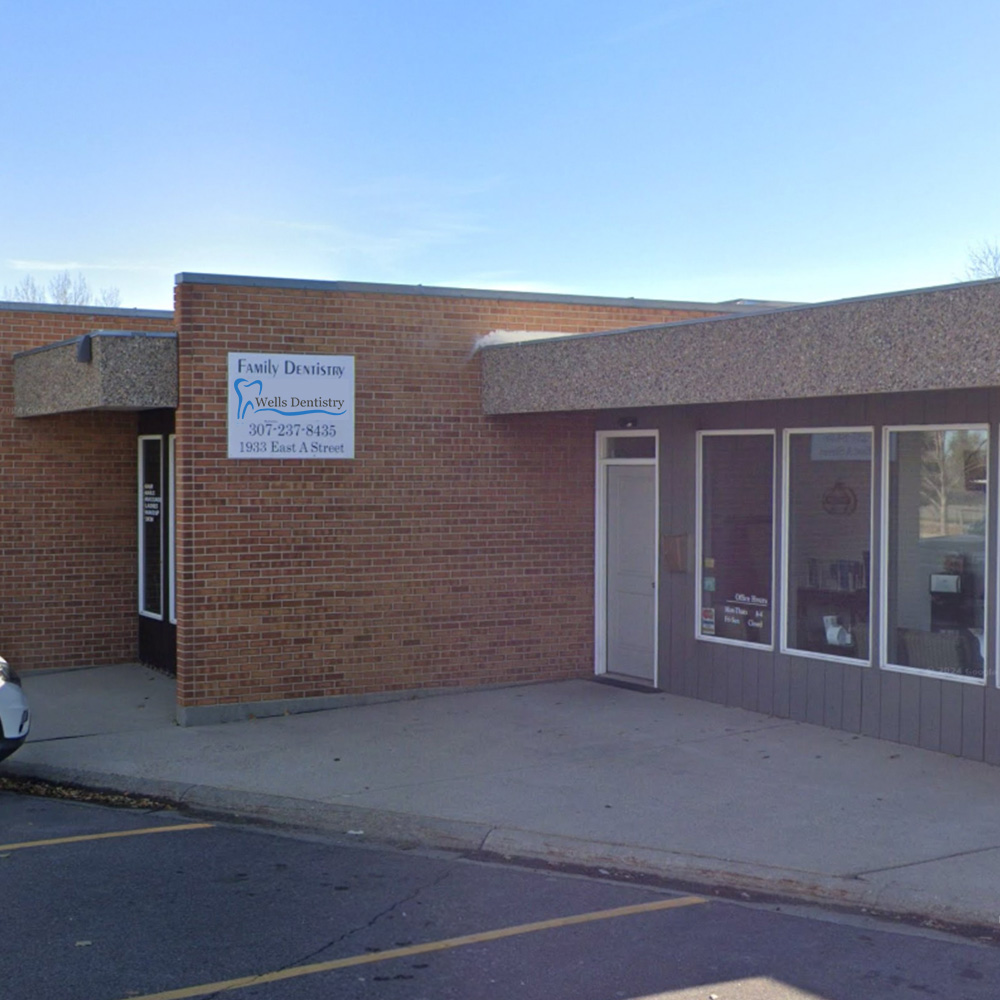
It's time for your check-up!
Scheduling your next visit or getting answers about our comprehensive dental services is simple when you contact Wells Dentistry. Our friendly administrative team is prepared to help you find the perfect appointment time, provide clarity on your treatment plan options, and efficiently manage any billing or insurance questions. We are ready to assist you by phone or via our quick online form. Contact us today and let us partner with you to maintain a healthy, beautiful smile for years to come.